
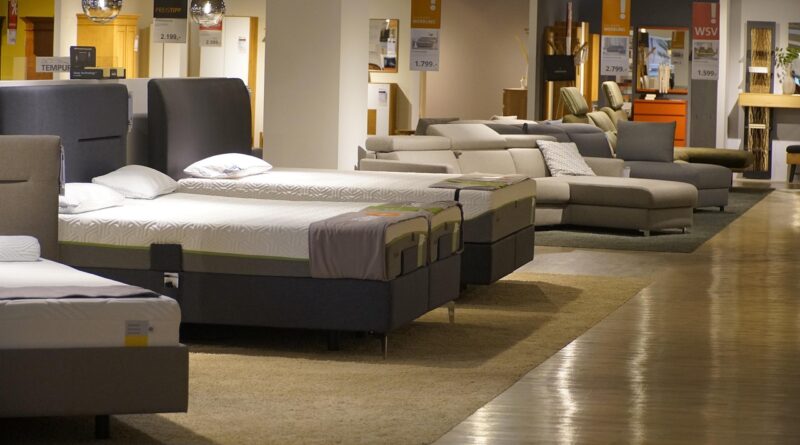
How to choose furniture and decor stores for a well-designed home
Start with the right kind of store for the room you are designing
Choosing among furniture and decor stores is not just a matter of finding the most attractive showroom. The store needs to fit the design problem. A family-room sofa, a dining table for a narrow apartment, a vintage mirror and a full-home furnishing plan all call for different service levels, documentation and risk tolerance. A useful shortlist compares style, scale, material transparency, delivery terms and after-sale support before price. For more design-focused ideas across furnishings, finishes and room styling, visit the Furniture & Decor section.
The furniture market is now highly hybrid. Buyers browse online, test key pieces in person where possible and expect clearer information on materials, safety and returns. Industry data from Statista has placed U.S. furniture and homeware e-commerce at roughly $120 billion in 2023, which helps explain why online catalogs have become central even for brands with physical showrooms. Still, furniture is tactile, heavy and expensive to return. The safest buying process combines digital research with careful verification.

The main types of furniture and decor stores
Most shoppers use the phrase furniture and decor stores broadly, but the category covers several business models. Knowing the differences helps avoid mismatched expectations.
Full-line furniture retailers
Full-line retailers carry broad assortments for living rooms, bedrooms, dining rooms, home offices and accent areas. They are useful when a buyer wants coordinated pieces, predictable delivery windows and financing options. The trade-off is sameness: collections are often designed for broad market appeal, so a room can feel generic if every item comes from the same line. These stores are strongest for foundational pieces such as sofas, bed frames, dining sets and storage systems.
Design showrooms and trade-oriented stores
Showrooms usually offer more curated brands, custom upholstery, wider fabric choices and staff who understand scale, finish coordination and lead times. Some are open to the public, while others work through interior designers. They can be the better option for long-life pieces, unusual room dimensions or projects where architecture, lighting and furnishings need to work together. The trade-off is typically longer lead times and higher prices, especially for made-to-order items.
Vintage, antique and resale sources
Vintage and resale stores add character and can reduce environmental impact by keeping existing pieces in use. They are especially useful for accent chairs, side tables, mirrors, art, ceramics and solid-wood case goods. The main limitation is uncertainty. Dimensions, condition, odors, repairs and return policies need careful checking. Buyers should be especially cautious with upholstered items because internal condition is harder to evaluate.
Online marketplaces and direct-to-consumer brands
Online-first stores make comparison easy and often provide extensive photography, dimensions and reviews. They can be efficient for decor, lighting, rugs, flat-pack furniture and replacement pieces. However, photos can hide scale, fabric feel and finish variation. A generous return policy is not always a practical return policy if the buyer must repack a large item or pay freight charges.
A practical comparison framework
A good store comparison looks beyond style. Before placing an order, compare the same six factors for each candidate store.
| Evaluation point | Why it matters | What to check |
|---|---|---|
| Assortment fit | The store should match the room type, budget and design direction. | Look for enough options in the correct size, finish and category. |
| Material clarity | Furniture descriptions can sound appealing without explaining construction. | Check wood species, veneer, composite wood, cushion fill, fabric content and finish. |
| Scale information | Many furniture mistakes are proportion mistakes. | Confirm overall dimensions, seat height, arm height, depth and clearance needs. |
| Delivery terms | Large furniture is costly to move and return. | Compare threshold delivery, white-glove delivery, assembly and old-item removal. |
| Return policy | Return windows vary widely, especially for custom items. | Read exclusions for opened items, clearance products, rugs, mattresses and made-to-order pieces. |
| After-sale support | Replacement parts and warranty handling affect long-term value. | Check warranty length, claim process, spare legs, hardware and fabric-care guidance. |
This framework also helps compare a local showroom with a national online retailer. A lower sticker price may not be lower overall if freight, assembly, return shipping or short warranty coverage shifts risk to the buyer.
Material, safety and labeling details to verify
Furniture becomes part of the built environment inside a home, so material and safety checks should be treated as design decisions, not just paperwork. In the United States, three areas deserve particular attention.
First, composite wood products used in furniture, cabinets, shelving and similar goods are subject to formaldehyde emission rules under TSCA Title VI. The U.S. Environmental Protection Agency says regulated composite wood panels and finished products containing those panels had to be certified as compliant by June 1, 2018. For shoppers, this means product pages and labels should be able to identify TSCA Title VI compliance when composite wood is involved.
Second, clothing storage furniture such as dressers and chests has a specific safety history. The U.S. Consumer Product Safety Commission announced a mandatory standard under the federal STURDY law, with the final rule effective September 1, 2023. Buyers should look for anti-tip hardware, installation instructions and evidence that a dresser or chest meets applicable stability requirements, especially in homes with children.
Third, origin claims should be read carefully. The Federal Trade Commission requires marketers that make unqualified U.S.-origin claims to meet the agency’s “all or virtually all” standard. A store may sell American-made, imported and mixed-origin products in the same catalog, so the claim should apply to a specific product rather than the brand as a whole.
These checks do not replace design judgment, but they help separate a well-documented product from a vague listing. If a store cannot provide basic construction, compliance or care information, treat that uncertainty as part of the price.
Online research versus in-store testing
Online research is best for narrowing the field. It lets buyers compare dimensions, finishes, reviews, delivery costs and similar products quickly. It also works well for decor categories where tactile performance is less critical, such as wall art, vases, small lighting, side tables and occasional accessories. See also: Building Styles.
In-store testing still matters for pieces that carry the body or define comfort in a room. Sofas, lounge chairs, dining chairs, mattresses and desks should be evaluated for height, depth, posture and support whenever possible. A sofa that looks tailored online may sit too low, feel too firm or overwhelm a room once its depth is measured against circulation space.
The most practical approach is sequential. Start online by saving products that meet size, budget and style requirements. Then test the highest-risk pieces in person, order fabric or finish samples and use painter’s tape to mark dimensions on the floor. If the store is online-only, reduce risk by ordering swatches, reading the freight policy and confirming whether returns require original packaging.
How to build a shortlist without turning it into a ranking
For most homes, a shortlist of three to five stores is enough. More options often add confusion without improving the finished room. Start with the function of the space: hosting, storage, daily work, relaxation or display. Then decide which pieces need durability and which can be more decorative or experimental.
Use one store for the most demanding anchor item, such as the sofa, bed or dining table. Use another for accents that add texture, contrast and personality. If the room needs warmth, vintage or artisan pieces can prevent a catalog-like look. If the room needs calm, a single-store collection may help maintain consistent finishes and proportions.
Budget should be allocated by use rather than by item count. A frequently used sofa deserves more scrutiny than a decorative side table. A dining chair used every day should be tested more carefully than a sculptural stool in a corner. This is where store choice affects design quality: the right store for an anchor piece may not be the right store for accessories.
Common buying mistakes that raise the final cost
- Ignoring measurements: Always check doorways, stair turns, elevator dimensions and room circulation before ordering large furniture.
- Buying sets too literally: Matching collections can be convenient, but mixing materials and periods often creates a more layered room.
- Overlooking lead times: Custom upholstery, imported goods and made-to-order finishes can take weeks or months.
- Assuming returns are easy: Large-item returns may involve restocking fees, freight charges or packaging requirements.
- Choosing trend over architecture: A fashionable color or silhouette should still relate to ceiling height, light, flooring and existing millwork.
The most reliable furniture and decor stores make these issues visible before checkout. Clear dimensions, realistic photography, care instructions and plain-language policies are signs that the store understands how furniture actually lives inside a home.
Frequently asked questions
What should I check first when comparing furniture and decor stores?
Start with fit for purpose. Identify the room, the anchor pieces, the required dimensions and the level of durability needed. Then compare stores by material transparency, delivery terms, return policy and support rather than style alone.
Are online furniture stores reliable for major pieces?
They can be, but the risk is higher for seating, mattresses and large case goods because comfort, finish and scale are difficult to judge from photos. Look for complete dimensions, swatches, detailed reviews, clear freight terms and a realistic return process.
When is a showroom worth the higher price?
A showroom is often worth it for custom upholstery, unusually sized rooms, long-life investment pieces or projects where finishes must coordinate with architecture. Staff guidance, fabric options and product documentation can reduce costly mistakes.
How many furniture stores should I use for one room?
Most rooms benefit from two or three sources: one for anchor furniture, one for decor or lighting and possibly one vintage or artisan source for character. Too many stores can make finishes and proportions feel disconnected.
What safety details matter most for storage furniture?
For dressers, chests and other clothing storage units, check stability information, anti-tip hardware and installation instructions. In the United States, the CPSC standard under the STURDY law has been effective since September 1, 2023, so current products should be evaluated with that safety context in mind.