
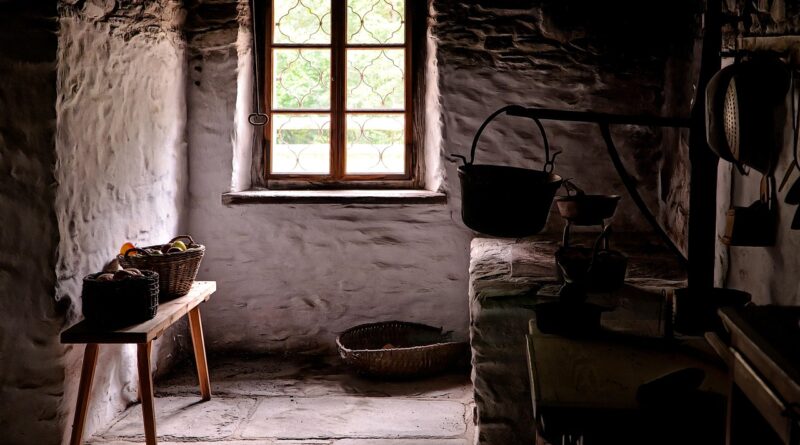
Modern cottage interior ideas for a warm and practical home
What modern cottage interior means today
A modern cottage interior is not about filling a room with floral prints, distressed signs, and decorative clutter. It is a more edited version of cottage style: warm, tactile, compact, and livable, with modern proportions and better planning. The aim is to keep the softness people expect from a cottage while improving light, storage, durability, and everyday function.
For readers browsing Home & Interior ideas, the main question is usually practical: how do you create a cottage feeling without making the space look old-fashioned? The answer is balance. Use natural materials, warm neutrals, vintage character, and layered textiles, then offset them with simple silhouettes, uncluttered surfaces, and functional lighting.

The design balance that separates modern cottage from cottagecore
Modern cottage style and cottagecore overlap, but they are not the same. Cottagecore often leans romantic, nostalgic, and decorative. Modern cottage is more architectural and restrained. It allows patina, wood grain, linen, handmade ceramics, and garden references, but it avoids over-layering. A good modern cottage room should feel collected, not staged.
Recent design reporting points in the same direction. Houzz has described modern cottage style as an approach that combines natural materials, soft tones, and a stronger link to the outdoors while avoiding fussier traditional details. NAHB has also highlighted warm neutral interiors, natural wood finishes, cream and brown tones, and a more comfortable cottage feeling among design directions associated with 2026 housing trends. Both sources reflect a broader preference for interiors that feel warm without becoming visually crowded.
A simple way to manage the style is to think in three layers: the architectural shell, the main furniture, and the decorative accents. The shell should be simple and durable. The furniture should be comfortable without becoming bulky. The accents should add memory and texture without filling every surface.
- Modern elements: clean-lined sofas, plain-front storage, matte hardware, simple lighting, open circulation, and fewer visual interruptions.
- Cottage elements: exposed wood, soft textiles, handmade objects, vintage tables, woven baskets, skirted details, and garden-inspired colors.
- The editing rule: if a room already has rustic beams, choose quieter furniture; if the architecture is plain, add warmth through textiles and vintage pieces.
Choose a warm, natural color palette
Color is where many modern cottage interiors either come together or start to feel forced. Bright white can look clean, but in a cottage setting it may also feel thin or unfinished. A heavily saturated palette can be charming in a photograph yet tiring in daily use. A safer foundation is a warm neutral base with muted, natural accents.
Useful base colors include chalky white, soft cream, oatmeal, mushroom, light taupe, warm gray, clay, and muted beige. These shades sit well with wood, stone, brass, blackened metal, and off-white textiles. They also help smaller rooms feel lighter without losing comfort.
Accent colors should feel as if they could exist outdoors. Sage, olive, faded blue, smoky green, ochre, dusty rose, and deep brown all fit the modern cottage interior language. The key is restraint. A living room might use cream walls, an oak coffee table, a beige linen sofa, and sage cushions. A bedroom might pair warm white walls with a dark wood dresser, striped bedding, and one floral textile.
Design industry sources are also moving toward warmer finishes. NKBA | KBIS reported in its 2026 Kitchen Trends Report, released in September 2025, that organic and neutral colors remain important in kitchens, while natural materials are gaining attention. That matters because kitchen finishes often set the palette for adjacent living and dining spaces in open or semi-open cottage plans.
| Design choice | Modern cottage direction | What to avoid |
|---|---|---|
| Walls | Warm white, cream, limewash effect, pale taupe | Cold blue-white that makes wood look orange |
| Wood tones | Oak, pine, walnut, reclaimed boards, visible grain | Too many competing stains in one room |
| Accents | Sage, clay, ochre, muted blue, deep brown | High-contrast novelty colors used everywhere |
| Metal finishes | Aged brass, bronze, iron, soft nickel | Shiny finishes that fight the softness of the room |
Use natural materials, but keep the lines clean
Material choice gives modern cottage design its substance. Wood, stone, linen, wool, cotton, rattan, ceramic, plaster, and aged metal all create the tactile quality associated with cottages. The modern part comes from restraint: plain cabinet profiles, slimmer furniture legs, fewer carved details, and finishes that have room to breathe.
In kitchens, the shift toward wood is especially relevant. NKBA | KBIS reported that wood grain surpassed painted cabinets among surveyed kitchen professionals for its growth in popularity, with white oak identified as a leading wood type. That does not mean every cottage kitchen needs white oak cabinets. It does suggest that visible grain, warmer cabinetry, and less sterile finishes are aligned with current kitchen design preferences.
For floors, wide-plank wood, engineered wood, limestone-look tile, brick, and matte stone can all work. In older cottages, existing floors may already provide enough character, so refinishing may be more appropriate than replacing. In newer homes, a warm wood floor can make a plain white box feel more grounded. Rugs then soften acoustics and add seasonal comfort.
Textiles should look touchable rather than polished. Linen curtains, wool throws, cotton slipcovers, ticking stripes, nubby cushions, and flatweave rugs bring cottage softness without relying on excessive pattern. If a room feels too rustic, introduce one cleaner piece, such as a plain stone-topped table or a simple black metal floor lamp. If it feels too modern, add one handmade or vintage item with visible age.
Plan lighting before adding decoration
Cottage interiors often have smaller windows, lower ceilings, or rooms divided by older floor plans. In that context, lighting is more than decoration. A modern cottage interior needs layered lighting that supports daily tasks while keeping the atmosphere soft at night.
Start with natural light. Avoid blocking windows with heavy treatments unless privacy or insulation requires them. Linen, cotton, Roman shades, cafe curtains, and woven shades can soften light without making rooms feel closed. Mirrors placed opposite or near windows can help move daylight through darker spaces, but they should be used sparingly and in proportion to the room.
Then build in three artificial lighting layers. Ambient lighting provides general light, task lighting supports reading, cooking, grooming, or desk work, and accent lighting adds atmosphere. NKBA | KBIS reported that homeowners placed high importance on natural lighting, quality lighting, and task lighting in kitchen planning, with under-cabinet lighting, interior cabinet lighting, and pendant lighting among notable preferences. Although that data focuses on kitchens, the same planning logic applies throughout a cottage home: a cozy room still needs usable light.
- Living room: combine a ceiling fixture or discreet recessed lighting with table lamps, a reading lamp, and a dimmer.
- Kitchen: use under-cabinet lighting for worktops, simple pendants over an island or table, and warmer bulbs for evening use.
- Bedroom: choose wall lights or small lamps for bedside reading, then keep overhead lighting soft and dimmable.
- Entry: use a flush mount or lantern-style fixture with a small table lamp if space allows.
Bulb temperature also matters. Very cool light can make cream walls look flat and timber feel harsh. Warm white light generally supports the cottage mood better, especially in living rooms and bedrooms.
Make small rooms feel useful, not crowded
Many cottages and cottage-inspired homes have compact rooms, sloped ceilings, narrow entries, or limited storage. Modern cottage design should not try to hide these constraints. It should solve them neatly, using fitted storage, furniture with lighter profiles, and fewer, better-chosen objects.
Built-in benches, wall hooks, shallow cabinets, window seats, banquettes, and under-stair storage suit the style because they feel architectural rather than temporary. A mudroom or entry does not need to be large to work well. A peg rail, a washable runner, a closed shoe cabinet, and a small bench can create a practical transition zone without adding visual clutter. See also: Building Styles.
Furniture scale is just as important. A deep roll-arm sofa may look inviting, but it can overwhelm a small sitting room. A cleaner sofa with loose cushions, a compact armchair, and nesting tables may provide similar comfort with better circulation. In dining areas, a built-in bench can save space compared with chairs on all sides. In bedrooms, wall-mounted lights can free bedside surfaces.
The modern cottage approach also values negative space. Not every corner needs a basket, plant, or stool. Leaving part of a wall empty can make vintage pieces feel more intentional. Open shelving should be edited carefully: display everyday ceramics, glassware, or books, but avoid turning shelves into another storage problem.
Add vintage character without making the room feel dated
Vintage pieces are useful in a modern cottage interior because they stop the room from looking ordered from a single catalog. Too many aged items, however, can make a home feel heavy. The solution is contrast. Pair a vintage pine dresser with a simple mirror. Place antique chairs around a cleaner table. Use an old trunk as a coffee table only if the seating and lighting around it feel fresh.
One strong vintage piece per zone is often enough. In a living room, that might be a weathered sideboard. In a kitchen, it could be a freestanding hutch. In a bedroom, it might be a painted nightstand or an inherited quilt. These items introduce irregularity and memory, but the surrounding choices should give them space.
Pattern needs the same level of control. Gingham, ticking stripes, small florals, checks, and block prints all belong in the cottage vocabulary. For a modern version, use them in limited doses: cushions, a Roman shade, a lampshade, bedding, or one upholstered chair. Pattern mixing works best when the palette is controlled and the scale varies. A narrow stripe, a small floral, and a plain linen can sit together more comfortably than three bold patterns competing for attention.
Design with comfort, durability, and indoor health in mind
A cottage interior should feel comfortable, but comfort is not only visual. It also involves air quality, moisture control, maintenance, and the durability of finishes. This is especially important in older homes, cabins, coastal cottages, and properties with crawlspaces, basements, or seasonal humidity changes.
The U.S. Environmental Protection Agency emphasizes three broad strategies for indoor air quality: controlling pollutant sources, providing adequate ventilation, and using air cleaning or filtration when appropriate. EPA guidance also advises controlling moisture and keeping indoor humidity below 60 percent, with 30 to 50 percent described as an ideal range. For interior design decisions, that means material selection and ventilation should be considered alongside color and furniture.
When renovating, be cautious with old paint, asbestos-containing materials, damp walls, musty flooring, and poorly ventilated rooms. New cabinetry, flooring, paints, adhesives, and finishes may also affect indoor air quality, so low-emitting products and proper ventilation during installation are practical choices. A beautiful cottage kitchen is not successful if it traps moisture or becomes difficult to maintain.
Durability should guide purchases as much as style. Choose washable slipcovers where children, pets, or rental use are factors. Use sealed stone or durable composite surfaces in kitchens if porous materials are likely to stain. Select rugs that can be cleaned. Prefer hardware and lighting finishes that can age naturally rather than finishes that look worn out after a few years.
A room-by-room starting plan
Because modern cottage design depends on balance, it helps to give each room a clear priority. The following plan keeps the look coherent without making every space identical.
- Living room: start with a comfortable sofa in linen, cotton, or textured upholstery. Add a wood coffee table, one vintage storage piece, layered lamps, and a rug with a muted pattern.
- Kitchen: consider wood grain, warm painted cabinetry, simple hardware, open shelves used sparingly, and lighting that supports both cooking and dining.
- Dining area: use a sturdy table, mixed seating if appropriate, a pendant with a soft shape, and textiles that reduce echo.
- Bedroom: keep the palette quiet. Use layered bedding, a vintage dresser or bedside table, wall lights, and curtains that frame the window softly.
- Bathroom: combine simple tile, warm metal finishes, useful storage, and one cottage detail such as a framed mirror, beadboard, or a small patterned textile.
- Entry or mudroom: prioritize hooks, closed storage, a durable floor, a washable runner, and a place to sit.
The result should feel personal rather than formulaic. Modern cottage interiors work best when they respond to the home’s actual architecture, climate, and daily routines. A coastal cottage may need lighter colors and moisture-resistant materials. A mountain cottage may carry deeper wood tones and heavier textiles. A suburban cottage-inspired home may need architectural details, such as trim, built-ins, or warmer flooring, to create the same sense of character.
Frequently asked questions
What is the difference between modern cottage and farmhouse style?
Farmhouse style often emphasizes practical rural references, larger-scale furniture, barn-inspired details, and high-contrast black and white palettes. Modern cottage interiors are usually softer, smaller in scale, more layered, and more connected to gardens, natural textiles, and vintage domestic pieces.
Can modern cottage style work in a new-build home?
Yes. In a new-build home, the key is to add warmth through materials and architectural details rather than clutter. Wood flooring, simple trim, warm neutral paint, built-in storage, linen curtains, vintage furniture, and layered lighting can make a new space feel more settled.
What colors work best for a modern cottage interior?
Warm whites, creams, taupes, soft browns, muted greens, clay, ochre, and faded blue work especially well. The palette should feel natural and slightly softened, with enough contrast from wood, metal, or stone to keep the room from looking flat.
How do you keep cottage decor from feeling cluttered?
Limit decorative objects, repeat materials, and create closed storage for everyday items. Use vintage pieces as focal points rather than filling every surface. A modern cottage room should have texture and memory, but it still needs open space and clear circulation.