
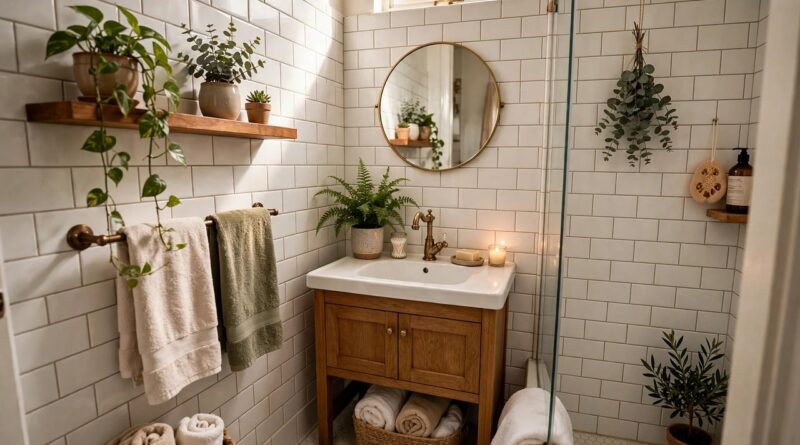
Modern rustic interior ideas for a warm and refined home
A modern rustic interior is not just a farmhouse room with black windows, or a minimalist space with a timber coffee table. The style works when two ideas are held in balance: the order and clarity of modern design, and the tactile warmth of rustic materials. That usually means simple shapes, edited rooms, honest surfaces, visible grain, stone texture, woven textiles, and lighting that feels soft rather than decorative for its own sake.
Recent interior design reporting from sources such as NKBA, Houzz, and Architectural Digest has continued to highlight warm neutrals, natural woods, layered finishes, and nature-informed materials. That helps explain why modern rustic design remains useful beyond short trend cycles.

For readers following broader residential design ideas, Archithaus covers related inspiration in its Home & Interior section. The guide below focuses on practical decisions: palette, materials, furniture, lighting, room planning, and common mistakes.
What modern rustic interior design really means
Modern rustic design is a hybrid interior language. The modern side gives a room clarity: fewer objects, strong lines, open circulation, low visual clutter, and functional layouts. The rustic side adds memory and tactility through natural wood, stone, handmade ceramics, linen, leather, wool, patinated metal, limewash-style finishes, and objects that look touched by time.
The goal is not to recreate a cabin in every home. In an apartment, suburban house, or renovated townhouse, modern rustic design can come through proportion and material choice rather than literal barn details. A plaster-like wall finish, oak dining table, matte black reading lamp, and linen sofa may be enough to set the tone without distressed signs, faux antiques, or heavy decorative beams.
The most successful rooms usually share four qualities:
- Restraint: The room has breathing space and does not depend on excessive accessories.
- Material honesty: Wood, stone, metal, and textiles are allowed to show texture instead of being polished into anonymity.
- Warmth: The palette favors earth tones, soft whites, clay, sand, tobacco, charcoal, warm gray, olive, and muted brown.
- Contrast: Smooth modern surfaces sit beside rougher or more tactile elements, so the design feels layered rather than flat.
The modern rustic palette starts with warm restraint
Color is one of the easiest ways to keep the style current. Older rustic interiors often leaned on orange-toned wood, dark brown leather, and deep red accents. A modern rustic interior is usually quieter. It uses color the way architecture uses shadow: to create depth, not noise.
Start with a base of warm whites, oatmeal, greige, mushroom, pale clay, or stone. Then bring in deeper grounding colors through wood, upholstery, rugs, cabinetry, or metalwork. Greens, muted blues, warm blacks, and earthy browns can all work when they are used as accents rather than scattered across every surface.
Design trend research from NKBA in recent kitchen reports has emphasized warm neutrals, natural wood tones, lighter woods, and earth-influenced colors in residential spaces. That aligns well with modern rustic design because the style depends less on bright decoration and more on durable, natural-looking combinations.
| Element | Modern choice | Rustic choice | Modern rustic balance |
|---|---|---|---|
| Wall color | Clean white or pale gray | Deep cream or aged plaster | Warm white, limewash effect, soft greige, or pale clay |
| Wood tone | Smooth pale oak or walnut | Reclaimed pine or rough beams | Oak, ash, walnut, or reclaimed wood used selectively |
| Metal finish | Polished chrome or black steel | Iron, bronze, aged brass | Matte black, oil-rubbed bronze, brushed brass, or darkened steel |
| Textiles | Plain cotton or performance fabric | Wool, linen, hide, woven textiles | Linen, wool, bouclé, cotton canvas, and natural-fiber rugs |
| Decor | Minimal sculptural pieces | Vintage objects and handmade items | Edited ceramics, baskets, books, vessels, and found pieces |
Materials should carry the character
In modern rustic interiors, materials should do more work than accessories. Instead of filling shelves with themed decor, focus on surfaces that are seen and touched every day. Flooring, cabinetry, wall texture, tabletops, lighting finishes, and upholstery establish the atmosphere before any decorative object is added.
Wood should feel intentional, not random
Wood is central to the style, but too many species or finishes can make a room feel unsettled. Choose one dominant wood tone and one supporting tone if needed. Pale oak flooring can work with walnut chairs, for example, or reclaimed beams can sit above a cleaner white oak kitchen. The key is to repeat tones in a controlled way rather than mixing every available finish.
If the home already has rustic elements, such as ceiling beams, wide plank floors, or a stone fireplace, let those features lead. Modern furniture and simpler lighting can keep the room from feeling heavy. If the home is architecturally plain, introduce rustic character through freestanding pieces: a solid wood dining table, rough-hewn bench, vintage cabinet, or textured wood console.
Stone and plaster add quiet depth
Stone gives modern rustic interiors weight. It can appear as a fireplace surround, kitchen backsplash, bathroom floor, powder room basin, entry flooring, or accent wall. The most timeless applications avoid overly glossy surfaces and extreme patterning. Honed, tumbled, leathered, or matte finishes usually feel more compatible with the style than high-polish stone.
Plaster-like finishes, Roman clay effects, and limewash-inspired paint can also soften modern rooms. They create subtle movement on large wall planes and work especially well in living rooms, bedrooms, and dining spaces where a flat white wall may feel too stark. The effect should be quiet and atmospheric, not artificially aged.
Textiles make the room livable
Texture is what keeps modern rustic design from feeling cold. Linen curtains, wool rugs, woven throws, leather lounge chairs, cotton canvas slipcovers, sheepskin accents, and bouclé upholstery can all contribute. Layer textures at different scales. A chunky rug, fine linen curtain, smooth leather chair, and nubby pillow will feel richer together than four pieces with the same rough weave.
How to build the look room by room
Modern rustic design changes with the function of each room. A kitchen needs durable surfaces and strong task lighting. A bedroom needs softness and calm. A living room needs seating that invites daily use, not just a styled photograph. The principles are consistent, but the emphasis shifts.
Living room
Begin with the largest visual anchors: sofa, rug, coffee table, fireplace, shelving, and window treatments. A clean-lined sofa in linen, cotton, or textured performance fabric can sit comfortably with a reclaimed wood coffee table or stone side table. If the room has a fireplace, avoid overdecorating the mantel. One large artwork, a pair of vessels, or a simple mirror may be stronger than a row of small objects.
Use layered lighting instead of relying on a single ceiling fixture. Floor lamps, table lamps, sconces, and dimmable overhead lighting help the room move from daytime utility to evening warmth. This matters because rustic materials can look flat under harsh light and overly dark without enough controlled illumination.
Kitchen
A modern rustic kitchen should be practical first. Natural wood cabinetry, stone counters, handmade-look tile, warm metal hardware, and open display areas can add warmth, but they need to be balanced with clean storage and easy maintenance. Not every shelf should be open, and not every surface needs texture.
Recent NKBA trend material for 2026 highlighted natural lighting, quality lighting, and task lighting as important considerations in kitchen design. That supports a useful modern rustic principle: atmosphere should not come at the expense of function. Under-cabinet lighting, pendants over work areas, and warmer dimmable evening light can make wood and stone feel inviting while keeping food preparation practical. See also: Building Styles.
Bedroom
The bedroom is where modern rustic design can be at its quietest. Choose a simple bed frame, soft bedding, tactile rug, and understated nightstands. A wood headboard, plaster-effect wall, or vintage bench can add character without overwhelming the space. Avoid too many hard rustic elements near the bed; comfort should remain the priority.
Colors that work especially well include warm white, taupe, sand, muted olive, soft charcoal, and pale terracotta. If the room is small, keep the palette lighter and use texture rather than dark color to create depth.
Bathroom
In a bathroom, modern rustic style depends on the contrast between clean function and natural surface. Consider a floating wood vanity, honed stone floor, zellige-style tile, linen shower curtain, aged brass fittings, or a simple wall-mounted mirror. Moisture matters, however. Use appropriate sealing, ventilation, and water-resistant detailing. A beautiful wood vanity will not feel timeless if it is poorly protected from daily splashes.
Furniture and decor should look collected, not themed
One common mistake is buying every piece from the same rustic furniture collection. That often creates a showroom effect rather than a lived-in interior. Modern rustic rooms feel more convincing when they combine new, vintage, handmade, and architectural pieces.
A balanced furniture plan might include a contemporary sectional, vintage wood trunk, modern iron floor lamp, woven lounge chair, stone side table, and handmade ceramic vessels. The pieces do not need to match, but they should share a restrained palette and compatible scale.
When selecting decor, use fewer and better objects. Good choices include:
- Handmade ceramics in earthy glazes
- Large branches or seasonal greenery in a simple vessel
- Woven baskets used for storage, not just display
- Framed landscape photography or abstract work in muted tones
- Vintage stools, benches, or small cabinets with visible patina
- Books, trays, and candles arranged with space around them
Avoid signs with slogans, excessive faux distressing, synthetic antlers, mass-produced farmhouse props, and overly coordinated sets. These elements can make the design feel less architectural and more like a temporary retail trend.
Lighting is the difference between cozy and heavy
Modern rustic interiors often use darker textures than purely modern spaces. Wood grain, stone, wool, leather, and matte metal absorb light, so lighting strategy is essential. A room can have the right materials and still feel gloomy if the lighting plan is weak.
Think in layers. Ambient lighting gives the whole room a base level of brightness. Task lighting supports reading, cooking, grooming, or working. Accent lighting highlights art, shelving, stone, or architectural texture. Decorative fixtures add personality, but they should not be expected to carry the room on their own.
Warm color temperatures generally support the style better than cool, bluish light. Dimmers are useful because they let the same room feel fresh during the day and intimate in the evening. In kitchens and bathrooms, make sure warmth does not reduce visibility where precision is needed.
Common mistakes to avoid
Modern rustic design looks simple, but it can go wrong when one side of the style overpowers the other. Too much rustic detail can make a home feel heavy or nostalgic. Too much modern restraint can make it feel unfinished. The following mistakes are worth checking during planning.
- Using too many wood tones: Limit the palette and repeat finishes deliberately.
- Overloading the room with texture: Texture needs contrast. Pair rough with smooth and matte with subtle sheen.
- Choosing decor before materials: The style should come from floors, walls, furniture, and lighting first.
- Ignoring scale: Heavy rustic tables, beams, and cabinets can overwhelm low ceilings or compact rooms.
- Making everything brown: Add light neutrals, stone, black accents, muted greens, or soft clay tones to create dimension.
- Forgetting maintenance: Natural stone, unlacquered metals, pale upholstery, and raw wood require realistic care decisions.
The most durable approach is to treat modern rustic design as an editing process. Add warmth where the room feels sterile. Add simplicity where it feels cluttered. Add texture where it feels flat. Remove objects when the room starts to feel staged.
Frequently asked questions
Is modern rustic the same as farmhouse style?
No. Farmhouse style often uses rural references such as apron sinks, shiplap, painted cabinetry, and traditional silhouettes. Modern rustic design can include some of those elements, but it is usually cleaner, quieter, and more material-focused. It relies less on farmhouse motifs and more on the balance between natural texture and modern restraint.
Can modern rustic work in a small apartment?
Yes. In a small apartment, use the style through texture and tone rather than bulky features. A warm neutral wall color, oak or walnut furniture, linen curtains, a wool rug, matte black lighting, and a few handmade objects can create the effect without taking up valuable space.
What colors work best for a modern rustic interior?
Warm whites, greige, oatmeal, clay, taupe, mushroom, olive, charcoal, muted blue, and natural brown are reliable choices. The palette should feel grounded and calm. Bright accent colors can work, but they need to be used sparingly so they do not compete with the natural materials.
How do you keep modern rustic interiors from looking outdated?
Avoid overly themed decor and focus on architectural surfaces, useful furniture, and natural materials. Clean-lined upholstery, simple lighting, edited accessories, and honest wood or stone tend to age better than trend-specific props. If the room feels too rustic, simplify the silhouettes. If it feels too modern, add texture, warmth, and patina.
What is the easiest first step?
Start with lighting and textiles. Replacing cool bulbs with warmer, dimmable lighting and adding a natural-fiber rug, linen curtains, or wool throw can change the mood quickly. From there, introduce one substantial material piece, such as a wood coffee table, stone-topped console, or vintage cabinet.