

Modern home decor ideas for a warmer, more functional home
Modern home decor is moving from cold to livable
Modern home decor is no longer about making every room look empty. The better direction is a warmer form of modernism: clean lines, fewer visual distractions, layered lighting, tactile materials, useful storage and pieces that can adjust as daily routines change. That does not mean every room needs a full renovation. A modern update can start with editing clutter, improving lighting, replacing one dated finish, adding natural texture or choosing furniture with better proportions. The goal is to build rooms that look current while still feeling easy to live in.
What modern home decor means now
Modern interiors have long been associated with open space, minimal ornament and functional furniture. Those ideas still matter, but the current version is softer and more human. Industry signals point toward warmth, natural materials, earthy colors and practical performance rather than a purely white, high-gloss look. Houzz reported in its 2026 summer search insights that interest rose for material terms such as recycled glass countertops and bamboo flooring, while its 2026 fall trend coverage described warmth as more of a foundation than a passing detail. (houzz.com)
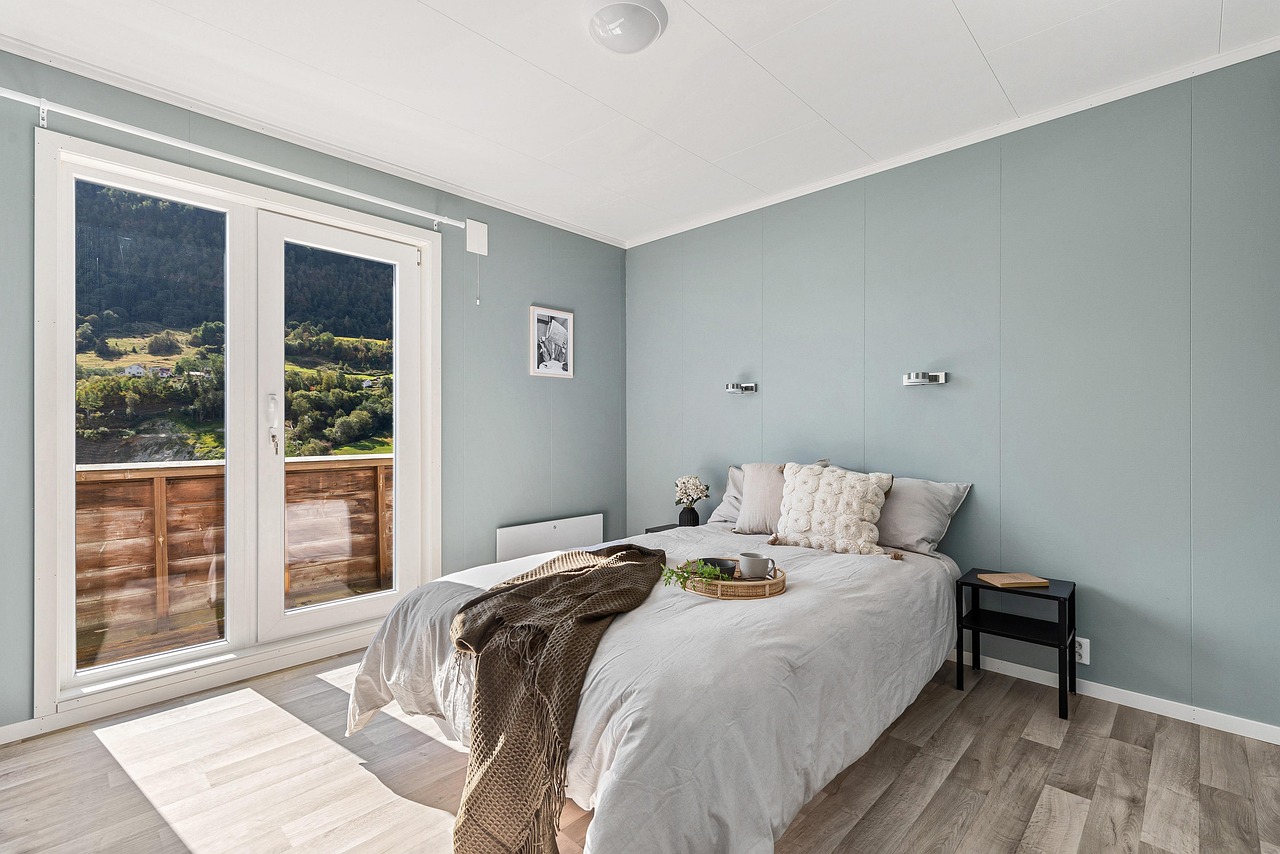
The American Society of Interior Designers also framed recent interior design priorities around wellness, sustainability, technology and cultural storytelling in its 2025 Trends Outlook. For homeowners, that means modern decor can include vintage pieces, regional craft, family objects and textured finishes, as long as the overall composition remains edited and intentional. (asid.org)
Clean lines without sterility
A modern room usually benefits from simple silhouettes: low-profile sofas, slab-front storage, slim tables, unbroken wall planes and window treatments that do not overwhelm the architecture. The mistake is stopping there. A room with only sharp edges and smooth surfaces can feel flat. Balance clean lines with woven fabric, wood grain, matte ceramics, linen, leather, stone or a rug with visible texture.
Personality without clutter
Personal decor still belongs in a modern home. The difference is curation. Instead of spreading small objects across every surface, create a few stronger moments: a sculptural lamp on a sideboard, three framed works on one wall, a single oversized branch arrangement or one shelf group that combines books, ceramics and negative space.
Start with a calmer room shell
The fastest way to make a home feel more modern is to simplify the room shell. Walls, floors, trim, ceilings and large textiles form the background for everything else. If these elements compete, even expensive furniture can look chaotic.
Choose a restrained base palette before buying accent pieces. Warm white, mushroom, greige, clay, stone, soft black, muted green and pale wood tones are usually easier to live with than stark white paired with high-contrast gray. In smaller rooms, use fewer breaks between wall, trim and built-in colors to reduce visual noise. In open-plan homes, repeat one or two grounding materials across zones so the kitchen, dining and living areas feel connected rather than assembled from unrelated ideas.
- For walls: choose one main neutral and one deeper accent, not five competing shades.
- For floors: use rugs to define zones, soften acoustics and add pattern without permanent commitment.
- For windows: select simple panels, Roman shades or solar shades that control light while staying visually quiet.
- For ceilings: do not ignore them; a subtle warm white or pale tonal color can make a room feel finished.
Use lighting as part of the architecture
Lighting is one of the most effective modern decor upgrades because it changes how color, texture and proportion are perceived. A single ceiling fixture rarely creates a comfortable room. A stronger approach uses layers: ambient lighting for general brightness, task lighting for reading or cooking, accent lighting for art or architectural features, and low-level lighting for evening mood.
Energy-efficient lighting also has practical value. ENERGY STAR states that certified LED bulbs use far less energy than incandescent bulbs and last substantially longer, which makes them useful for frequently used fixtures as well as decorative lamps. (energystar.gov)
For a modern home, focus less on the fixture as a standalone object and more on what the light does. Concealed under-cabinet strips can make a kitchen feel sharper. A floor lamp can create a reading corner without construction. Wall sconces can free up nightstand space. Dimmers are especially useful because the same room may need bright light at breakfast and a softer setting at night.
Choose materials that look modern and age well
Modern decor often fails when materials are selected only because they photograph well. High-use homes need finishes that can handle cleaning, sunlight, pets, children and seasonal changes. Durable wood, quality veneer, washable textiles, stone, ceramic tile, metal, glass, cork, bamboo and recycled surfaces can therefore be better long-term choices than fragile novelty finishes.
Sustainability should also be treated as a performance question, not just an aesthetic label. A piece that is repaired, refinished or used for many years is often a more responsible choice than a trendy item replaced quickly. When remodeling, indoor air quality matters too. The U.S. Environmental Protection Agency identifies source control, adequate ventilation and supplemental filtration as key strategies for improving indoor air quality, and it recommends managing moisture carefully. (epa.gov)
In practical decor terms, ask three questions before choosing a material: Will it still look good with normal wear? Can it be cleaned or repaired? Does it support the room’s function? These questions are more useful than asking whether a surface is currently fashionable.
Make rooms flexible without making them generic
Modern homes increasingly need rooms to do more than one job. A dining area may also serve as a laptop zone. A guest room may need to function as a workout room. A living room may need concealed toy storage, a media wall and a quiet reading corner. The National Association of Home Builders reported that the median new-home size was roughly level in 2025 and that builders expected more transition or flex spaces, multipurpose rooms and technology systems in 2026. (nahb.org)
The decor response is not to make every room neutral and bland. Instead, build flexibility into the furniture and storage plan. Use an extendable table, nesting side tables, stackable stools, a sleeper sofa with good proportions, wall-mounted shelves, storage ottomans or a desk that can close when work ends. Flexible rooms feel modern when their secondary functions are planned rather than improvised.
This is also where built-ins and modular storage can make a room calmer. Closed cabinets hide everyday items, while open shelves display a smaller number of objects with intention. If a room looks messy every evening, the problem may not be the decor style; it may be that the room does not have enough assigned storage for how people actually live. See also: Building Styles.
A practical room-by-room checklist
The best modern home decor plan starts with the rooms that affect daily life most. Use the checklist below to identify updates that create visible change without unnecessary replacement.
| Room | Modern decor move | Why it works |
|---|---|---|
| Living room | Choose one strong sofa shape, a textured rug and two lighting layers. | It creates order, comfort and evening atmosphere without overdecorating. |
| Kitchen | Use simple hardware, under-cabinet lighting and one warm natural material. | It balances clean surfaces with texture and function. |
| Bedroom | Limit the palette, upgrade bedding texture and add dimmable bedside lighting. | It supports rest while keeping the room visually calm. |
| Entry | Add a bench, hooks, closed shoe storage and a durable mat. | It turns transition space into an organized daily-use zone. |
| Bathroom | Use larger-format tile, better mirror lighting and coordinated metal finishes. | It reduces visual clutter and makes the room feel more architectural. |
| Home office | Combine a real task chair, concealed cords and shelving with closed storage. | It helps the room feel intentional rather than temporary. |
For more residential design ideas and interior inspiration, explore the Home & Interior section on Archithaus.
Modern decor choices to approach carefully
Some updates look modern for a season but date quickly because they are too specific. Oversized novelty lighting, all-gray palettes, fake luxury finishes, open shelving with no storage backup, very thin rugs in high-use rooms and furniture chosen only for social media impact can all create problems. A useful test is whether the item solves a real room issue. If it only fills space, it may not deserve the budget.
Another common mistake is replacing character with sameness. A historic fireplace, original wood floor, arched opening or older built-in can often be integrated into a modern room rather than removed. The contrast between old and new can make the space feel richer, especially when the palette, lighting and furniture lines are controlled.
Finally, avoid updating every visible surface at once unless there is a clear design plan. Modern interiors rely on relationships: the sofa height relates to the coffee table, the rug size relates to the seating group, the wall color relates to daylight, and the lighting temperature affects every finish. Slow, coordinated changes usually produce better results than a fast collection of unrelated purchases.
How to build a modern decor plan before buying
Before shopping, take photos of the room in morning, afternoon and evening light. Note what feels wrong: too dark, too cluttered, too cold, too formal, too empty or too hard to maintain. Then make a short priority list. Most rooms need one anchor piece, one storage improvement, one lighting improvement and one texture upgrade more than they need a complete theme.
- Edit first: remove items that no longer serve the room before adding new ones.
- Set the palette: decide on the base color, wood tone, metal finish and one accent family.
- Measure properly: confirm rug, sofa, curtain and table dimensions before purchasing.
- Layer texture: combine smooth, matte, woven, natural and reflective surfaces.
- Leave breathing room: modern decor depends on negative space as much as objects.
If the budget is limited, prioritize paint, lighting, rugs, window treatments and storage before small accessories. These elements control the largest visual and functional changes. Accessories should finish the room, not carry the entire design.
Frequently asked questions
What is the easiest way to make a home look more modern?
Start by reducing visual clutter, improving lighting and simplifying the color palette. Then update one or two high-impact elements, such as a rug, window treatment, cabinet hardware or a dated light fixture. These changes usually affect the whole room more than small decorative objects.
Does modern home decor have to be minimalist?
No. Modern decor can be warm, layered and personal. The key is intention. Keep the main lines clean, repeat materials thoughtfully and give meaningful objects enough space to stand out.
Which colors work best for modern interiors?
Warm neutrals, soft whites, muted greens, clay tones, deep brown, charcoal and natural wood colors are versatile choices. The right color depends on daylight, flooring and furniture, so sample paint in the actual room before committing.
How can I make modern decor feel warmer?
Add texture and depth. Use wood, woven fabrics, linen, wool, leather, ceramic, plants, warm metal finishes and layered lighting. A modern room feels warmer when it has tactile contrast, not when it is filled with more objects.
What should I avoid when updating a home in a modern style?
Avoid copying a trend without considering the room’s architecture, storage needs and daily use. Also avoid buying furniture that is too large, using only overhead lighting or choosing finishes that cannot handle normal wear.