
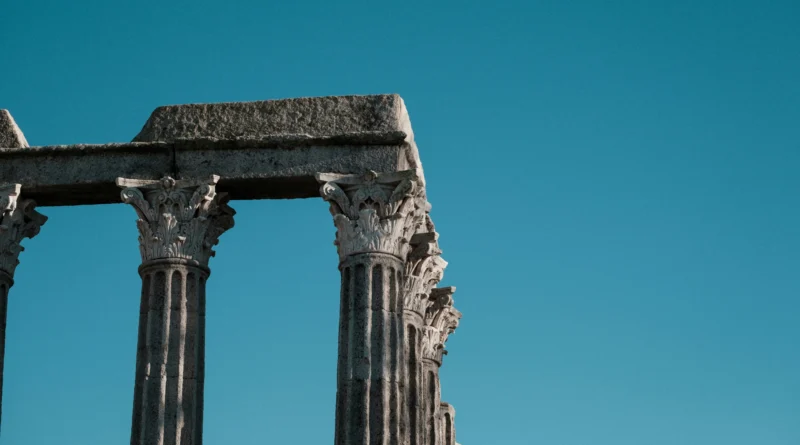
The Influence of Cultural Heritage on Architectural Design
Cultural heritage plays a big part in how cities appear. It affects building designs too. It even changes how folks move through spaces. If you look closely at architecture, you see that it’s more than just shape and purpose. It’s about keeping memories alive. It’s about who people are. It’s about carrying on from the past. This impact goes way past looks. It puts deep meaning into stuff like materials, sizes, and ways spaces are set up. These things link today’s world to old stories from ancestors. This piece looks at how cultural heritage still guides building designs in various places. Sometimes, I wonder if we’d lose something special without these ties to the past.
How Does Cultural Heritage Shape Architectural Identity?
Cultural heritage acts like a real-life story of what humans create and adjust to. It shapes building identity by weaving group memories into the places we build. Builders often pull ideas from nearby ways, stuff from the area, and how spaces fit together. They do this to show lasting culture while meeting today’s wants.
Regional Styles and Vernacular Architecture
Vernacular architecture mirrors the weather and ways of life in a spot. Take adobe homes in North Africa, for example. Or think of wooden frames in Scandinavia. These show how local stuff and skills grow over time. They aren’t just useful. They hold the smart ways of the people there. In places like these, folks have built this way for hundreds of years, maybe even a thousand, passing down tips from parents to kids.
Symbolism in Design Elements
Special signs often turn unseen heritage into something you can touch. In India, temple shapes use straight lines to stand for the order of the universe. Islamic buildings mix in writing as both pretty touches and ways to share beliefs. These small parts keep group ideas safe in the way buildings talk to us.
Integration of Local Materials
Picking stuff from right around helps keep nature in check. It also builds a strong feel of being in that place. Bamboo in Southeast Asia does this well. Stone work in the Mediterranean does too. These choices link designs to the land and people’s ways at the same time. It’s like the building grows right out of the ground where it stands.
Why Is Cultural Continuity Important in Modern Architecture?
Today’s building work deals with mixing new ideas and old habits. You spot this pull in towns where tall shiny buildings stand next to very old landmarks. Keeping culture going makes sure progress doesn’t wipe out who we are as groups. Instead, it lets that sense grow slowly. Without it, cities might feel empty, like they’re missing their heart.
Preservation Through Adaptive Reuse
Adaptive reuse changes old buildings for new jobs. It turns storage spots into art rooms. Or it makes grand houses into places to stay. All this happens while holding onto the first feel. This way keeps old stories alive in today’s world. I’ve seen old factories become cool community spots, and it really brings life back to quiet areas.
Urban Regeneration with Heritage Sensitivity
Projects to fix up cities work best when they care for what’s already there. They make spots where the past and now get along well. Look at how they fixed Barcelona’s Gothic Quarter. It shows smart planning keeps things real even as the city grows. Over 20 years, they brought back faded walls without losing the charm, and now it’s a busy spot for visitors and locals alike.
Intergenerational Cultural Transmission
Buildings help pass on group ways from old to young. Kids grow up in spots that feel full of meaning. They pick up old habits without lessons from books. It’s like the walls whisper stories to them every day.
How Do Globalization and Technology Affect Cultural Expression in Architecture?
Global ties bring fresh stuff, tools, and style ideas. These can make local looks less clear. But they also let builders rethink old signs with new ways. It’s a mix that can surprise you sometimes.
Hybridization of Styles
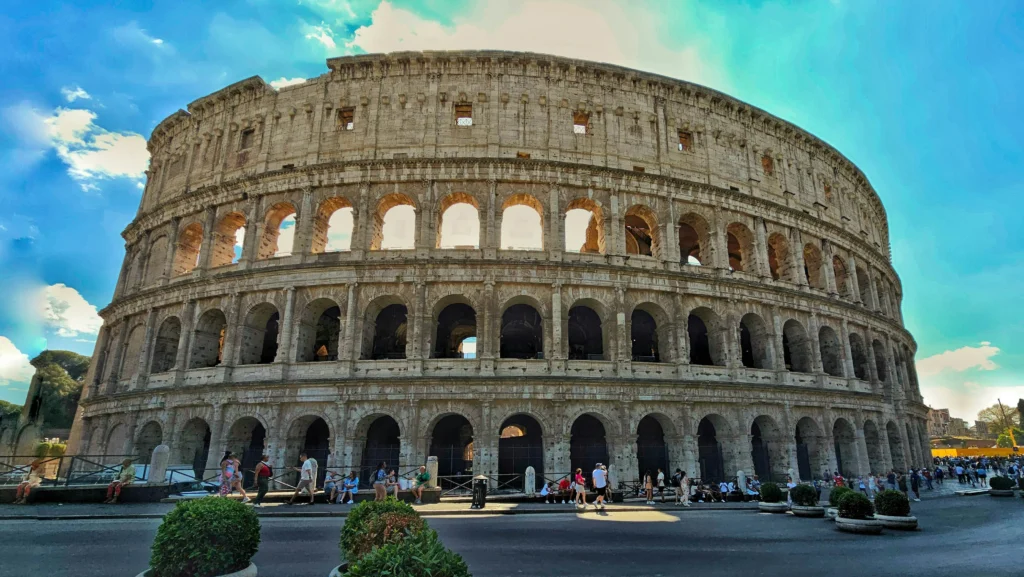
New builders often blend world ideas with home ways. They make mixed shapes. This could mean simple lines with old roof forms. Or using computer-made parts next to hand-done touches. In one project I recall, a school in Asia used steel frames but topped them with curved tiles from local clay, blending old warmth with modern strength.
Digital Preservation of Heritage Sites
New tech like 3D scanning catches exact pictures of sites at risk. These computer records save info even if the real things wear down. It’s saved places from wars or weather, keeping details for experts to study later.
Smart Cities Rooted in Tradition
Adding smart tools doesn’t mean forgetting the past. Towns like Kyoto mix top tech with old street plans. They prove you can move forward and still honor roots. There, sensors watch traffic, but the narrow lanes stay just as they were centuries ago, guiding people through history.
What Role Do Cultural Narratives Play in Spatial Organization?
Each group sees space in its own way. Some like shared open yards. Others focus on being alone or levels of rank. These likes shape how buildings are laid out. They also affect how people act inside.
Rituals and Social Practices
Old Japanese tea spots are built for set steps in moving around. Moroccan homes with inside yards put family time in the middle. Each setup puts group habits right into the building. You can feel the rhythm of daily life just by walking through.
Orientation and Cosmology
In lots of groups, how space faces ties to big beliefs about the world. Hindu temple doors look east. This stands for new starts with the morning sun. Navajo round homes face east too. It brings peace with nature’s ways. These choices make the space feel alive with deeper meaning.
Hierarchical Spatial Zoning
Old grand homes or holy spots often show group ranks through space setup. Private rooms sit farther in. This marks them as special or powerful. It’s a quiet way to show who’s who without words.
How Can Architects Balance Innovation with Heritage Conservation?
Mixing fresh ideas with saving the old needs care, not just copying. Builders should rethink old shapes instead of making exact twins in heritage spots. This keeps things fresh yet true.
Contextual Design Approach
Design that fits the area honors the size, feel, and flow around it. It doesn’t copy exactly. This lets new spots add to old ones nicely. In busy historic towns, this means new shops blend in without shouting over the past.
Material Compatibility Techniques
Selecting stuff that matches stops odd clashes between then and now. For example, local rock next to modern clear walls keeps things even across time. It creates a smooth story from old stones to new shine.
Regulatory Frameworks for Heritage Protection
World rules like UNESCO’s World Heritage Convention give steps to follow. They make sure growth fits with saving what’s there. At the same time, they allow slow changes over years (UNESCO World Heritage Centre, 2023). These guidelines have protected over 1,100 sites globally, helping places like ancient ruins stay for future eyes.
How Does Cultural Heritage Influence Sustainable Design Practices?
Being kind to the earth comes from old building smarts. This was true long before it turned into a big plan today. Many home-grown ways teach us about saving energy now. It’s neat how something so old still works in our fast world.
Passive Cooling Strategies from Traditional Forms
Homes with yards in warm spots use air flow from nature. Their shapes cut down on hot air without machines. This idea still helps make green designs today. In hot deserts, these setups can drop indoor temps by 10 degrees just by how they’re built.
Locally Sourced Materials Reduce Carbon Footprint
Old ways stuck to nearby things. This cut down on moving stuff far, which means less smoke in the air. Now, we see this as a top way to build with low harm (World Green Building Council Report, 2022). Using stone from 5 miles away instead of shipping it across oceans saves tons of fuel each year.
Community-Based Construction Practices
Cultural heritage stresses group work in building. Everyone joins in. This builds strong ties among people. It also helps watch over nature during the job. In villages, whole teams raise barns together, sharing skills and stories along the way.
FAQ
Q1: What is cultural heritage in architecture?
A: It means things you can see, like big stones or structures. It also covers unseen parts, such as skills or group ways. These shape building styles over many years.
Q2: Why should modern architects consider cultural heritage?
A: Mixing in old ways keeps group sense going. It adds real feel to designs, more than just pretty sights.
Q3: Can technology help preserve architectural heritage?
A: Yes. Tools like 3D scanning catch weak spots just right. This aids fixing or teaching about them around the world.
Q4: How does globalization impact local architectural styles?
A: It brings mixes from other places. Home ways change to fit world trends. But with care, they hold onto main traits.
Q5: What lessons does traditional architecture offer for sustainability?
A: Home methods show designs that fit the weather. They use natural ways to cut energy use. This keeps inside spots comfy without big power bills.