
What Makes a Modern Barn Style House the Future of Australian Architecture
Barn Style Homes Enter the Australian Housing Market
The modern barn style house has become a defining feature of Australia’s evolving residential landscape. Blending rural charm with contemporary design, it reflects a growing shift toward simplicity, sustainability, and connection to nature. Once purely utilitarian structures, barns now inspire a new generation of homes that combine open layouts, robust materials, and energy-efficient systems. This architectural movement is not just aesthetic—it represents a cultural adaptation to Australia’s climate and lifestyle preferences.
The Emergence of the Modern Barn Style House in Australia
The rise of barn-inspired architecture in Australia mirrors global trends that reinterpret traditional rural forms for modern living. These homes balance nostalgia with innovation, creating spaces that feel grounded yet forward-looking.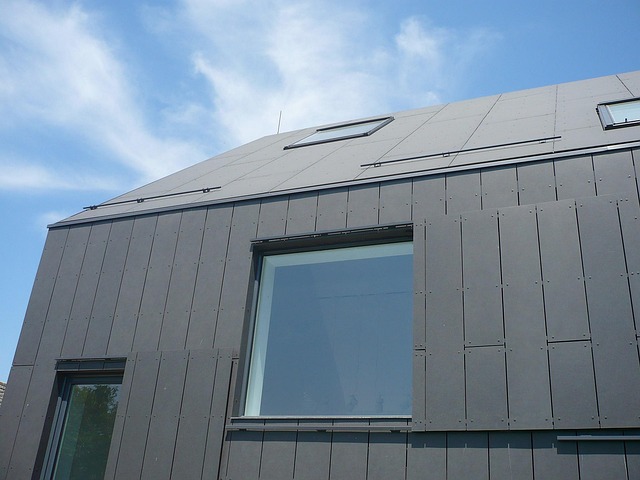
Historical Context of Barn-Inspired Architecture
Barn architecture originated from agricultural needs—large open interiors for storage and livestock, simple rooflines for efficient construction, and durable materials suited to harsh conditions. Over time, these pragmatic forms evolved into residential models that preserve their structural honesty while embracing comfort and style. In Australia, the influence of Scandinavian minimalism and North American “modern farmhouse” aesthetics encouraged local architects to adapt barn typologies to regional climates and materials. The result is a uniquely Australian version: resilient, light-filled dwellings that celebrate both heritage and innovation.
The Rise of Contemporary Rural Aesthetics
Australian homeowners increasingly value minimalist design paired with natural textures. The modern barn style house captures this sensibility through restrained geometry and honest material expression. Advances in prefabrication and steel-framed construction make these homes efficient to build while preserving their rustic appeal. Moreover, environmental awareness drives demand for designs that minimize energy use without sacrificing beauty—a balance well achieved by the barn typology.
Architectural Characteristics Defining the Modern Barn Style House
The architectural language of the modern barn style house emphasizes clarity of form and tactile richness. It merges industrial robustness with domestic warmth through careful spatial planning and material selection.
Core Design Principles and Structural Elements
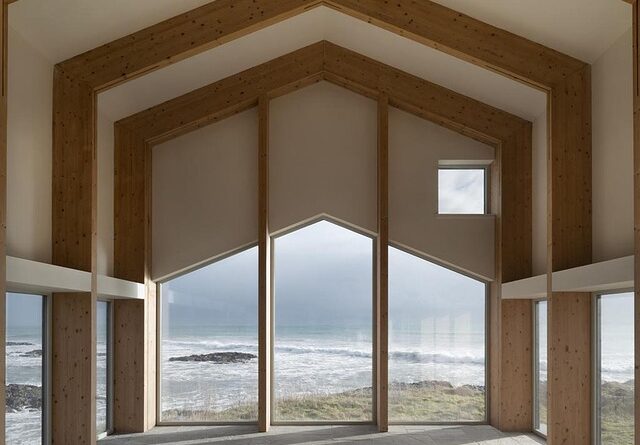
At its core, this style favors simple geometric volumes—often rectangular—with steep gabled roofs reminiscent of classic barns. Interiors typically follow an open-plan layout that encourages fluid movement between kitchen, dining, and living zones. Structural honesty is key: exposed beams, visible trusses, and steel frames highlight craftsmanship rather than conceal it. Large glazed openings connect interiors to surrounding landscapes while maintaining thermal performance through double glazing or shading systems.
Materiality and Texture in Modern Barn Architecture
Material choice defines much of the character in these homes. Many use locally sourced timber cladding paired with corrugated steel or concrete for contrast. Rough-hewn finishes coexist with refined joinery details to create depth and authenticity. Natural light plays a crucial role—clerestory windows or skylights bring sunlight deep into interiors while promoting cross ventilation. This interplay between texture and light gives each space an inviting yet disciplined atmosphere.
Spatial Organization and Interior Planning
Spatially, modern barn houses prioritize flexibility over rigid zoning. Open layouts allow living areas to adapt as families grow or lifestyles shift. Private zones such as bedrooms are often tucked behind sliding panels or mezzanines rather than enclosed corridors. Double-height spaces enhance volume perception without increasing footprint size, while lofts provide functional storage or workspace options within compact envelopes.
Environmental Performance and Sustainability Considerations
Sustainability underpins much of the appeal behind barn-style living in Australia. These homes often integrate passive design strategies alongside renewable technologies to reduce operational energy demands.
Passive Design Strategies in Barn Style Homes
Orientation is fundamental: north-facing glazing maximizes winter solar gain while eaves prevent overheating during summer months. Cross ventilation is achieved through operable windows aligned along prevailing breezes. Materials like rammed earth or polished concrete act as thermal mass buffers, stabilizing indoor temperatures naturally. Shading devices—whether timber battens or adjustable louvers—further optimize comfort throughout seasonal changes.
Sustainable Construction Practices and Technologies
Builders increasingly adopt prefabricated components to minimize site waste and shorten construction times. Reclaimed timber beams or recycled metal cladding not only reduce embodied carbon but also add visual authenticity. Many modern barn houses now include rooftop solar arrays linked with battery storage systems or rainwater harvesting setups feeding irrigation networks—small-scale yet impactful steps toward self-sufficiency.
The Cultural and Social Relevance in the Australian Context
Barn-style architecture resonates deeply within Australia’s cultural fabric because it bridges rural heritage with contemporary aspirations for sustainable living.
Responding to the Australian Landscape and Climate
Adaptation across climatic regions—from Tasmania’s cool temperate zones to Queensland’s subtropical coasts—has shaped distinct variations in form and material palette. In bushfire-prone areas, designers favor non-combustible exteriors like Colorbond steel paired with ember-resistant detailing around windows and vents. Material tones often echo local geology—rust reds in arid interiors or silver greys near coastal dunes—to harmonize built form with nature rather than dominate it.
Lifestyle Trends Driving Popularity Among Australians
Remote work flexibility has encouraged migration toward semi-rural regions where land is more accessible. The modern barn style house suits this transition perfectly: generous interior volumes support home offices without compromising family life, while large verandas blur boundaries between indoors and outdoors. Beyond function, Australians are drawn to the authenticity these homes express—a rejection of over-designed urban housing in favor of craftsmanship rooted in simplicity.
The Future Direction of Modern Barn Style Architecture in Australia
As technology advances and sustainability regulations tighten, the barn typology continues evolving from niche trend to mainstream model across both urban fringes and suburban developments.
Influence on Residential Design Trends and Urban Development
Developers are now incorporating barn-style aesthetics into suburban infill projects where compact footprints meet high design standards. Coastal communities too embrace this look for its weather resilience and low-maintenance finishes. Some architects explore hybrid typologies merging traditional gabled silhouettes with smart home systems controlling lighting, ventilation, or water management automatically—a convergence of rustic form with digital intelligence.
Opportunities for Architects, Builders, and Developers
Future opportunities lie in modular frameworks allowing customization without excessive cost escalation. Collaboration between architects, engineers, and material scientists could refine performance outcomes such as airtightness or embodied carbon metrics aligned with national sustainability benchmarks like NABERS or Green Star ratings by the Green Building Council of Australia (GBCA). Regulatory evolution supporting adaptive reuse of agricultural buildings may further expand access to affordable rural-inspired housing solutions nationwide.
FAQ
Q1: What defines a modern barn style house?
A: It features simple geometric forms with gabled roofs, open-plan interiors, exposed structural elements like steel or timber beams, and strong indoor-outdoor connections emphasizing natural light.
Q2: Why are these homes popular in Australia?
A: They align with Australian values of spacious living connected to nature while offering sustainable performance suited to diverse climates.
Q3: Are modern barn houses energy efficient?
A: Yes. Through passive design techniques such as solar orientation, cross ventilation, thermal mass materials, and renewable energy integration they achieve high efficiency levels.
Q4: Can this architectural style work in urban settings?
A: Absolutely; many suburban developments reinterpret barns at smaller scales using similar proportions but adapted materials compatible with city regulations.
Q5: What materials are commonly used?
A: Locally sourced timber cladding combined with corrugated steel sheets or concrete surfaces creates durability while maintaining rustic elegance typical of the style.