
The Role of Steel and Concrete in Building Structure
Today’s buildings rely on materials that offer good strength, some bend without breaking, and last a long time. Steel and concrete stand out as key players in nearly every big structure. Together, they build strong setups that handle heavy weights, weather challenges, and the passage of years. This piece looks at how these materials work side by side. It also explains why their teamwork shapes the world we live in today.
Why Are Steel and Concrete Essential in Modern Building Structure?
Steel and concrete each bring unique qualities. They fit together well. Steel gives pull strength, which means it fights against being stretched or tugged. Concrete, on the other hand, handles squeeze strength, so it resists being squashed. When mixed, they make reinforced concrete. This blend fights both pulling and squeezing forces in a solid way.
Complementary Strength Properties
Concrete by itself holds up well against squeezing. But it struggles with pulling forces. Steel steps in with its strong pull resistance. In tall towers or long bridges, steel rods inside the concrete stop breaks from forming under weight. The pair works so well that builders can create slim but tough designs. You couldn’t do that with just one material. Think about a busy city bridge carrying cars all day. Without this combo, it might crack too soon.
Durability and Long-Term Performance
Concrete shields the steel inside from rust by keeping things alkaline. In exchange, steel makes the whole setup more bendy. It lets the structure bend a bit under pressure instead of snapping all at once. If you design it right and care for it, reinforced concrete can go over 100 years. It shows little wear in that time. I’ve seen old factories from the early 1900s still standing strong, thanks to this mix.
Cost Efficiency in Construction
Even with prices going up around the world, steel and concrete teams stay affordable. That’s because they’re easy to get and perform well for the money. Ready-made steel parts cut down on worker hours at the site. Local rocks and sand for concrete mean less hauling costs. Often, this leads to quicker builds. And you don’t lose on quality. For example, a recent office project in Texas finished two months early, saving a bundle.
How Does Reinforced Concrete Work?
Reinforced concrete uses a hidden frame of steel bars, called rebar, or wire nets. These sit inside the poured concrete. The inner support lets the whole thing act like one piece when loaded.
Load Distribution Mechanism
A beam bends when something heavy sits on it. The top part gets squeezed. The bottom gets pulled. Concrete deals with the squeeze just fine. Steel takes care of the pull. Their grip on each other spreads the strain evenly. This stops cracks from growing. In a simple school gym floor, this means kids jumping around won’t cause big issues.
Thermal Compatibility Between Materials
Steel and concrete grow and shrink at almost the same speed with heat or cold. This match avoids extra strain from weather changes. It’s vital for bridges or high parts of buildings that face sun and shade every day. Picture a highway overpass in summer. Without this fit, gaps might form from the heat.
Structural Flexibility for Design Innovation
Reinforced concrete lets builders try fun shapes like curves or overhangs. They don’t need extra thick walls. Famous spots like the Sydney Opera House use this to blend looks with solid build. The sails there curve out dramatically, but they hold up thanks to the materials’ give.
What Role Does Structural Steel Play in High-Rise Buildings?
In very tall structures, cutting weight matters a lot. Structural steel shines here. Its great strength compared to its light weight lets buildings reach high without stressing the base too much.
Frame Systems for Vertical Loads
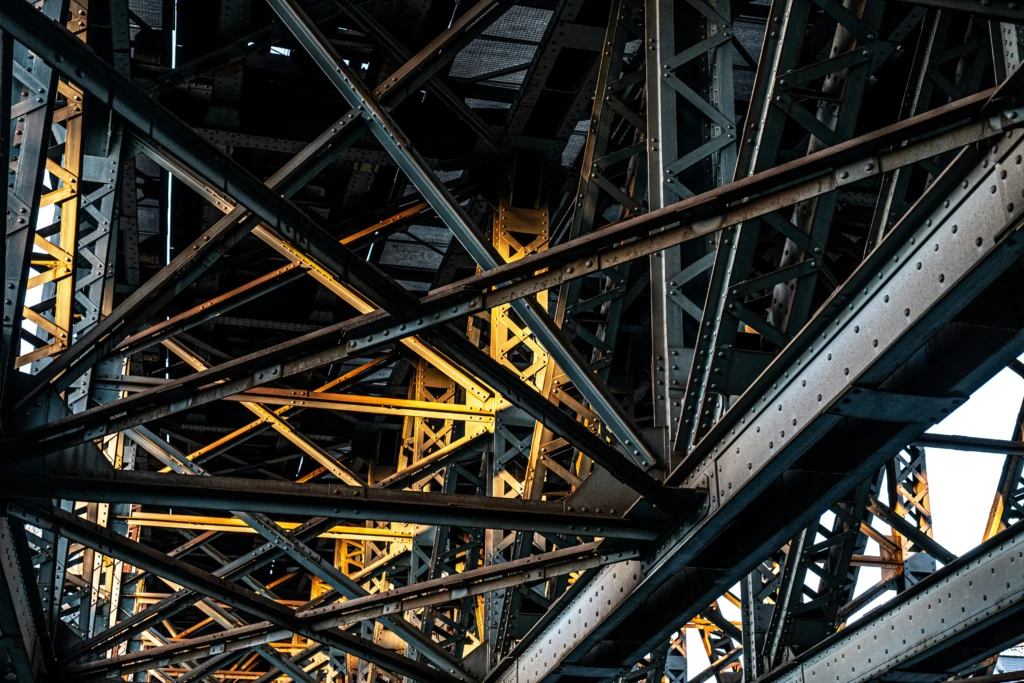
Steel posts and beams make bone-like frames. They support down pulls from weight and side pushes from wind or shakes. You can bolt or weld them fast. This speeds up the job way more than old brick ways. A 40-story hotel in New York went up in just 18 months using this method.
Composite Floor Systems
Lots of new tall buildings use mixed floors. These have steel sheets with concrete on top. The setup gives firmness but stays light. It thins out the floors. Plus, it blocks noise and fights fire as codes demand. In apartments, this keeps sounds from traveling between units.
Seismic Resistance Capabilities
Steel frames bend without falling apart. That’s perfect for shake-prone areas like Japan or California. Designers make joints that soak up shakes by bending on purpose. Not breaking stiffly. After the 2011 quake in Japan, many steel-framed offices stood while others didn’t.
How Do Environmental Factors Affect Steel and Concrete Structures?
Weather and surroundings challenge any building’s lasting power. It’s one of the toughest parts to handle.
Corrosion of Reinforcement Steel
Water sneaking in or salt from roads or sea air can rust the steel bars in concrete. Rust grows big, up to six times larger. It cracks and flakes the cover. Coatings like epoxy or electric guards help fight this. On coastal piers, skipping this leads to repairs every few years.
Freeze-Thaw Cycles on Concrete Surfaces
In chilly places, water in the concrete freezes and swells over and over. This wears down the outside. Adding tiny air bubbles helps. They give space for ice to push without harm. Roads in Minnesota use this to last through harsh winters without potholes everywhere.
Fire Resistance Considerations
Concrete keeps heat away from the steel inside. It doesn’t let flames through easy. But long hot fires weaken both. So, sprays or covers add protection in tall spots. During a warehouse fire test, untreated steel bent fast, but coated ones held for hours.
What Innovations Are Transforming Steel and Concrete Construction?
New ideas keep improving how we make and use these materials at work sites. It’s exciting to see changes coming.
High-Performance Concrete (HPC) Development
HPC mixes in extras like silica fume or fly ash. This boosts power past 100 MPa. It also blocks water better. These blends fight chemicals longer than regular ones. A dam project in Europe used HPC and cut leaks by half, saving water for years.
Advanced Steel Alloys for Sustainability
Fresh steel types with tiny alloys give more strength. They use less carbon too. This lowers energy to make each ton. Recycled steel makes up over 85% of builds now, per 2023 data from World Steel Association. It’s good for the planet, and factories near me recycle tons daily.
Digital Fabrication Techniques
Building Information Modeling, or BIM, blends exact plans with pre-made parts. It cuts waste in making. Robots weld tricky shapes like bent beams or open frames. On a stadium job, BIM spotted errors early, avoiding costly fixes later.
How Do You Choose Between Steel Frame and Reinforced Concrete Systems?
Picking the right setup looks at size, money, ground type, and how long it needs to last. It’s not always straightforward.
Project Scale and Functionality
For homes up to 15 floors, concrete wins. It stays steady and quiets sounds. For big office towers over 50 stories, steel frames rule. They’re light and go up quick with ready pieces. A condo in Florida picked concrete for the quiet pool deck.
Site Conditions and Soil Bearing Capacity
Concrete weighs more on the ground than steel does. On soft dirt needing deep supports or wide bases, steel lightens the load. This cuts sinking chances. In marshy areas like Louisiana, steel avoids extra piling costs.
Lifecycle Cost Analysis
Upfront prices vary by place. But think about upkeep too. Concrete needs crack fixes now and then. Steel outside wants rust checks every 20 years or so, based on ISO 9223 from 2020. A hospital build weighed this and chose concrete for lower long-run bills.
FAQ
Q1: What Is the Main Advantage of Combining Steel With Concrete?
A: The mix gives pull and squeeze strength in one setup. It handles all kinds of loads well over time. And in real life, it makes everyday buildings safer for people.
Q2: How Long Can Reinforced Concrete Last Without Major Repairs?
A: If done right and kept dry from water and salt, it can go beyond 100 years. Cover the steel well and check it often.
Q3: Why Is Structural Steel Preferred in Skyscrapers?
A: The light weight with strong power lets towers grow tall. Columns take less space. It sways with wind or quakes without trouble. Burj Khalifa uses tons of it for that reason.
Q4: Can Recycled Materials Be Used in Modern Building Structure Design?
A: Sure. Old rocks go into concrete instead of new ones. Scrap metal becomes fresh steel. It meets strength rules fine. Many green projects push this now.
Q5: What Emerging Technology Will Impact Future Construction Most?
A: Tools like digital making with smart planning will change steel-concrete work. They’ll make things greener by 2030, says McKinsey’s 2023 report on building. It’s already helping small firms compete.