
How Does the Front Facade of a House Reflect the Fate of Beacon Street Heritage
A Crumbling Facade Marks the End for a Historic Beacon Street Lodging House
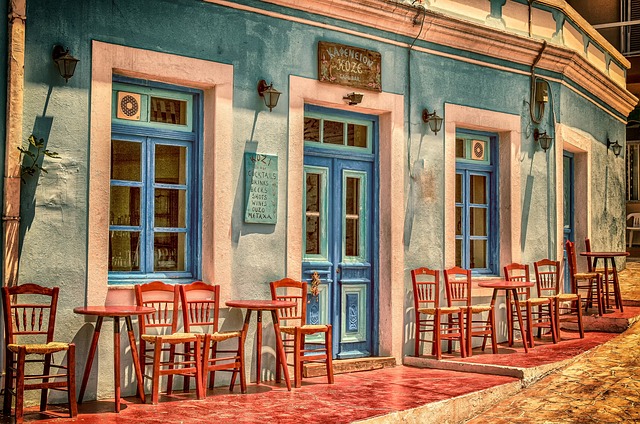
The deterioration of the front facade of a historic lodging house on Beacon Street symbolizes more than structural fatigue. It represents the fading imprint of an architectural era once defined by modest elegance and social purpose. The building’s decline reveals the tension between preservation ethics and urban transformation, where the loss of original materials mirrors a broader cultural erosion. For experts in urban heritage, this case stands as a cautionary narrative: when maintenance lapses, the city’s collective memory erodes along with its masonry.
Architectural Heritage and the Symbolism of the Front Facade
The facade is often described as architecture’s public face—a silent storyteller that communicates identity, status, and craftsmanship. In historic districts like Beacon Street, each facade acts as both ornament and archive, revealing how communities once expressed civic pride through built form.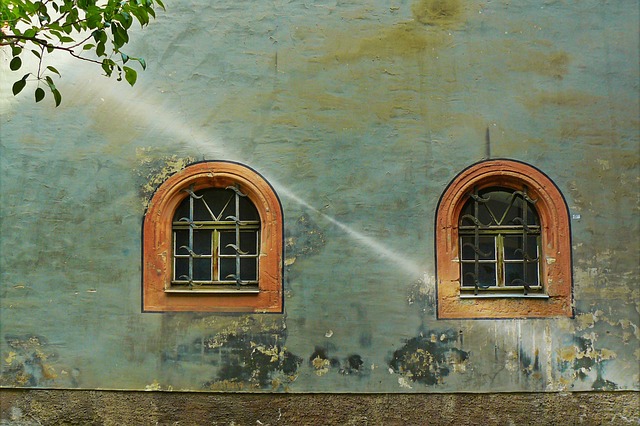
The Facade as an Expression of Cultural Identity
The front facade of a house is rarely just an aesthetic gesture; it embodies the architectural language of its era. In late nineteenth-century urban contexts, symmetry and proportion reflected aspirations toward order and refinement. Design details such as cornices or pilasters were not merely decorative—they articulated social ambition and alignment with prevailing tastes. Materials like brick or sandstone conveyed both durability and respectability, while ornamentation demonstrated local artisanship shaped by industrial progress.
Reading Historical Narratives Through Architectural Elements
Architectural historians often treat facades as texts written in stone and mortar. Cornices, moldings, and window arrangements reveal stylistic transitions—from Victorian restraint to early modern pragmatism. Alterations in facade treatment can mark changes in ownership or function, such as a family residence converted into workers’ lodging during industrial expansion. Weathering patterns—cracked stucco or rust-stained lintels—speak to decades of exposure and deferred care, turning physical decay into visible history.
The Beacon Street Lodging House: Architectural and Historical Context
Beacon Street’s built environment evolved alongside Boston’s industrial pulse. Its architecture captures shifting demographics, from affluent townhouses to dense lodging houses accommodating transient laborers drawn by nearby factories.
Evolution of Beacon Street’s Built Environment
In its early decades, Beacon Street presented a mosaic of residential typologies—brick rowhouses beside wooden tenements—reflecting class diversity within walking distance of employment centers. Lodging houses appeared as pragmatic responses to population surges tied to industrialization. Their facades balanced affordability with dignity: simple yet proportionate compositions that avoided ostentation while maintaining civic decorum.
Defining Features of the Historic Lodging House Facade
The former lodging house displayed hallmarks of late Victorian urban design: a symmetrical composition anchored by vertical bays and rhythmic fenestration. Brickwork provided both structure and ornament through subtle variations in color and jointing. Stone lintels framed windows with quiet precision, while modest cornices offered shadow lines that animated the elevation under changing light. These elements combined to create an impression of restrained urban elegance rather than grandeur—a reflection of working-class respectability.
The Crumbling Facade as a Signifier of Decline
As decades passed without consistent upkeep, the same features that once expressed pride became signs of neglect. The deterioration now visible on Beacon Street is not only technical but symbolic—a physical manifestation of shifting urban priorities.
Material Degradation and Structural Implications
Brick spalling from freeze-thaw cycles exposes inner layers to moisture intrusion. Mortar joints erode under pollution and time, loosening structural bonds between units. Water infiltration accelerates corrosion around embedded metal anchors, compromising stability from within. Deferred maintenance transforms reversible wear into irreversible loss; what begins as surface flaking ends in structural failure. For engineers, these conditions signal not just aging materials but systemic neglect that undermines safety.
Visual Decay as a Reflection of Urban Transformation
The fading facade mirrors broader social transitions: neighborhoods once defined by permanence now face redevelopment pressures favoring efficiency over continuity. As paint peels and decorative bands crumble away, aesthetic coherence dissolves along with community memory. Each missing brick becomes evidence that heritage values have slipped behind economic imperatives—a familiar pattern in many post-industrial cities where land value eclipses historical worth.
Heritage Value and the Question of Preservation Ethics
When deterioration reaches critical levels, preservationists confront difficult choices between authenticity and practicality. The debate extends beyond material conservation toward philosophical questions about what constitutes genuine heritage.
Assessing Authenticity in a Failing Structure
Authenticity does not reside solely in surviving fabric but also in continuity of story and place. Even when facades deteriorate beyond repair, their remnants hold interpretive value if contextualized properly. Restoration efforts must weigh whether replacing damaged sections maintains historical truth or introduces sanitized replicas devoid of patina—the surface record of time itself.
Policy Frameworks Governing Heritage Conservation on Beacon Street
Municipal heritage ordinances define eligibility criteria for preservation incentives such as tax credits or grants for rehabilitation projects. Funding availability often determines whether private owners can sustain maintenance obligations over time. Effective policy requires balancing regulatory oversight with community engagement so that preservation remains both economically viable and socially meaningful.
Interpreting the Fate of Beacon Street’s Architectural Legacy Through Its Facades
Facades across Beacon Street collectively form an open-air archive chronicling Boston’s urban evolution—from industrial optimism to contemporary reinvention.
Facades as Cultural Texts in Urban Memory Studies
Each front facade functions as a cultural text layered with meanings accrued through occupancy, adaptation, and decay. Comparative analysis across blocks reveals patterns: some buildings meticulously restored for boutique residences; others left derelict pending redevelopment approval. Documenting these contrasts through photography or archival mapping preserves intangible aspects of heritage even when physical structures vanish.
The Role of Experts in Shaping Future Interventions
Conservation architects diagnose structural pathologies within historical frameworks to guide sensitive interventions that stabilize without falsifying history. Urban historians trace ownership patterns to link architectural change with socioeconomic shifts such as migration or zoning reform. Together they advocate adaptive reuse strategies—converting obsolete lodging houses into community spaces—that honor original intent while meeting present needs without erasing memory embedded in masonry.
FAQ
Q1: What defines the front facade of a house in architectural terms?
A: It is the principal exterior elevation facing the street, designed to convey character through proportion, material choice, and ornamentation reflecting cultural identity.
Q2: Why do older brick facades deteriorate faster than modern ones?
A: Traditional bricks often absorb more moisture; combined with weaker lime mortars, they suffer from freeze-thaw damage when maintenance lapses over decades.
Q3: How can authenticity be preserved during restoration?
A: By retaining original materials where feasible and documenting replacements transparently so future researchers can trace interventions without confusion.
Q4: What role do local policies play in saving historic structures?
A: Local ordinances establish protection zones, offer financial incentives for rehabilitation, and regulate alterations to maintain neighborhood character.
Q5: Can adaptive reuse prevent further losses on Beacon Street?
A: Yes; converting disused lodging houses into functional spaces like galleries or co-housing units can revive them economically while preserving their architectural essence.