
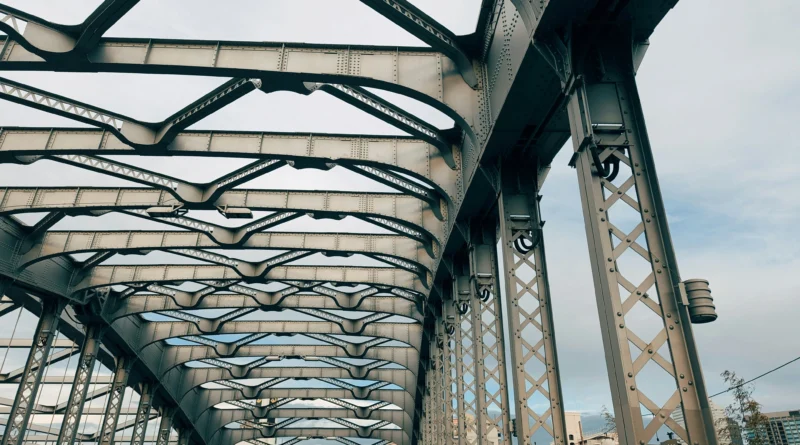
How Structural Engineering Shapes Modern Architecture
Modern architecture goes beyond just looking good. It involves a careful balance between ideas and the laws of physics. Structural engineering sets the limits on what can be built. When you step inside a building that appears to hover or bend against the pull of gravity, you see the quiet efforts of engineers. They turn an architect’s dream into a solid shape. This piece looks at how structural engineering affects modern architecture. It covers topics like materials and green practices, plus new tech and famous designs.
How Do Structural Systems Define Architectural Form?
The link between structure and shape forms the base of modern architecture. Structural systems do more than keep things safe. They shape how a space feels and works. Picking the right system—such as frame, shell, or tensile—directly affects the building’s style.
Load-Bearing Frameworks
Load-bearing frameworks stay key in tall buildings and those with wide spans. Steel and reinforced concrete frames let architects make open insides with less need for walls. The Burj Khalifa in Dubai shows this teamwork well. Its bundled tube system spreads out the weight smartly. At the same time, it creates a slim, pointed outline. I recall walking near it once, and the way it reaches up feels almost magical, yet it’s all math and metal holding it steady.
Shell and Membrane Structures
Shell structures, like the Sydney Opera House, prove how thin concrete shells can offer both power and bold shapes. In the same way, tensile membranes appear in places like stadium roofs. For example, Munich’s Olympic Stadium uses tension instead of pushing forces to stay stable. This leads to light but striking areas. Think about events there—crowds cheer under a roof that looks like fabric stretched tight, but it’s engineered to last through storms.
Hybrid Structural Concepts
Today’s projects often mix different systems for more options. Hybrid steel–concrete designs, for instance, mix firmness with give. This helps taller buildings fight wind shakes without using too much heavy stuff. These mixes let architects craft areas that seem strong yet lively. In busy cities, this approach saves space and money, which is a big win for developers.
What Role Do Materials Play in Modern Architectural Expression?
Materials give structure its own voice in modern architecture. They show ideas like clear views, heaviness, coziness, or sharp lines based on use. Engineers pick materials for their power, but also for looks and green traits. Sometimes, a material’s feel can change how people use a space, like cool glass making a room seem bigger on hot days.
Steel as a Symbol of Progress
Steel changed building work by giving huge pull strength. Its thin shapes allow big reaches and wall covers that mark skyscrapers from New York to Shanghai. More than just working well, bare steel shows truth—a main idea in modern design thinking. Over the years, we’ve seen steel bridges last decades with little upkeep, proving its worth in real life.
Concrete as Sculptural Medium
Concrete’s bendy nature lets architects form tricky shapes that stone or brick couldn’t handle before. New steps like ultra-high-performance concrete (UHPC) push this even more. They make slimmer but tougher forms possible. Plus, they hold up against weather wear. In rainy places, this means less cracking over time, saving repair costs down the line.
Glass and Transparency
Glass sets the open feel of today’s buildings. Special glazing methods allow whole front walls without seen frames. This mixes inside and outside smoothly. But engineers have to plan for heat growth and weight shifts. They use hidden supports that keep the clear look safe. I’ve noticed in office towers how this makes lobbies feel welcoming, drawing people in without barriers.
How Has Sustainability Changed Structural Engineering Approaches?
Being green now ties right into how we design buildings. Engineers weigh saving energy against caring for the planet. They rethink where materials come from, how they’re put together, and if they can be used again. This shift isn’t just trendy; it’s needed as cities grow and resources thin out.
Energy-Efficient Structural Design
Current engineering mixes in simple ways to save power. Things like concrete’s heat-holding ability or air flow paths built into the frame cut down on machine use for cooling or heating. These ideas make the structure help control the weather inside. For a building in a hot spot, this could mean 20-30% less energy bills, based on studies from places like California.
Recycled and Renewable Materials
Wood is coming back strong as a building material with cross-laminated timber (CLT). It gives good strength for its light weight. Also, it traps carbon all through its life. Builds like Norway’s Mjøstårnet tower show wood can match steel in tall spots and work well when planned right. Interestingly, wood buildings often feel warmer inside, which boosts worker mood in offices.
Life-Cycle Assessment Practices
Engineers now check the whole path of a material. They look from digging it up to tearing it down. The goal is to cut hidden carbon. Parts made to come apart easily let you reuse them later. This fits with reuse ideas instead of throw-away ways. In Europe, some projects reuse 80% of materials, cutting waste big time.
How Does Digital Technology Influence Structural Design Today?
Computer tools have changed how architects and engineers team up. Shape-based modeling gives quick info on how tweaks affect weights or stuff used before building starts. This speeds things up and cuts errors, like spotting a weak spot early saves thousands in fixes.
Computational Modeling
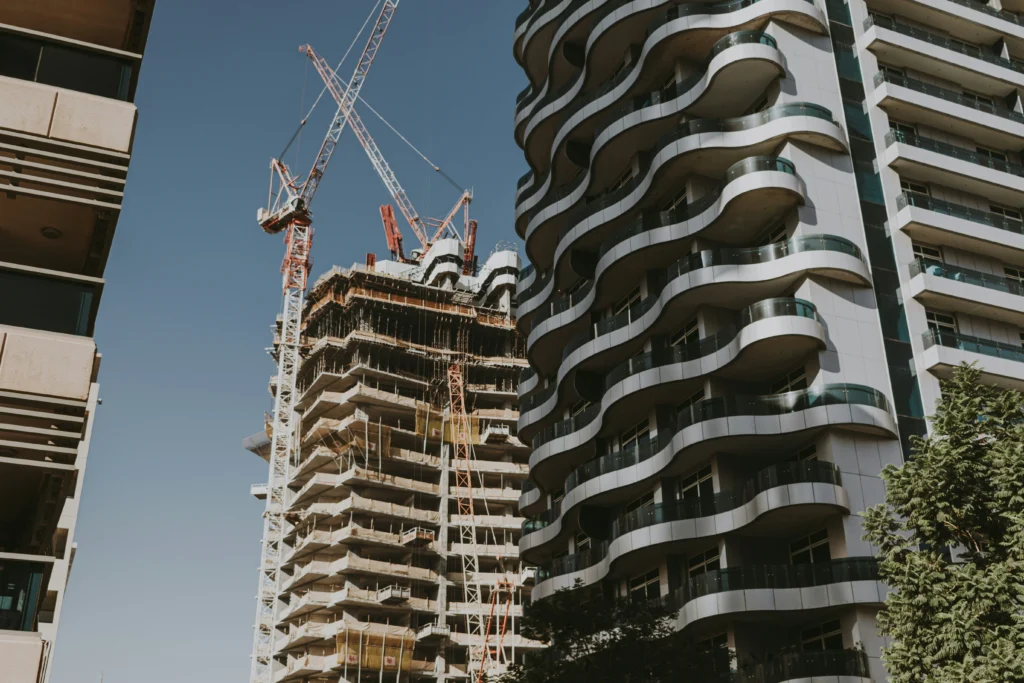
Tools like finite element analysis (FEA) software check strains on wild shapes very closely. This lets bold designs like Zaha Hadid’s Heydar Aliyev Center stay safe. Their flowing forms break old even patterns. Without this tech, such curves might have stayed on paper only.
Building Information Modeling (BIM) Integration
BIM pulls all teams into one computer space. Every beam or post holds info on size, price, and how it works. This common setup cuts mix-ups on site. It also helps upkeep way after it’s done—a virtual copy of the real thing. Teams in big projects say it shaves months off timelines.
3D Printing in Construction
Layer-by-layer making now goes past test pieces to real parts. Think printed concrete walls or metal joints for web frames. These ways cut trash by putting stuff only where needed. They also allow fancy shapes hard with old pouring or joining. In small homes, this has built walls in days, not weeks.
How Do Structural Innovations Enable Iconic Architecture?
Famous buildings often come from pushing engineering edges to spark new ideas. The back-and-forth of big goals and exact math creates spots the world knows. These aren’t just pretty; they change how we live and move in cities.
Tall Building Engineering
As towns stack up higher, new ideas like tuned mass dampers fight wind shakes in super-tall spots like Taipei 101. These unseen parts make great heights comfy by steadying tiny moves. People inside barely notice, but it’s key for holding safe. In earthquakes, they help too, as seen in tests.
Long-Span Structures
Spots like airports, sports areas, and show halls need huge open spaces without posts. They use frames or cable-tied setups to spread forces wide. The Beijing National Stadium (“Bird’s Nest”) shows how build logic can turn into art. It’s not just need; it’s the look that sticks in mind from the 2008 Games.
Adaptive Structures
New studies look at moving front walls that change shade or air flow on their own. They use machine parts built into the frame. This mix of building and smart tech heads toward spots that act like alive things. They tweak to fit weather shifts. Imagine a tower that opens vents on windy days to cool naturally.
What Are the Challenges Facing Future Structural Engineering?
Options grow fast, but so do tough spots. Weather changes stress materials. City crowds make moving stuff hard. Relying on computers brings safety worries in linked smart setups. Still, solving these keeps the field exciting.
Climate Resilience
Engineers design for hotter days, fiercer rains, and odd weights from wild weather. Strong details—like bases that fight floods or bendy links—make buildings last longer in unsure times. Coastal projects now add extra layers, like in Florida after recent hurricanes.
Urban Constraints
In packed spots like Tokyo or London, tight room pushes stacking uses on shared bases or under-ground links. Matching these piled systems needs careful steps in planning and building. Delays here can cost millions, so timing is everything.
Ethical Responsibility in Automation
Machines speed work but can undervalue hand skills if not watched. Mixing computer smarts with people choices stays vital. Tech should boost new thoughts, not wipe out the human touch in design work. As AI grows, keeping jobs balanced will be a hot topic in conferences.
FAQ
Q1: What distinguishes modern architecture structurally from traditional styles?
A: Modern architecture stresses open layouts held by bone-like frames. This differs from thick weight-holding walls common in old brick builds.
Q2: Why is sustainability critical in structural engineering today?
A: Building work adds a lot to world carbon output. Green engineering cuts built-in energy with smart materials and full-life plans.
Q3: How do digital tools improve collaboration between architects and engineers?
A: Shared BIM setups match changes right away across groups. Space issues get fixed early, before work starts on site.
Q4: Can timber really replace steel in tall buildings?
A: Worked wood like CLT hits similar strength for weight. But top heights still tie to local fire rules and link tech being built.
Q5: What future trends might redefine structural engineering?
A: Blending AI for better choices with bendy materials may create self-tweaking builds. They could handle changes on their own over years.