
Can Nursery Wall Decor Transform a Simple Space into a Memorable Haven
How Does Nursery Wall Decor Influence Room Atmosphere?
Setting up a nursery means more than picking a crib and light paint colors. The sights and feelings from nursery wall decor affect how you and your baby feel in the room. Colors mix with light in certain ways. Art placement changes the room’s balance. Each part helps build the overall mood.
Visual Impact of Color and Design
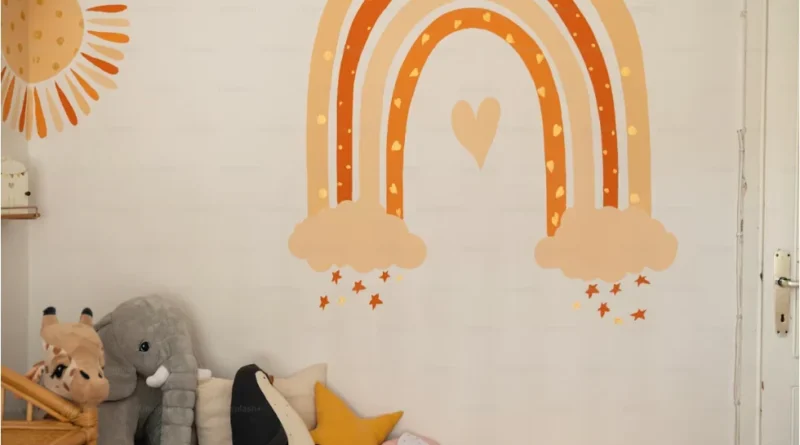
Color ideas shape how a nursery seems. Gentle shades like light green, soft orange, or clear blue bring peace. Brighter colors such as pinkish red or yellow add energy. Patterns like lines, fluffy clouds, or basic forms lead the eyes around. They can quietly change how the room flows. Big wall paintings make walls look bigger. Smaller pictures in frames bring a steady beat and closeness. Your picks here decide if the space feels open or tight, fun or quiet. I remember once seeing a room with just soft blues—it made everything calm, like a gentle hug for the day.
Emotional Responses to Themed Decor
Themed items often bring out certain feelings. A forest setup with kind animal drawings can build comfort and a link to the outdoors. On the other hand, sky designs with stars, moons, and space views spark wonder and creative thoughts. Babies react on instinct to picture stories. These setups set an emotional start for their early days in the place. Parents who pick calm story art can help with sleep times. It sends a quiet signal for rest. Think about a starry night theme—kids gaze up and dream a bit, even as tiny ones.
Spatial Perception Altered by Art Placement
Where you put wall art changes how big or small the nursery looks. Hang pieces at eye height when sitting. This builds closeness during meals or story times. Tall setups pull eyes up. They make ceilings seem taller. Side-to-side setups make skinny rooms look wider. It’s not only about even spacing. Smart gaps between frames let the design breathe. This stops too much busyness. Many room planners see this as key for baby areas. In one home I visited, art low on the wall made feeding time feel cozy, not distant.
Can Wall Art Enhance a Baby’s Cognitive Development?
Wall decor does more than look nice. It can help a baby’s mind grow early on. Babies learn by using their senses. Sight is one of the first ways they check out the world after coming home.
Stimulating Visual Patterns and Shapes
Strong black-and-white pictures help new babies see better. Their eyes grow slowly in the first few months. Simple shapes like squares or circles grab focus well. As the baby gets older, add color fades and trickier sights. This builds skills to spot patterns. Even small repeats, like rounds inside stars, teach eye following. That skill later helps with books and words. Experts say starting with contrasts around three months makes a real difference—I’ve seen babies stare longer at those bold prints.
Educational Themes in Nursery Decor
Learning wall pieces bring ideas in a soft way. This happens before school starts. Letter walls, count boards, or map prints do two jobs. They look good and show basic facts. These items wake up interest without too much push. Pair them with touchy things like soft letters or bumpy spots close by. Then they link seeing with feeling. In a friend’s nursery, an ABC poster near the changing table turned diaper time into a quick letter game—simple but effective.
Interactive Elements for Engagement
Items you can touch turn watching into doing. Boards with magnets and moving shapes or cloth hangings with feel textures call babies to reach out. This starts when they crawl or stand. Such play boosts hand skills. It also teaches what happens when you act. Picture a little one pulling a fabric star—it giggles and learns cause follows action. Safety first, though; keep it light and attached well.
What Are the Benefits of Personalized Nursery Decor?
Custom nursery decor brings deep feelings that store-bought stuff seldom matches. It lets families add their own touch to the setup. This small step means a lot and lasts.
Unique Identity Through Customized Art
Special name signs or lettered prints give a personal mark to the baby’s spot right away. These bits show they belong. They build a feeling of having their own place before words come. For moms and dads who like beauty and heart, this mix of custom work and art makes each look at the wall feel warm. One family I know added a name in soft script—it became the room’s heart.
Family Connection with Personalized Pieces
Adding family nods, like a framed song line from grandma or art from old roots, builds links across time in the nursery. These touches quietly remind kids of ongoing care in their world. It’s like wrapping the space in shared stories without saying a word.
Long-lasting Keepsakes and Memories
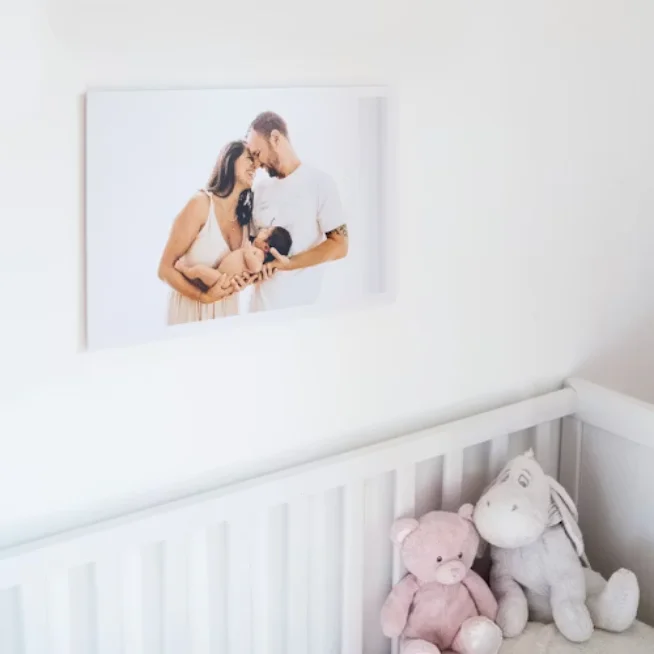
Custom decor often moves past baby days. A picture with birth facts turns into a treasure. It shifts from walls to shelves as the child grows. Unlike quick styles, these hold real feeling long after colors shift. Years later, that piece might spark a smile during family chats.
How Do Different Styles of Wall Decor Affect Room Aesthetics?
Each style choice changes the nursery’s mood and feel. It shows the room’s personality in fresh ways.
Minimalist vs. Maximalist Approaches
Simple setups use empty spots and light color differences for clear peace. This suits folks who like easy looks over busy ones. Full styles take in lots of layers, strong shades, and mixed setups. They add life but need good planning to skip overload for little eyes. A minimalist room with one big print feels restful; a maximalist one with patterns everywhere buzzes with fun, if not too much.
Modern Trends in Nursery Design
Today’s ways lean to natural stuff like wood borders with water color drawings or simple patterns from cool, clean styles. Plain backgrounds with gentle pastels keep things open. You can update easy as the kid grows, no big redo needed. Take sustainable woods—they last and look fresh, per design pros.
Classic Themes and Timeless Appeal
Old motifs like flower edges or book tale figures keep their pull. They go beyond short fads. Their warm past feel draws in all ages. It fits well for young kid spots. Classics like a simple teddy print never date; they just comfort.
Is It Possible to Create a Gender-Neutral Nursery with Wall Art?
Yes, and more parents do it now. They aim for open designs over old color rules.
Use of Neutral Colors and Themes
Gentle greens, brown-grays, whites, and dull yellows make steady bases. These work for any path the child takes later. Outdoor ideas like hills or plant drawings fit all without old boxes.
Incorporating Universal Symbols and Motifs
Forms like stars, bows in earth colors, puffs, or plain land views talk to everyone. They cross places and likes. These bring happy without early tags on who they are. A rainbow in soft tones adds joy without limits.
Balancing Softness and Structure
Mixing kind feels like cloth pictures with firm borders brings evenness. It blends snug and neat. This quiet hint aids rest and sharp eyes in one spot. It’s like giving the room a balanced hug.
How Can Safety Be Ensured in Nursery Wall Decor?
Safety stays top when making spots for babies who poke around as they get bold.
Non-toxic Materials and Safe Mounting Techniques
Pick paints marked free of bad fumes to keep air clean inside. Use break-proof plastic over glass in frames if you can. Fix holders strong into wood beams, not just wall bits. This stops drops if kids pull later. In humid spots, check often—I’ve heard of loose hooks from steam alone.
Age-appropriate Designs for Safety Considerations
Skip tiny loose bits near hands that could choke when babies stand by walls or chairs. Keep designs fit for their stage, like big safe shapes early on.
Regular Maintenance and Inspection Practices
Sticks lose strength over time. Look at hooks every few months. This keeps things steady against wet air changes. Nurseries often have mist makers or warmers in cold times, so shifts happen.
What Role Does Cultural Influence Play in Nursery Decor Choices?
Culture quietly shapes what looks good, from color meanings to drawings of family tales over years.
Traditional Motifs Across Different Cultures
Rooms in Japan may show birds for long life. North ways like clean nature match peace with the wild. India styles add detailed circles for togetherness. All show deep group values. It’s fascinating how a crane print can whisper old wishes to a new baby.
Incorporating Cultural Heritage into Design
Mix old cloth as framed bits to add real feel without crowding new setups. This honors past in sights, not talks, in spots where babies can’t chat yet. A simple heritage pattern blends right in.
Balancing Cultural Elements with Modern Trends
Pair old signs with fresh colors to keep rooms now and tied to roots. Designers do this by picking key parts, not copying all old ways word for word. It creates a space that’s both new and true.
FAQ
Q1: How do I choose colors that won’t overstimulate my baby?
A: Stick with muted shades like sage green or soft beige; avoid bright primaries dominating large surfaces since babies process high contrast intensely during early months.
Q2: Can interactive wall art be introduced safely?
A: Yes—opt for lightweight fabric panels instead of heavy installations so exploration stays tactile but risk-free once mobility increases.
Q3: What’s an ideal height for hanging nursery artwork?
A: Position pieces at adult seated eye level (around 36–42 inches from floor) so visuals align naturally during feeding sessions rather than standing height typical in living areas.
Q4: Are there eco-friendly materials suitable for nursery frames?
A: Bamboo composites or FSC-certified wood options offer sustainability benefits along with durability appropriate for long-term display near children’s areas.
Q5: How often should wall mounts be inspected?
A: Every three months is practical timing—especially before seasonal humidity shifts—to confirm screws remain tight against potential loosening over time due to temperature variations indoors.