
What Makes an Ideal Dining Table Centerpiece for Professionals
What Defines an Ideal Dining Table Centerpiece?
A dining table centerpiece does more than just add decoration. It acts as the main focus of your dining area. This piece sets the mood for the meal. It shows your personal style. It can even affect how your guests feel. When you pick it carefully, it changes a plain table into something special. Guests will want to talk about it. It blends well with the whole room.
Balance Between Functionality and Aesthetics
A good dining table centerpiece needs to mix good looks with real use. You want it to catch the eye. But it should not get in the way. Take a short bunch of flowers, for instance. It lets people chat across the table. They can see each other clearly. If you eat meals there every day, pick things that move easily. A small vase works. Or try a slim tray with candles. The point is to make the meal better. Do not make it harder.
I remember once setting up a table for a family dinner. We used a simple wooden tray. It held a few candles and some greens. No one had trouble talking. Everyone enjoyed the food more because of that setup.
Harmonizing with the Dining Room Decor
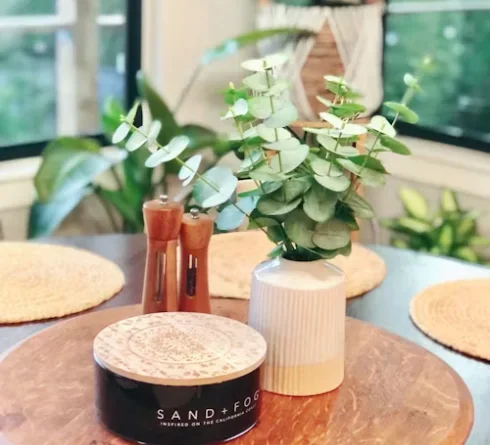
Your centerpiece should fit the style of your dining room. If the room has warm wood colors, go for natural items. Woven baskets suit it. Ceramic vases do too. In a modern room, pick simple glass vases. Or add metal touches. These match the clean lines of new furniture. Keeping materials and colors the same helps everything look connected. It does this in a quiet way.
Creating a Focal Point for Conversations
A smart centerpiece pulls eyes toward it. It starts talks among guests. People spot small details. Think about different textures. Or odd shapes. Maybe mix plants with solid objects. It does not need to be fancy. Just one strong item in the middle can do the trick. It sparks interest. It builds links during meals. In my experience, a single blue vase with white flowers once got everyone sharing stories about their gardens.
How Can Color Schemes Enhance Your Dining Table Centerpiece?
Colors matter a lot in how a centerpiece feels. They shape its role in the space. The best choices can bring warmth. Or add grace. They might give a fresh feel too. This depends on the event and time of year.
Selecting Colors That Complement the Room
Start by looking at the main colors in your room. Check the walls. Look at the chairs’ fabric. See the rug designs. Then choose colors that go well with them for your centerpiece. If the room uses soft colors, add bright spots. Emerald green leaves work. Deep red candles are nice. But if the space has bold colors already, use whites. Or light pastels. They keep things calm. They stop the eyes from feeling too busy.
For example, in a room with gray walls, I added yellow flowers once. It brightened the whole area without clashing.
Using Contrasting Hues for Visual Interest
Putting different colors next to each other adds excitement. It gives depth to the setup. Navy blue cloths with gold candle stands look sharp. White blooms on dark wood tables stand out. These mixes play with light. They change as the day goes on. The table looks different at lunch. It shifts again at dinner. Sometimes, that small change makes the room feel alive in new ways.
Incorporating Seasonal Colors for Freshness
Change colors with the seasons. This keeps the table lively all year. In spring, try soft pinks and greens. Fall calls for orange shades and earthy browns. Winter likes silvers and rich reds. This method updates the look. It makes hosting feel planned out. Plus, it saves effort. You just swap a few items. No big overhaul needed.
Why Is Sustainability Important in Centerpiece Design?
Being kind to the planet matters in today’s designs. This includes your dining table. Picking green materials means pretty setups without harm to nature.
Choosing Eco-Friendly Materials
Look for items from sources that grow back. Bamboo trays are great. Recycled glass vases fit well. Dried plants work too. Skip plastic stuff. These picks cut down on harm to the earth. They bring a natural feel to your table.
I’ve seen tables with bamboo bases at eco-friendly events. They lasted through many uses and looked just as good.
Implementing Reusable Decorative Elements
Items you can use again help a lot. Ceramic bowls are one example. Metal candle holders count too. Change what goes inside them for different times. Put flowers in one week. Add fruit the next. This way saves cash. It cuts trash. You still get to be creative. Over time, these pieces become favorites in your home.
Reducing Waste Through Minimalist Designs
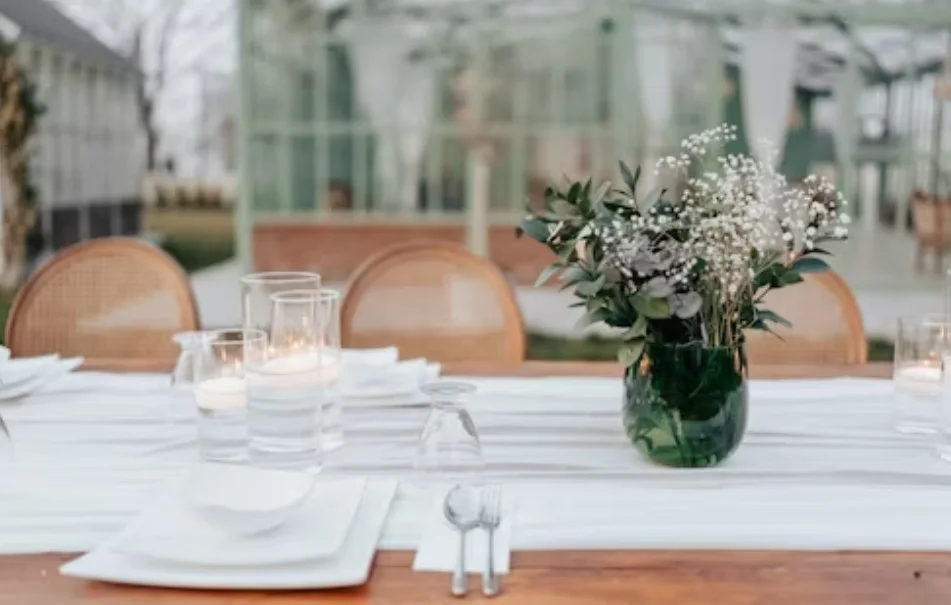
Simple styles help the planet. They push you to pick wisely. One nice vase with green plants looks clean. It matches a big display. But it uses less stuff. Simple setups show off the work put into each item. They highlight the materials. No need for too much. In fact, less can feel more rewarding sometimes.
What Role Do Flowers Play in Table Centerpieces?
Flowers never go out of style in these designs. They add life to the table. They bring smells. They give a soft sway. All this fits any spot.
Choosing Appropriate Flower Types for Different Occasions
For fancy meals, pick classy flowers. Lilies show poise. Orchids do the same. For relaxed get-togethers, simple ones like daisies fit. Wildflowers work here too. At special events, match the flowers to the theme. Poinsettias suit winter parties. Sunflowers brighten summer meals. This choice makes the table feel right for the day.
Arranging Flowers to Maximize Visual Appeal
Make heights different in the bunch. This adds layers. It keeps views clear. Mix big main flowers with tiny ones. They fill space well. The whole thing flows along the table. Guests see it from all sides. It draws them in without blocking talks.
Maintaining Freshness and Longevity of Floral Arrangements
To keep flowers going longer, cut stems at an angle. Put them in fresh water. Add a flower food mix. During meals, stay away from bright sun. This stops them from drooping too soon. It’s a tiny step. But it helps big events run smooth. Flowers last through the night that way.
How Can Candles Elevate a Dining Table Centerpiece?
Candles change the feel right away. They add soft light. This brings a cozy touch. It makes dinners stick in memory.
Selecting Candle Types and Sizes for Impact
Long taper candles give a fancy air. They suit dressy spots. Thick pillar ones add steadiness. They go with country looks. Small tealights give a gentle shine. They fit tight tables. Vary the sizes. This stops things from looking flat. Keep it even on both sides.
At a dinner for eight, mixing tall and short candles made the light dance across faces. It felt magical.
Arranging Candles Safely and Effectively
Place candles so the fire stays clear of talks. Keep them from cloth or hands. Use holders from safe stuff like glass. Or pick metal. They stop mishaps. They look good too. Safety first, always.
Combining Candles with Other Elements for Ambiance
Put candles near shiny things like mirrors. This spreads the light more. It works well for evening meals. Add plants or rocks around them. The mix of fire and nature feels warm. The light flickers on shapes. It touches the heart in ways other items can’t.
What Are the Benefits of Using Vases in Centerpieces?
Vases do two jobs. They hold flowers steady. They add different forms to the setup.
Selecting Vase Styles to Match the Theme
A clear crystal vase fits old-style rooms. A dull ceramic one goes with plain Nordic looks. Colored glass suits mixed spaces. Pick vase feels that match the room items. This ties all parts together. It works across what you see in the dining spot.
Arranging Vases for Height Variation and Depth
Group vases in various sizes. This makes a pattern down long tables. It avoids crowding dishes or drinks. Tall ones hold the center. Short ones ease the sides. Designers use this in eateries. Tables there look pro without fuss.
Pairing Vases with Complementary Decorative Items
Mix vases with little statues. Add stones or candles close by. Each part boosts the others. They do not fight for attention. Keep sizes in check. Nothing should take over. Unless you want one star piece. Then let it shine.
How Do Decorative Bowls and Platters Contribute to a Centerpiece?
Bowls and platters give a solid base. They hold light things like blooms or lights. They offer real use at meals too.
Choosing Bowls and Platters That Suit the Table Setting
Pick materials that match your plates. Fine porcelain bowls go with china sets. Wood platters pair with clay dishes. Same feels across items show care. It sets a nice tone before eating starts.
Displaying Items Creatively Within Bowls and Platters
Put season fruits in bowls. Lemons for warm months. Pinecones for cold ones. Or add shiny beads. They catch light well. On platters, layer things. Shells with wood bits for beach themes. These ideas make the table fun to look at.
One time, a bowl of oranges added a fresh scent to brunch. Guests loved picking one up.
Integrating Bowls and Platters with Other Centerpiece Components
When you add them with care next to flowers or candles, they bring order. They balance the soft parts. Flowers move a bit. These hold firm below. The mix makes a lively balance. It’s great for skilled table setups. Everything works as one.
FAQ
Q1: How tall should a dining table centerpiece be?
A: Ideally below eye level so guests can converse freely without obstruction—typically under 12 inches works best for most settings.
Q2: Can artificial flowers look elegant on a formal table?
A: Yes, high-quality silk blooms styled properly within tasteful containers often appear indistinguishable from real ones under ambient lighting conditions.
Q3: What’s an easy way to make my everyday centerpiece feel festive?
A: Swap small details seasonally—add miniature pumpkins in autumn or sprigs of holly around winter holidays without changing base elements entirely.
Q4: Are scented candles appropriate on dinner tables?
A: Lightly fragranced options are fine but avoid strong scents that could clash with meal aromas; unscented varieties remain safest choice during multi-course dinners.
Q5: How often should I change my dining table centerpiece?
A: Refresh monthly if using fresh materials like flowers; otherwise adjust quarterly alongside broader decor updates to keep visuals engaging year-round.