
Construction Safety: Best Practices for Workers and Buildings
Construction sites rank as some of the busiest and most dangerous places to work. Each year, many workers run into risks that good planning, training, and a solid safety mindset could avoid. For folks in this line of work, staying safe goes beyond just following rules. It is a duty that touches people’s lives and keeps projects on track. This piece looks at key points on boosting safety for workers and structures with tried-and-true methods. Think about a busy urban build where a small slip could change everything—safety keeps things steady.
Why Is Construction Safety So Important?
Safety in construction holds up every solid project. Without it, even top-notch plans or expert crews hit roadblocks from mishaps, holdups, or legal troubles. The big reason for safety shows up in keeping workers out of harm’s way. It also protects the lasting strength of buildings and a company’s good name. In my view from years in the field, skipping safety often leads to bigger headaches down the line.
Worker Protection and Health
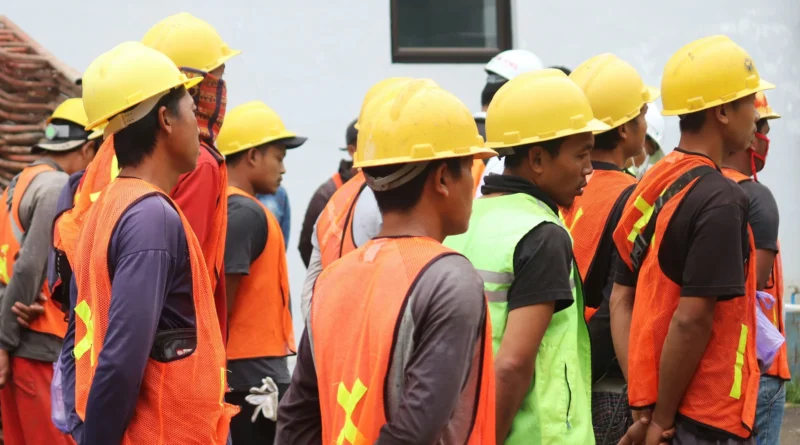
Jobs on construction sites put people near high spots, big machines, power setups, and risky stuff. Putting worker safety first calls for making sure everyone uses personal protective equipment (PPE) like helmets, gloves, and harnesses. It also means setting up good break times to stop tiredness from causing errors. Plenty of companies now use simple tracking tools that watch how workers move around. These spot bad habits early and help dodge accidents. For instance, on a recent bridge project, such monitors caught a worker nearing an edge and alerted the team just in time.
Legal Compliance and Liability Reduction
Rules like OSHA standards in the U.S. or ISO 45001 around the world lay out clear ways to shield workplaces. Following them cuts down on lawsuit worries and lowers insurance bills. It keeps projects moving without stops. Breaking these rules can bring heavy fines or force sites to shut down. One firm I know faced a shutdown after ignoring wiring checks, costing them weeks and thousands in fixes.
Project Quality and Efficiency
A site where safety comes first runs smoother. Workers who feel safe get more done. They face fewer breaks from hurts or probes. Plus, sticking to safety steps often means better work quality. Tasks get done carefully, not in a hurry. Data from a 2022 industry survey showed safe sites finished 15% faster on average, proving the point.
What Are the Common Hazards on Construction Sites?
Each build site brings its own troubles based on size and setting. Still, some dangers pop up often no matter the job or place.
Falls from Heights
Dropping from up high tops the list of deadly events in construction, per OSHA numbers from 2023. Things like shaky scaffolds, open sides without barriers, or wrong ladder handling cause most of these. Putting up guardrails helps a lot. Fall arrest systems do too. And checking gear each day cuts these problems way down. Picture a roofer on a steep pitch; one loose board could spell disaster without proper ties.
Struck-By and Caught-In Accidents
Machines such as cranes or excavators bring struck-by chances when drivers can’t see well. Trench walls can cave in fast too, trapping folks inside if the dirt lacks support. Having spotters help with vehicle moves. Trench box rules keep things safe. These steps lower the risks big time. In one case on a road dig, a spotter’s call stopped a loader from backing into a crew, saving injuries.
Electrical Hazards
Bad wires, damp spots, or tools without ground links make big electrical threats. Checking cords and plugs often keeps things safer. Lockout-tagout steps make handling powered lines during fixes or setups less risky. Workers on a factory reno last year avoided shocks by sticking to these checks religiously.
How Can You Build a Strong Safety Culture?
Building a real safety habit takes time. It comes from steady backing by bosses and input from everyone on the team.
Management Commitment
Bosses need to lead by example. They should show up on site often and chat openly about close calls or problems. When leaders make safety a main focus, not just a to-do list, the team picks it up. It’s like the head chef tasting every dish—sets the standard for all.
Worker Training Programs
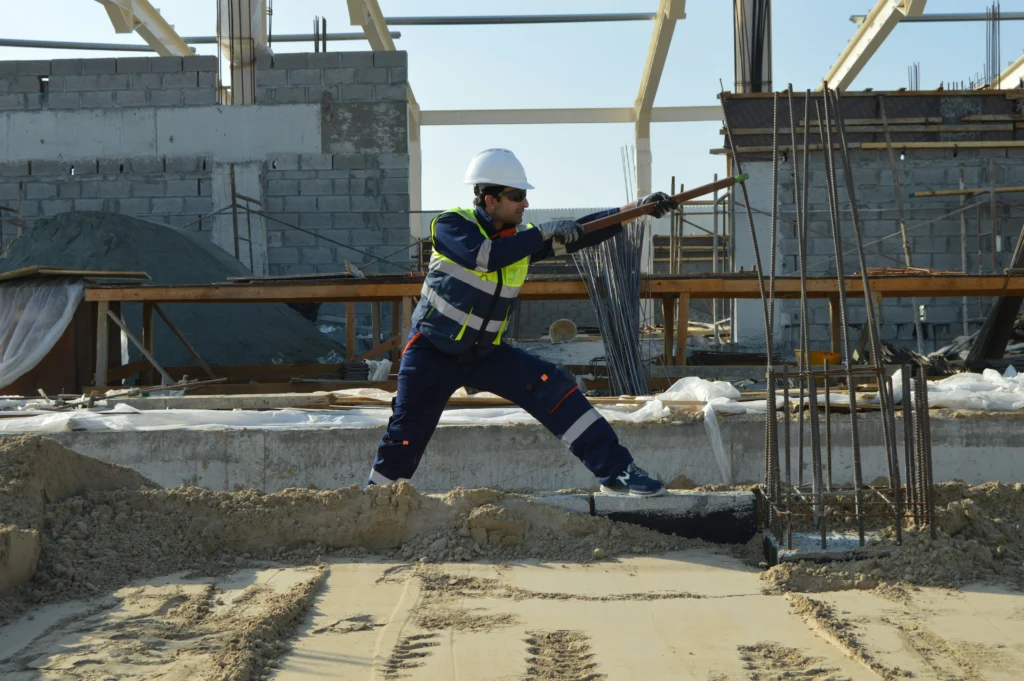
Training can’t stop at the start. Regular updates on spotting dangers, handling emergencies, and using new gear keep everyone sharp. Sessions led by coworkers often hit home better. They draw from real stories, not just boss talks. A team I worked with used buddy training for scaffold setup, and it dropped errors by half in months.
Communication Channels
Good talk stops little worries from turning big. Short morning huddles let groups cover that day’s site risks before digging in. Online forms let folks report bad spots without names if they want. This builds trust. On a high-rise job, these talks caught a loose cable early, preventing a potential blackout.
Which Technologies Are Transforming Construction Safety?
New tools change how teams handle dangers on site. They give clear info on worker actions and site conditions. It’s exciting to see how these make old jobs safer, though nothing beats good old common sense.
Wearable Devices for Monitoring
Helmets or vests with built-in sensors spot drops or check signs like heartbeat in hot weather. They ping bosses right away for quick help. On a hot summer pour, one vest alerted to a worker’s overheating, getting him shade and water fast.
Drones for Site Inspection
Drones give bird’s-eye views to find weak spots or risky zones without sending people up. They shine for checking tall building sides or bridge parts where climbing is dicey. A bridge check with a drone last year found a crack no one saw from ground level, fixing it before traffic rolled on.
Building Information Modeling (BIM) Integration
BIM lets groups test build steps on computers first. It spots mix-ups, like pipes crossing wires, before real work starts. This cuts extra jobs that could put workers at extra risk. In a hospital build, BIM caught a vent clash, saving hours and keeping the air safe from dust.
How Does Training Influence Long-Term Safety Outcomes?
Training shapes how people act right away. It also changes habits for good in the group over years.
Skill Competency Development
Folks with practice sessions handle jobs with more sureness and care. They get why steps matter and what could go wrong. Take crane drivers who learn about weight shifts. They mess up less than those going by gut feel alone. A training camp for riggers improved lift safety scores by 20% in follow-up tests.
Behavioral Reinforcement
Doing things over and over makes them stick. Safe moves, like double-checking harness hooks before a climb, become automatic. Over time, fewer slip-ups happen. It’s like riding a bike—practice makes it natural.
Leadership Training for Supervisors
Overseers shape what happens each day more than any rule book. Training for them covers showing right ways in front of everyone. It teaches fixing bad moves with helpful words, not scolds. One site boss after training turned his crew’s safety chats into real team boosters.
What Role Does Equipment Maintenance Play in Safety?
The best crew can’t stay safe with beat-up gear. Upkeep is key to smooth runs.
Regular Inspection Schedules
Set check times to catch flaws early, before a breakdown hits during use. Lists for brakes, fluids, lights, and covers must happen before shifts. On a fleet of loaders, daily peeks stopped a brake fail that could have tipped a load.
Record Keeping Systems
Online logs track fix histories for many machines on big sites. Auto pings remind for due services. This avoids skips during key tasks, like hoisting beams. A logging app on one project flagged a overdue hydraulic check, averting a spill.
Supplier Quality Assurance
Teaming with trusted sellers means parts hold up to tough jobs. No skimping on cheap bits that break under pressure. In rough weather builds, quality parts kept excavators running without hitches, unlike a rival’s cheap swaps that failed twice.
FAQ
Q1: What Is the Most Common Cause of Fatalities in Construction?
A: Falls from heights remain the top cause according to OSHA reports (2023), accounting for roughly one-third of all deaths each year in construction sectors worldwide. It’s a stark reminder—simple barriers could save so many.
Q2: How Often Should Safety Training Be Conducted?
A: Refresher courses should occur at least annually; however, high-risk roles may require quarterly updates depending on regulatory requirements or company policy changes. Tailor it to the job’s demands for best results.
Q3: Can Technology Replace Human Supervision on Site?
A: No technology fully replaces human oversight; digital tools complement supervision by providing real-time alerts but decision-making still relies heavily on experienced personnel judgment. Humans bring the gut feel tech can’t match.
Q4: Why Is PPE Compliance Sometimes Low Among Workers?
A: Discomfort or lack of fit often discourages consistent use; involving workers in PPE selection processes improves comfort levels leading to higher compliance rates overall. A comfy helmet makes all the difference on long days.
Q5: How Do You Measure Success in a Safety Program?
A: Success isn’t only lower accident numbers but also improved reporting culture where near misses are documented openly without fear of blame—showing maturity within organizational safety mindset across all levels. It’s about building that trust over time.