
The Importance of Urban Design in Modern Cities
Urban design goes beyond just placing buildings and streets. It really shapes daily life, travel, and social ties. In today’s cities, crowds keep growing, and green living issues pile up. This field plays a big part in making places comfortable and tough against problems. This piece looks at why urban design counts so much. It also covers how it affects people and nature. Plus, it shares basic ideas that lead to good city planning now.
Why Is Urban Design Crucial for Modern Urban Growth?
Cities change fast because of more people, folks moving in, and new tech. If there’s no careful planning in urban design, growth can cause traffic jams, dirty air, and broken communities. Take big spots like Jakarta or Lagos. There, random spreading hurts roads and daily comfort. Smart urban design keeps things in check. It matches building with what people need. This way, it builds tight-knit areas that boost easy access, security, and a sense of place.
Spatial Organization and Human Interaction
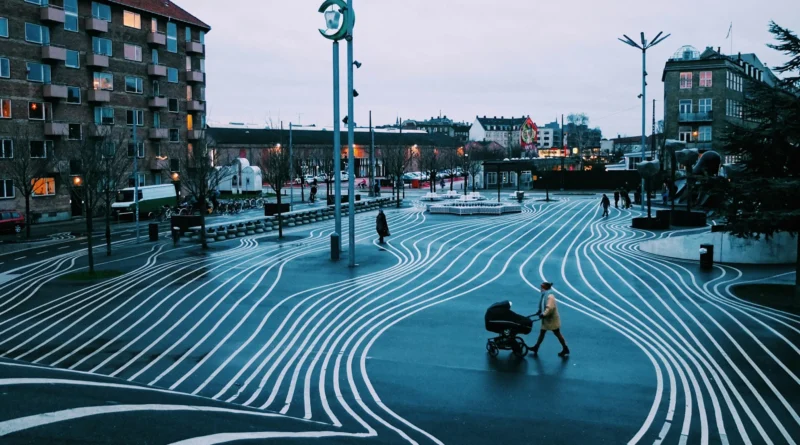
How streets, parks, and structures fit together changes how folks mix. Tight road patterns push walking and chats with others. But spread-out setups cut people off. Jane Jacobs once said lively cities need “eyes on the street.” That means busy open areas where safety comes from being around others. Good urban shapes build these everyday meetings naturally. I recall walking through old town squares in Europe—everyone nods or stops to talk. It’s simple stuff that binds a place together.
Infrastructure Integration
Urban design links real-world setups like travel routes, water lines, and plant areas. It makes them work well as a team. For instance, adding bike paths to bus systems cuts down on car use. The European Commission’s 2020 report on green travel pointed out something key. Cities that focus on mixed transport options saw traffic fumes drop by as much as 30% (European Commission, 2020). That’s a real win for cleaner streets, especially in busy spots where kids play nearby.
Social Equity Through Design
Choices in design decide who gains from city changes. Fair urban design makes sure everyone—from rich to poor, able to not—reaches help and spots easily. Ideas like universal design keep paths smooth for wheelchairs. Mixed homes for different budgets stop splits in groups. When open areas spread out fairly, cities feel more united. Think about a park where all ages gather; it levels the field a bit.
How Does Urban Design Shape Environmental Sustainability?
Today’s cities deal with heavy nature pressures: hotter weather, flood dangers, and bad air. Urban design fights back with smart space plans that help keep nature steady.
Green Infrastructure Systems
Things like green roofs, rain absorbers, and soft ground covers handle water the natural way. They also cool down hot city spots. Singapore’s “City in a Garden” plan shows this in action. Almost half its space has plants built into roofs and roads (National Parks Board Singapore, 2023). These setups cut down heat traps and freshen the air. In rainy seasons, I’ve seen how such gardens stop floods from ruining homes—practical and pretty.
Compact Development Patterns
Tight city styles use less ground by packing homes near bus stops. UN-Habitat’s 2022 Global Report on Human Settlements shared solid facts. Such close building can lower energy use per person by up to 20%. It shortens trips to work and saves on building costs. At the same time, it saves open lands outside towns. Density isn’t always bad; it’s about smart stacking, like apartments over shops.
Renewable Energy Integration
Urban design fits in clean power tools too—sun panels on tops or wind paths between high-rises. This drops harmful gases. Places like Copenhagen weave these into big plans to hit zero-waste by 2050 (Copenhagen Climate Plan 2050). From bike paths to solar setups, it’s all connected. One Copenhagen neighborhood even powers its lights from local wind—cool how tech meets daily needs.
What Role Does Urban Design Play in Public Health?
Health results often link straight to how places are built. Bad city setups lead to lazy habits and dirty air hits. Good ones push steps and calm minds.
Walkability and Active Living
Easy-to-walk blocks—with steady paths, cool shade, and close shops—get people moving every day. A study in The Lancet Planetary Health (2018) showed clear results. Folks in walkable spots were 25% more likely to hit fitness goals than those stuck with cars. Short strolls to the store add up; it’s not gym time, just real life.
Access to Green Spaces
Parks give a break from packed city buzz. Work from the World Health Organization (WHO) proves it. Being near plants cuts worry and heart risks (WHO Urban Green Space Report, 2016). Cities like Melbourne push for parks in a quick ten-minute walk for all. Even a small bench under trees can change a tough day—nature’s quiet fix.
Air Quality Improvement
Choices like tree rows along roads clean air without machines. Trees pull in bad stuff like nitrogen dioxide and dust bits. Studies say one full-grown tree grabs up to 48 pounds of CO₂ each year (U.S. Forest Service Data). Better air means fewer coughs and breaths easier. In smoggy areas, these green lines make a big difference, almost like free filters.
How Does Technology Influence Contemporary Urban Design?
Tech tools now support lots of planning parts—from gathering info to handling city flows in the moment.
Smart City Infrastructure
Sensors in streets or lights track car moves and power use. Barcelona’s smart lights save about €37 million a year by adjusting brightness (Barcelona City Council Data). This info helps planners tweak setups based on what people actually do. It’s like having eyes everywhere, but helpful, not creepy—think fewer dark alleys at night.
Digital Twin Modeling
Digital twins act as copy worlds of real places. They let teams test new builds before digging starts. These models check air currents near towers or crowd jams at crossings with spot-on detail. No more guesswork; it’s trial runs on screens. Planners in big projects swear by them—saves time and headaches.
Community Participation Platforms
Tech opens doors for folks to join in. Online spots let people share thoughts on ideas or even sketch open areas together. This team way builds openness and faith between locals and experts. In one town hall app, votes shaped a new park—real power to the people.
Can Urban Design Strengthen Cultural Identity?
More than use, cities show shared past through looks and style. Careful design keeps old stories while adding fresh twists.
Preservation of Historic Fabric
Projects that reuse old spots turn factories into fun work areas without wiping history. London’s King’s Cross redo kept old brick buildings and mixed in new offices. It’s a fine example of holding onto roots during fresh starts. Walking there, you feel the layers of time—Victorian charm meets modern buzz.
Local Materials and Craftsmanship
Picking nearby stuff ties builds to the area’s feel. In Marrakech or Kyoto, old skills shape new spots that fit the local vibe, not cookie-cutter looks. Stone from hills or woven screens add warmth. It’s not fancy; it’s honest, like using family recipes in cooking.
Public Art Integration
Wall paintings, statues, or fun setups add heart to common spots. Public art turns plain squares into spots folks know and love. It builds group pride. A colorful mural in a alley can spark stories—sudden landmarks that stick.
How Can Urban Design Address Social Resilience?
Cities face hard hits—money slumps, sickness outbreaks, weather wrecks—and bounce back fast. Tough design adds bend to the setup.
Mixed-Use Neighborhoods
Blending homes, shops, and town spots makes areas that stand alone. They’re less hit by breaks. In COVID-19 shut-ins, these zones handled it better. Key needs were just steps away. No long drives for basics—keeps life going smooth.
Modular Construction Approaches
Piece-by-piece builds let quick fixes after shakes or fast adds when crowds grow sudden. Japan uses this in quake rebuilds since 2011. Snap-together parts speed things up. It’s like Lego for cities—flexible and strong.
Community-Centered Planning
Toughness comes from strong ties too, backed by open spots where groups team up in tough times. Shared benches or markets build those links. During storms, neighbors who know each other help first—design plants those seeds.
What Are the Future Directions for Urban Design?
New paths lead to flexible ways that stress reuse loops and nature blends as main plans for green city life. But honestly, not every city jumps in quick; some lag due to old habits.
Circular Urban Systems
Coming cities plan to reuse junk on site. Turn food scraps to dirt for local plots or clean used water for plant drinks. This tightens resource circles well. One pilot in a small town cut waste by half—small steps add up.
Biophilic Design Principles
Bringing plants in at all sizes—from roof grows to wall vines—fixes nature jobs in tight spots. It boosts inside ease too. Feel the calm? It’s like a mini forest in the concrete jungle. Experts say it cuts sick days at work.
Policy Integration Across Scales
Good ahead planning needs team-up between town rules on homes, rides, power, and wild life saves. Each should help the rest, not fight. In practice, it’s tricky—budgets clash. But when it clicks, cities thrive. Take a look at integrated plans in smaller European towns; they set examples without big drama.
FAQ
Q1: What distinguishes urban design from architecture?
A: Architecture focuses on individual buildings; urban design addresses relationships among them—the streetscapes, public spaces, infrastructure networks—that shape entire neighborhoods or districts.
Q2: How does good urban design affect property values?
A: Well-designed areas with accessible amenities typically see higher property values due to improved livability perceptions among residents (Urban Land Institute Report 2021).
Q3: Is high-density development always sustainable?
A: Not automatically; density must pair with efficient transport systems and green space access to avoid overcrowding effects such as heat buildup or reduced social cohesion.
Q4: What role do citizens play in shaping their city’s design?
A: Participatory planning processes invite citizens to provide feedback through workshops or digital platforms so final designs reflect community needs rather than top-down assumptions.
Q5: Which global city currently exemplifies best practices in urban design?
A: Copenhagen is widely recognized for integrating sustainability with human-centered planning—balancing cycling infrastructure, renewable energy adoption, and cohesive neighborhood layouts toward carbon neutrality goals by mid-century.