
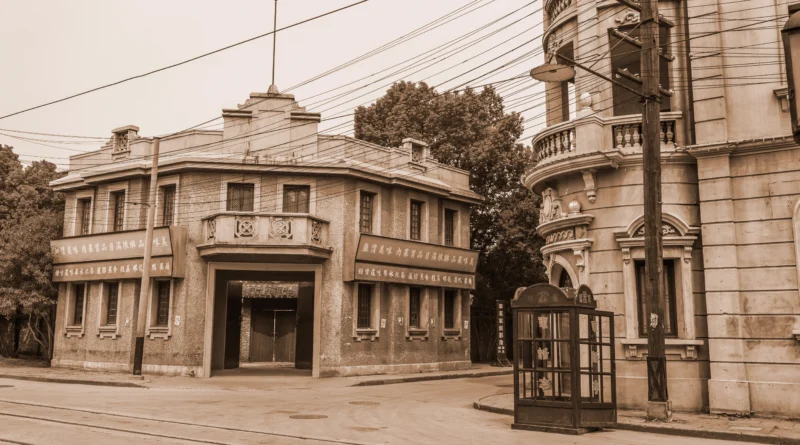
How Urban Design Shapes the Future of Our Communities
Urban design goes beyond just placing buildings and streets. It really affects the way folks live, travel, and chat in towns. For folks working in planning, architecture, and policy, this area links everyday actions with the layout of spaces. This piece looks at how urban design impacts the coming years of neighborhoods. It covers things like keeping things green, new tech, getting around, and local ways of life. Sometimes, I think about how a simple park can change a whole block’s feel—it’s those small touches that make a big difference.
How Does Urban Design Influence Community Life?
Urban design sets up the basic setup for everyday routines. The spot for parks, paths, and open areas changes how people bump into each other and build bonds. A smartly laid-out area pushes folks to stroll and have quick chats that build stronger links among neighbors. On the flip side, badly thought-out spots can leave people feeling alone or less keen to join in town events. Take a busy street with no benches—people just hurry by, missing chances to connect.
Public Space as a Social Platform
Open squares, open areas, and river edges act as spots where people come together. These places show what the neighborhood stands for. When they are easy to reach and open to everyone, they help folks feel part of the group. Planners often mix different uses in zones to keep these spots buzzing all day. Think of coffee shops early on, stalls around lunch, and shows after dark. Places like Copenhagen and Melbourne prove how free public spots can shift the vibe of city life. In Melbourne, for instance, their laneways turned from back alleys into lively hubs with street art and food stalls, drawing crowds year-round.
Walkability and Human Interaction
Streets that are easy to walk on spark unplanned meetings. Jane Jacobs pointed this out years back in her book about keeping an eye on the road. Paths with stores, trees, and seats pull people to hang around instead of speeding past. Facts from the American Planning Association in 2022 point out that areas with top walk scores have better local money flow and fewer break-ins. It’s not just numbers; I’ve seen how a tree-lined block in my own town keeps kids playing safely while parents chat on stoops.
Housing Diversity and Social Inclusion
A mix of home styles—like flats, linked houses, and shared setups—helps keep the people balanced. If towns only put up fancy homes or far-off suburbs, they might split folks by wallet size. Design that blends money levels and purposes can stop this split. It keeps key workers near their jobs and handy spots. For example, in mixed areas, a teacher can live blocks from school without a long drive, which saves time and cuts down on traffic jams.
Why Is Sustainable Urban Design Essential for the Future?
Keeping things green now sits at the heart of urban design. That’s because towns use more than 70% of the world’s power, as per UN-Habitat in 2023. Planners weave nature-friendly setups right into the city shape. They don’t leave them as last-minute adds. And honestly, with weather getting wilder, it’s not just nice to have—it’s a must. Cities that skip this end up with flooded streets or hot summers that chase people indoors.
Green Infrastructure Integration
Plant-covered roofs, water-absorbing ditches, and flower beds handle rain in a natural way. At the same time, they cool down hot city spots. Singapore’s plan for a “City in a Garden” shows how packed building can pair with lots of plants via tall green walls. There, you see vines climbing high-rises, which not only looks pretty but also cuts air conditioning bills by shading buildings from the sun.
Compact Development Patterns
Tight city layouts shorten travel paths and lower setup costs. Transit-oriented development, or TOD, groups homes near stops to cut back on car use. Research from the World Bank in 2021 notes that TOD can drop each person’s pollution by as much as 30% over spread-out styles. Picture a neighborhood where the bus stop is just a five-minute walk—folks grab a quick ride instead of firing up the engine, and local shops get more customers on foot.
Renewable Energy in Design
City shapers team up more with tech experts to fit sun panels into building sides or small power nets into blocks. This setup lets neighborhoods run on their own during power outages. In places like parts of California, community solar setups mean a whole street can share clean power, and it even helps during blackouts from storms.
How Does Technology Transform Modern Urban Design?
Tech gadgets are changing how we plan and build cities. From number-based models to clever setups, these tools shift how towns work day to day. It’s exciting, but sometimes overwhelming—planners have to learn fast to keep up.
Smart City Infrastructure
Sensors track car flow, air freshness, and power use right away. In Barcelona, their bright lights dim or brighten based on who’s walking by. This cuts power use by 30%. These changing systems make cities quick to react, not stuck in place. Imagine strolling at night and lights popping on just for you—it feels safer and saves bulbs from burning out too soon.

Data-Driven Planning Tools
Maps on computers let planners see people patterns at a glance. Practice programs guess how crowds will move before any building starts. This avoids big money wastes down the line. For one project I read about, they simulated a market square and spotted a bottleneck early, saving weeks of fixes.
Digital Participation Platforms
Getting folks involved now happens online with video meetings or see-through reality views. Residents can check out planned builds from their phones at home. This pulls in more voices, especially from busy parents or far-off workers who couldn’t make it to in-person talks.
What Role Does Mobility Play in Shaping Urban Form?
How people get around sets how easy it is to reach things—the key to a town’s money and social setup. The design of roads decides who gains from city growth. Without good paths, some spots stay cut off, like quiet corners that never see shoppers.
Multimodal Transportation Networks
Towns that blend buses, bike paths, underground trains, and walking routes stand strong against jams or gas price jumps. Amsterdam’s full setup shows how putting bikes first lowers smoke without losing speed. Riders zip through on two wheels, and the air stays cleaner—plus, it’s cheaper than owning a car.
Street Hierarchy Redesign
Shapers now pick “complete streets” that fit all travelers the same. They skip big roads just for cars. Slimmer lanes calm down drivers on their own. Broader paths make it safer for walkers. In one U.S. city redo, they added bike racks and cut speeds, turning a scary road into a friendly route where families cross without worry.
Transit-Oriented Communities
Putting homes by transit points not only shortens trips but boosts tiny shops near stops. Steady walkers bring in steady sales. Think of a station with coffee stands buzzing in the morning rush—it’s a win for riders and owners alike.
How Do Cultural Factors Affect Urban Design Decisions?
Local ways add heart to places. They shape looks as much as practical sides. Skipping a area’s roots can lead to bland spots that don’t click with locals. Culture isn’t just decoration; it’s what makes a bench feel like home.
Preservation of Heritage Fabric
Reusing old spots—like making factories into homes or art hubs—keeps past stories alive while fitting new wants. This shows up in London’s King’s Cross project, where old factory bones hold up fresh builds. Walk there now, and you see brick walls mixed with glass offices, blending old grit with new shine.
Local Materials and Craftsmanship
Picking stuff from nearby ties fresh builds to their spot in sight and cash flow. It backs home craftspeople. Using local stone, for example, cuts shipping costs and gives buildings a true feel, like they grew from the ground.
Symbolism in Public Art
Wall paintings or statues often tell group tales of moves or tough times. They turn plain spots into key marks that boost town pride. In a neighborhood mural project, artists drew family histories, and suddenly kids pointed out their grandparents’ stories on the wall.
How Can Urban Design Promote Healthier Lifestyles?
The way things are built sways how active people stay more than many know. Choices either push motion or lean toward sitting still. Good design nudges folks toward better habits without them even noticing.
Active Mobility Corridors
Non-stop bike trails from homes to jobs turn riding into an everyday pick, not just fun time. Link a park to an office block, and workers pedal in fresh air, skipping gym fees.
Access to Green Space
Being near plants lowers stress chemicals, as a 2019 study in Environmental Health Perspectives found. Tiny parks in tight areas give real health perks. Even a bench under trees can calm a rushed day, and studies show fewer doctor visits in green spots.
Air Quality Improvement Strategies
Roadside trees catch dust bits. Smart building angles boost fresh air flow, cutting need for fans that lock in bad air inside. Plant a row of maples along a busy avenue, and breath gets easier—simple, but it works wonders for lungs.
FAQ
Q1: What Is the Main Goal of Urban Design?
A: To shape physical environments that support social interaction, economic vitality, and environmental balance simultaneously rather than treating them separately.
Q2: How Does Good Urban Design Affect Safety?
A: Well-lit streets with active ground floors increase natural surveillance which discourages crime without heavy policing measures.
Q3: Why Is Mixed-Use Development Important?
A: It keeps neighborhoods lively throughout different times of day by blending residential commercial cultural functions within walkable distance.
Q4: Can Technology Replace Traditional Planning Methods?
A: No; digital tools enhance but cannot substitute human judgment about cultural context ethics or long-term livability considerations.
Q5: What Are Emerging Trends in Urban Design Post-2020?
A: Increased emphasis on climate adaptation flexible public spaces for outdoor work hybrid mobility systems integrating e-bikes scooters autonomous shuttles into cohesive networks across metropolitan regions.