
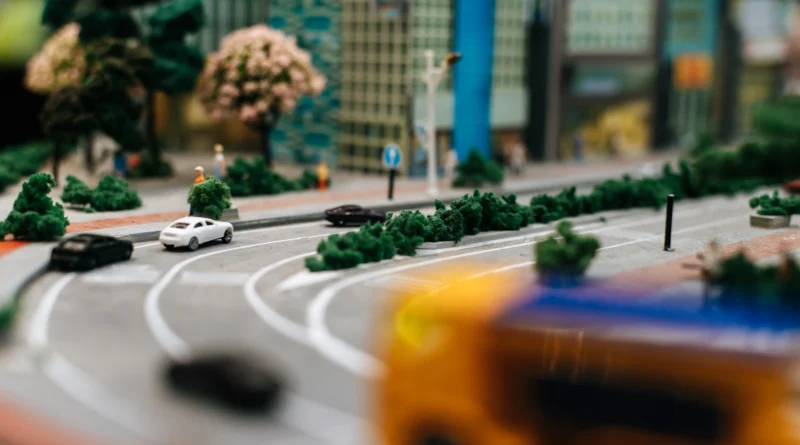
Key Principles of Urban Design: Creating Livable Cities
Urban design shapes how folks live, move, and link up in cities. It’s more than just buildings or roads. It creates spots that help human life, build community, and fit local nature and culture. For folks in planning and architecture, urban design links big-picture planning with close-up building work. This piece looks at main ideas that guide urban design. It shows how they help make cities easy to live in, tough against problems, and open to everyone.
What Defines a Livable City?
A livable city makes daily life simple but exciting. It mixes crowded areas with open spots. It balances getting around with feeling safe. It blends new growth with old cultural roots. Walk through places like Copenhagen or Melbourne. You see streets that feel right for people. Public areas buzz with activity. Basic setups quietly aid comfort. They don’t take over the scene.
Human-Centered Design
Urban design starts with people. Roads should put walkers first, not cars. They need to work for all ages and skills. Add benches, cover from sun, good lights, and easy paths. That makes strolling nice. A 2022 World Health Organization study says people in walkable areas move more. They also feel closer to neighbors. This idea goes past paths. It covers things like noise levels and small weather pockets. These affect how safe and cozy folks feel. Think about a busy park path. Soft sounds from birds help it seem welcoming. Harsh traffic noise? That pushes people away.
Mixed-Use Development
Cities do well when homes, shops, and fun spots sit close together. Mixed areas cut down on travel time. They spark chance meetings between locals. Jane Jacobs said diverse spots with “eyes on the street” boost safety. That’s still true. Planners now aim for 15-minute cities. In these, key services sit a short walk or bike ride away. I recall visiting a neighborhood in Portland. Shops below apartments meant quick coffee runs. No long drives needed. It felt real and handy.
Public Spaces as Social Infrastructure
Parks, open squares, river edges, and markets beat at a city’s social core. They host everyday chats to big events like rallies. They show what the area stands for. Good public spots bend to fit needs. A square might hold a weekend market. On weekdays, it turns into a calm lunch area. How well these work often ties to their borders. Busy ground levels with coffee shops or stores keep them alive all day. Take New York’s High Line. Old rail tracks now draw crowds. Flowers and seats make it a spot for talks or quiet reads.
How Does Connectivity Shape Urban Experience?
Connectivity sets how smoothly people travel through a city. It covers body movement and social links. A solid-connected city pushes folks to explore. It backs smart transport setups that ease traffic jams and cut pollution.
Street Network Patterns
Straight grid setups give clear paths and extra ways to go. But they can seem dull without changes in block sizes or uses. Winding street plans add appeal. Yet they might confuse if not easy to read. Smart urban plans mix the two. They offer clear bones with some twists for fun. A 2021 MIT Senseable City Lab study found something key. Cities with linked networks get up to 30% more walkers. That’s way better than spots full of dead-end streets or huge blocks. In my view, grids work great in flat spots like Chicago. But hills in San Francisco call for curvy paths that hug the land.
Multimodal Transportation Systems
A good city backs walking, biking, buses, and new rides like e-scooters. It treats them all fair. Safe bike paths away from cars change how safe riders feel. Copenhagen’s numbers prove it. After years of building protected lanes, over 40% of trips happen by bike. Riders zip past traffic. They arrive fresh, not stressed. Add in bus stops with shelters. That makes waiting bearable on rainy days.
Digital Connectivity in Physical Space
Cities grow into smart setups now. Digital links pair with real-world travel. Free Wi-Fi in parks or bus stops lets people work from anywhere. Touch screens give live bus times. But planners must watch privacy. They avoid spots that feel like constant watch zones. Imagine a bench with charging ports. It pulls in families for picnics. No one worries about hidden cameras spying.
Why Is Sustainability Central to Urban Design?
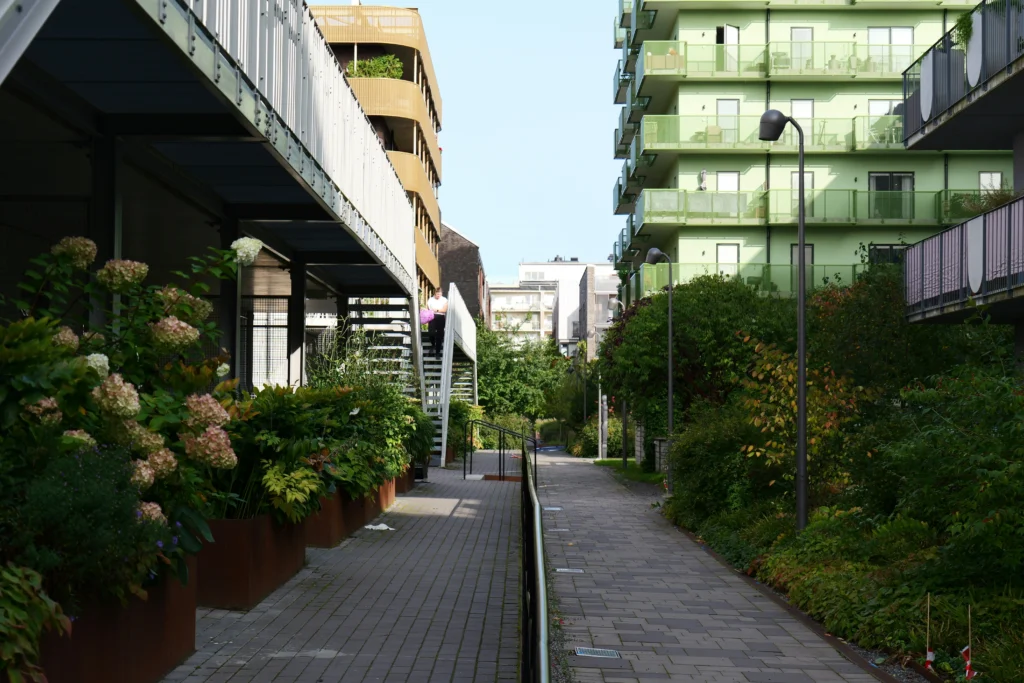
Sustainability keeps cities strong for the earth. It holds onto good living for kids down the line. Urban design matters a lot here. It forms how energy gets used. It picks materials wisely. It builds toughness against nature’s shifts, from small yards to whole districts.
Green Infrastructure Integration
Green roofs, water-absorbing gardens, and soft stone paths aren’t just pretty. They handle rain the natural way. They cool hot city spots too. Singapore’s “City in a Garden” plan shows it well. They mix plants with tight living spaces. Vines climb walls. Birds nest in planters. It feels alive, not concrete jungle.
Climate-Responsive Architecture
Buildings ought to match local weather. Don’t rely only on machines for cool or heat. Face them right for fresh air flows. Add shades to block sun. That drops power needs a bunch. A 2020 UN-Habitat report notes passive cooling saves up to 20% on bills in warm spots. In hot places like Dubai, wide overhangs keep indoors shady. Fans pull in breezes. No AC hum all day.
Resource Efficiency Through Compact Form
Tight urban shapes use less land. They lower setup costs for each person. They help strong bus lines too. But pack in quality. Give lots of natural light. Add air paths. Control noise. That keeps it nice to live in. Sprawl eats fields fast. Compact saves them for farms or walks.
How Do Cultural Contexts Influence Urban Form?
Culture adds heart to a place. Without it, cities turn into bland piles of structures. Folks lose touch with their roots.
Preservation of Heritage Fabric
Reuse old buildings wisely. It links old times to now. It skips wrecking junk too. London’s Tate Modern does this right. An old power plant now holds art. It keeps stories alive. Visitors wander halls that echo history. New lights highlight brick walls. No blank slate feel.
Local Materials and Craftsmanship
Pick stuff from nearby. It helps local workers. It keeps the place true to itself. In Marrakech’s medina or Kyoto’s machiya areas, old building ways shape the look. Even with new tech pushes, they hold on. Stone from local quarries fits the sun-baked vibe. Wood carvings tell family tales.
Community Participation in Design Processes
Bring locals in from the start. That builds plans that match real wants. Not top-down ideas. Group talks uncover small truths. Like best spots for meetups or hidden risks. Numbers can’t catch those. In one project I heard about, kids drew dream parks. That led to swings near schools, not far off.
What Role Does Technology Play in Future Urban Design?
Tech changes city workings. But it should help people, not run the show.
Data-Driven Planning Tools
Map tools let planners test crowd paths or warmth spread first. That sharpens choices. It cuts waste in building. Software shows heat maps on hot days. Planners add trees where needed. Simple tweaks save big on fixes later.
Smart Infrastructure Systems
Sensors in lights dim when no one’s around. They save power. Yet keep things comfy. Street lamps brighten for night walkers. It feels safe, not wasteful. In Tokyo, these cut energy use by 15%. Lights follow your steps home.
Ethical Considerations of Smart Cities
Auto systems bring ease. Think lights that change for flow or fixes before breaks. But who owns the data? How to dodge unfair choices in code? Clear rules matter. Cities like Barcelona share plans openly. Folks vote on sensor spots. That builds trust, not fear.
How Can Equity Be Embedded into Urban Design?
Equity makes sure every person gains from city upgrades. No matter money or roots. It’s a big worry now. Gentrification flips many world cities upside down.
Affordable Housing Strategies
Rules force builders to save spots for low earners. In mixed areas, that stops rich-poor splits. Old factory towns often see this gap. But shared blocks mix lives. Kids from all homes play together. Rents stay fair with caps.
Accessibility for All Abilities
Design for everyone. Paths with bumps help blind walkers. No-step doors let older folks ride easy. It builds self-reliance. Ramps at parks mean wheelchairs join games. Everyone laughs under the same sun.
Distribution of Amenities Across Neighborhoods
Fair cities spread parks, schools, and clinics even. Not just in rich zones. City checks now track this. Poor areas get swings too. Health spots pop up nearby. No long treks for checkups. That levels the field a bit.
FAQ
Q1: What Is the Primary Goal of Urban Design?
A: To shape built environments that support social interaction ecological health economic vitality simultaneously rather than focusing solely on aesthetics or efficiency metrics.
Q2: How Does Urban Design Differ from Architecture?
A: Architecture deals with individual buildings whereas urban design coordinates relationships among multiple structures spaces streets ensuring cohesive spatial experience at neighborhood scale.
Q3: Why Are Public Spaces Crucial for Livability?
A: They foster community engagement recreation informal commerce acting as democratic arenas accessible regardless of socioeconomic status strengthening civic identity overall.
Q4: Can High-Density Development Still Be Sustainable?
A: Yes when paired with effective transit systems energy-efficient buildings integrated green infrastructure density reduces per capita resource consumption significantly compared low-density sprawl models.
Q5: What Emerging Trends Will Shape Future Cities Most?
A: Integration artificial intelligence into planning processes circular economy approaches reusing materials emphasis mental health-supportive landscapes defining next-generation urban design paradigms globally.