
Sustainable Urban Design: Green Spaces and Eco-Friendly Buildings
Cities nowadays deal with two big problems. They must handle fast population growth. At the same time, they need to cut down on harm to the environment. Sustainable urban design tackles this issue. It mixes in eco-friendly buildings and easy-to-reach green areas into city plans. These parts do more than just boost air quality and save energy. They also lift the mood and health of people living in cities. This piece looks at ways modern cities can change. It focuses on smart building styles and careful planning of outdoor areas.
How Do Green Spaces Shape Sustainable Urban Environments?
City green spots—like parks, small gardens, and streets with plenty of trees—play a key role in smart city setups. They work like natural cleaners for the air. Plus, they cool down hot city spots and give homes to nearby animals. For folks in building design and town planning, the real puzzle is not if these green areas count. Instead, it’s about finding smart ways to fit them into packed city zones. Take a busy street in New York, for example. Adding a few trees there can make a real difference in daily life.
Environmental Benefits of Urban Greenery
Green areas help keep temperatures in check. They offer shade. They also cool things down through a process where plants release water vapor. Places like Singapore show this well. Their wall gardens and green roofs drop building heat by a few degrees. Plants soak up bad stuff in the air, too. Things like carbon dioxide and nitrogen oxides get pulled in. As a result, the air around gets cleaner for everyone. In hot summers, this can prevent some of the worst heat waves from hitting hard.
Social and Psychological Value
Being close to nature helps the mind a lot. Reports from the World Health Organization in 2023 back this up. People near green spots say they feel less stressed. They also report being happier with life. In crowded cities, tiny parks or green roofs can offer a quick break. Residents get a chance to relax. It’s like a small escape in the middle of the day. Sometimes, just sitting under a tree can change how you feel about the whole urban rush.
Economic Impact on Property Values
Areas with lots of green often see home prices go up. A study from the University of British Columbia in 2022 points this out. Being near parks can raise house costs by as much as 15 percent. This money side of things pushes builders to add green bits to their work. Developers see the value. They know it can make projects more appealing to buyers. Over time, this creates neighborhoods where everyone benefits from the fresh air and open spaces.
Why Are Eco-Friendly Buildings Central to Sustainable Design?
Eco-friendly buildings stand at the heart of green city growth. They cut down on energy use. They pick materials that come back from nature or get reused. And they run well from start to end of their life. The aim goes beyond lowering smoke from factories. It also builds better inside spaces for those who live or work there. Think about a family home that stays cool in summer without cranking up the AC. That’s the kind of real win we’re talking about.
Energy Efficiency Through Design
Smart planning tricks help save power. For instance, letting in more sunlight cuts the need for lights. Better air flow means less use of fans or heaters. Materials that hold heat steady also play a part. The Edge in Amsterdam shows this off. It’s known as a top green office spot. Its lights adjust based on who’s in the room. This setup slashes power needs a lot. In everyday terms, it means bills stay lower for years.
Use of Renewable Materials
Building with stuff that grows back or gets recycled is on the rise. Bamboo works well for this. Reclaimed wood from old spots adds charm. Low-carbon concrete keeps pollution down during making. These choices last long without hurting the planet much. The Bullitt Center in Seattle uses tons of wood from careful sources. It’s a solid example. Workers there feel good knowing their space helps the earth. Plus, the wood gives a warm feel inside.
Water Conservation Systems
New green buildings catch rain water for later use. They recycle water from sinks for other needs. This keeps waste low. Smart tools water plants just right. No extra splashing around. This matters a bunch in dry areas where water is scarce. Imagine a city block that saves enough to fill a pool each year. That’s the impact. It helps during tough times like droughts.
What Role Does Technology Play in Advancing Sustainable Cities?
Tech changes how towns handle stuff like power and watch over green efforts. Smart power networks and computer systems for buildings make it possible. They use facts from data to plan better. Just ten years back, this seemed like sci-fi. Now, it’s common in many spots. A quick note: not every city has caught up yet, which adds some unevenness to the progress.
Smart Building Management Systems
Sensors sit all over new buildings. They track heat, dampness, people around, and power use right then. Auto systems tweak lights or air controls based on that info. This keeps folks comfy. It also cuts down on throwaway energy. In a busy office, this might mean lights off in empty rooms. Simple, but it adds up over months.
Renewable Energy Integration
Sun panels and wind machines pop up in lots of green projects now. Storage batteries hold extra power from sunny or windy days. Then, it gets used when needed. This makes city setups more self-reliant. No waiting on far-off power plants. In places like California, this helps during blackouts from wildfires. It’s practical and forward-thinking.
Data-Driven Urban Planning
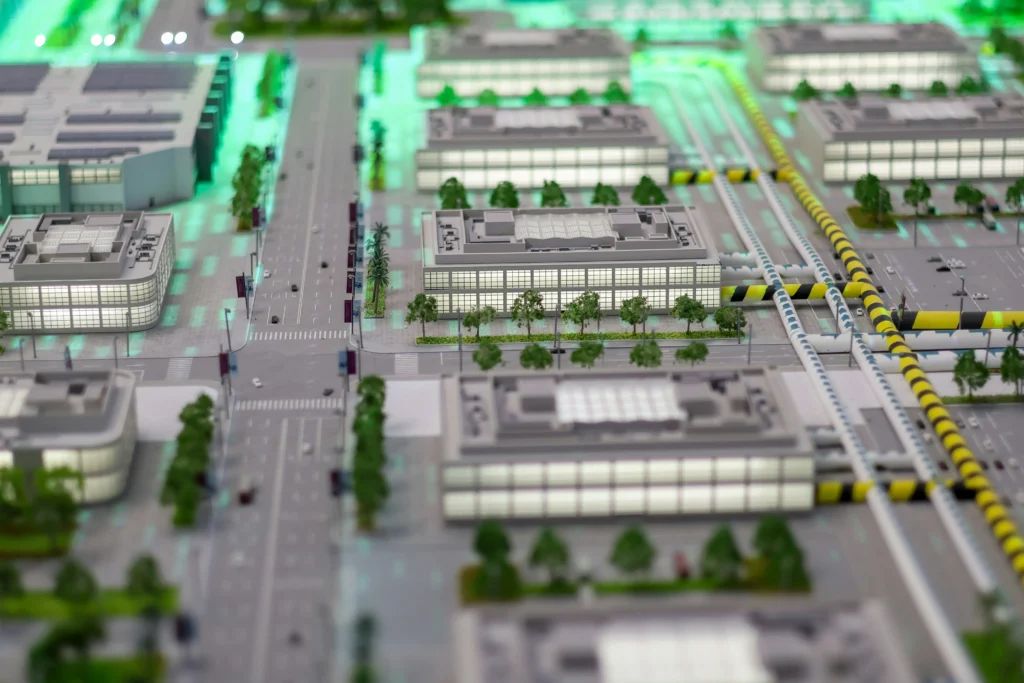
Town planners turn to map tools like GIS more and more. These show spots short on trees or with bad air. They mix in people data, too. So, fixes go where help is needed most. For example, a rundown area might get a new park first. This targeted approach makes changes stick better. It’s not random; it’s based on real numbers and stories from the ground.
How Can Policy Drive Sustainable Urban Transformation?
Government rules shape how cities turn green. Without strong guides that push for clean builds or save open lands, single efforts fall short. Big changes need backup from leaders. Policies set the path. They make sure everyone moves in the same direction. Sometimes, though, red tape slows things down a bit.
Incentives for Green Construction
Lots of cities give money breaks or faster okay from rules. This comes for builders who hit green marks like LEED or BREEAM scores. These perks make clean projects pay off for money folks. Investors jump in when the math works. It’s a win for the wallet and the world. One developer shared how this turned a risky idea into a success story.
Zoning Regulations Supporting Sustainability
Land rules can force a certain amount of green in builds. They might require setups to handle rain water. By putting green rules into local books, towns lock in good habits. It’s not just optional. Everyone follows. This builds lasting change. In practice, it means fewer floods and more trees in new spots.
Public-Private Partnerships
Teams of government and business speed up new ideas in green design. Look at London’s King’s Cross area remake. It mixes shops, homes, and offices. Growth happens alongside care for the earth. These links bring fresh thinking. They share costs and know-how. Results show in lively, clean neighborhoods that last.
How Do Green Spaces Interact with Eco-Friendly Architecture?
Green areas and green buildings work hand in hand. They shine brightest when planned as one big system in the city view. It’s not about keeping them apart. Together, they create a lively setup. In some cities, this mix turns dull blocks into welcoming places. A bit of creativity here goes a long way.
Biophilic Design Principles
Biophilic style links folks to nature inside builds. Think plant walls or small water spots. A study from Harvard’s T.H. Chan School of Public Health says this helps. Workers in these spaces score 15 percent higher on well-being. Compared to plain offices, it’s a clear boost. People stay sharper and happier. It’s like bringing the outdoors in without the bugs.
Vertical Gardens and Living Walls
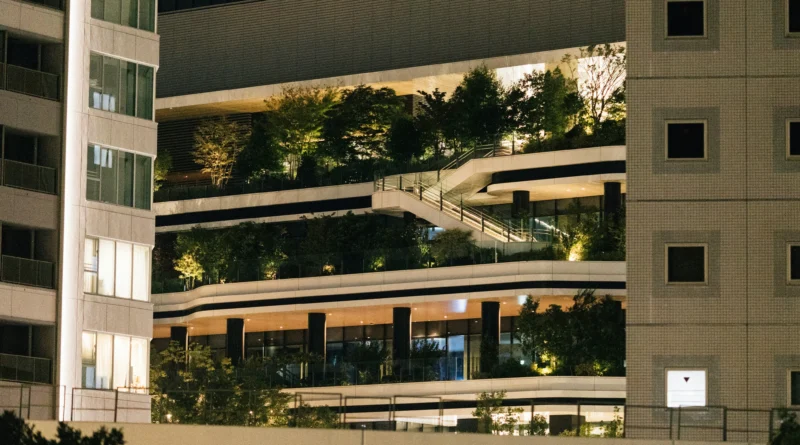
Wall gardens turn blank building sides into green life. They clean air and keep heat out naturally. Milan’s Bosco Verticale towers prove it. Even in tight spots, they help birds and bugs thrive. This adds color to the skyline. Maintenance takes effort, but the payoff in fresh air is worth it. Locals often stop to admire the view.
Rooftop Ecosystems
Roof gardens do several jobs well. They catch rain to cut flooding. They warm or cool the building below. Plus, they give spots for people to hang out. In Tokyo’s business areas, roof farms grow food for nearby folks. These turn into fun gathering places. Fresh veggies right overhead—it’s handy and builds community ties.
What Are the Challenges Facing Sustainable Urban Design?
Growing know-how and tech advances help, but rolling out green design big-time is tough. Money limits, old setups, and uneven chances in cities slow it down. Not everything is smooth. Some spots lag behind due to budget woes. Still, small steps build momentum over time.
High Initial Costs
Upfront spending for green tech stays steep. Long-run savings are big, sure. But starters often balk without help like tax cuts or aid from officials. Builders weigh the risks. In one case, a project waited years for funding. Patience pays, but it’s not always easy.
Maintenance Complexities
Green roofs or fancy air systems need special care. Not every place has the skills for it. If upkeep slips, good effects fade fast. Proper handling keeps benefits alive. Training workers helps a lot here. It’s an ongoing task, not a one-time fix.
Socioeconomic Disparities
Green efforts can’t just stick to rich areas. That would make gaps wider. Fair shares of clean air, solid homes, and parks must guide plans. Everyone deserves a shot at better living. City leaders push for this balance. In diverse towns, it means planning with all voices in mind. Progress feels real when no one gets left out.
FAQ
Q1: What defines an eco-friendly building?
A: An eco-friendly building cuts down on resource use. It does this with smart planning, materials from nature, and less smoke over its full life.
Q2: How do green spaces affect climate resilience?
A: They ease hot city spots. They take in rain during storms. And they store carbon in town settings.
Q3: Are smart technologies essential for sustainability?
A: Yes. They watch power use all the time. They adjust work based on fresh data.
Q4: What certifications indicate sustainable construction?
A: Popular ones are LEED (Leadership in Energy and Environmental Design), BREEAM (Building Research Establishment Environmental Assessment Method), and WELL Building Standard.
Q5: Can older buildings become eco-friendly?
A: Yes. Adding better wall covers, sun panels, or good lights upgrades them a lot. No need for total rebuilds.