

The Role of Urban Design in Solving Housing Issues
Urban design stands out as a key subject in talks about housing problems around the world. In places like London and Lagos, city planners and leaders rethink ways to handle space, roads, and group planning. This helps tackle costs, crowd levels, and daily comfort. Housing goes beyond just structures. It involves how folks connect with their surroundings. When planning matches people’s social and money needs, it can change whole areas in positive ways. Sometimes, you notice small changes that spark big improvements, like a new park drawing people together.
How Can Urban Design Address Modern Housing Shortages?
The lack of cheap homes counts as one of the biggest city problems right now. Cities often fight to match fast-growing numbers of people with scarce land. Urban design offers a plan to deal with these issues. It mixes homes into wider city setups, including travel routes, open areas, and public help. For example, in busy spots, adding quick bus lines near new apartments cuts down on long trips. This makes life easier for families.
Mixed-Use Development as a Solution
Mixed-use development mixes living spaces, shops, and fun spots in one zone. It shortens travel times. Plus, it helps nearby businesses grow strong. Take projects in Copenhagen and Portland. They prove that linking homes with stores and work areas boosts walking paths. It also cuts reliance on cars. Such planning uses land wisely. Cities don’t need to stretch their edges too far. In real life, folks in these areas report feeling more connected to their daily spots, which adds a nice touch to routine days.
Compact City Models for Efficient Land Use
Compact city models push for tighter living close to bus or train lines. They cut down on city spread. And they make public help easier to reach. Tokyo shows this well. It keeps packed areas livable. Thoughtful planning aids both low costs and green living. Small flats pair with group perks, like parks or shared work spots. Imagine living in a spot where everything’s a short walk away—that’s the appeal here.
Adaptive Reuse of Existing Structures
Adaptive reuse turns old factory or shop buildings into home units. This saves history. It also fixes home shortages fast and in a green way. In New York, warehouses become lofts or tiny apartments. These fit many types of people. No new land gets used up. One story from the city tells of a old factory now housing young artists, blending old charm with fresh needs.
What Role Does Sustainability Play in Urban Housing Design?
Sustainability matters a lot in today’s city planning. It’s not just a nice add-on anymore. Homes that save energy lower bills for people over time. They also reduce pollution on a large scale. Green housing builds strength against weather dangers, like floods or hot spells. Planners often stress how these choices pay off in the long run, even if setup costs feel high at first.
Green Building Materials and Energy Efficiency
Materials like cross-laminated timber or reused steel cut harm to nature during build time. Designs that save energy, such as sun warmth capture or better wall covers, drop power costs for folks. These ideas make green life doable and good for the wallet. In practice, families in such homes save about 20-30% on monthly utilities, based on reports from building groups.
Integration of Green Spaces
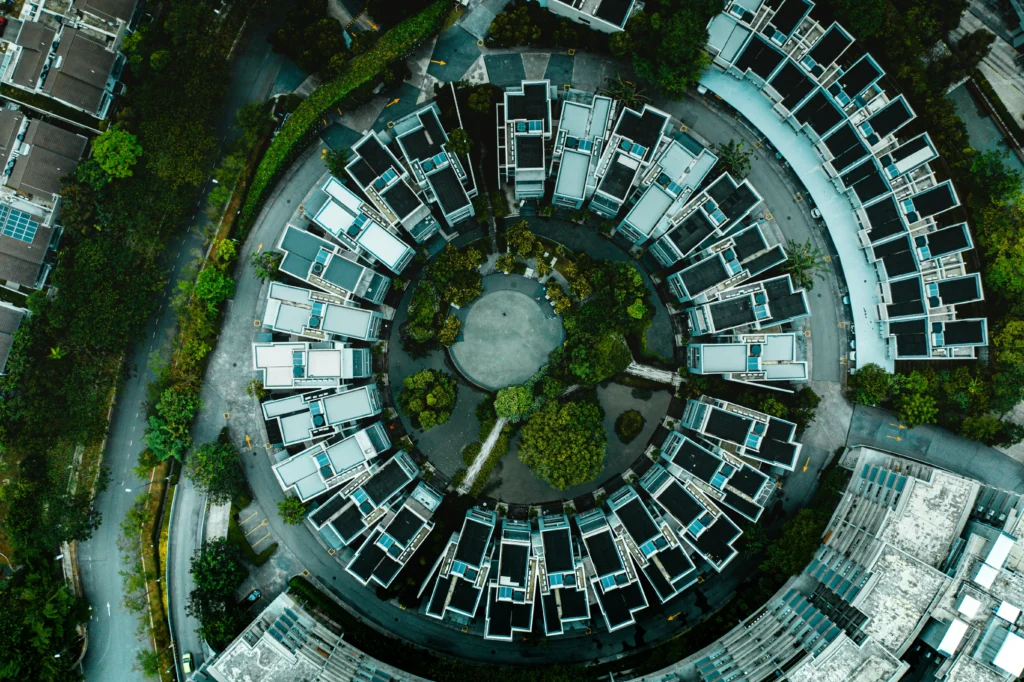
Open green areas clean the air. They cool down hot city spots. And they boost mood for those living nearby. City makers now focus on small parks, roof plants, and streets with trees, even in tight spots. Singapore leads with its “City in a Garden” plan. It weaves plants into city life everywhere. Picture kids playing in a rooftop garden high above the streets—that’s the kind of everyday joy it brings.
Water Management Systems
Designs that handle water well include catch-rain setups, soak-through paths, and plant-covered roofs. These manage rain water smartly. They stop floods. Also, they make small cool zones in neighborhoods during warm times. Cities with these systems see fewer water issues after heavy rains, as seen in recent flood data from various spots.
How Can Urban Design Improve Social Equity in Housing?
Home differences often show wider city splits. Planning can keep these gaps or fix them. It depends on how areas get divided and who gains from them. Good design aims to level the field a bit, though challenges remain in getting everyone on board.
Inclusive Zoning Policies
Inclusive zoning rules say new builds must set aside some units for lower or middle money families. This brings different income groups into the same areas. It stops pushing poorer folks to city edges. Such rules help mix neighborhoods, creating spots where kids from all backgrounds play together.
Community-Centered Planning
When locals join in, results turn out fairer. People know their own wants best. Group talks let them share thoughts on open areas or building shapes before work starts. This builds trust. It leads to spaces that truly fit daily life.
Affordable Public Transit Connections
Cheap travel ties matter for linking low-money groups to jobs and schools. Putting homes near bus or train stops cuts trip costs. It also aids green goals by dropping car use. In cities like these, workers spend less time and money getting around, freeing up hours for family or rest.
Why Is Density Often Misunderstood in Housing Discussions?
Folks often link tight living with too many people or bad conditions. But smart handling can lift life quality instead. Density, done right, brings perks like closer shops and friends nearby. Yet, fears linger from past poor examples.
Smart Density Through Design Innovation
New ideas in planning let packed zones stay comfy. Think varied building levels or group yards that guard privacy. These max out space use. They keep things pleasant. Designers draw from real user feedback to avoid common pitfalls.
Vertical Living Solutions
Tall buildings with shared spots—like gyms, kid care, or group gardens—build social ties even in heights. Hong Kong’s fresh towers show this mix of up-and-down living with comfort. Residents there enjoy views and perks that make high life feel grounded.
Micro-Apartments for Flexible Lifestyles
Tiny flats suit solo workers or learners who value spot over room. Though small, they add clever storage. Plus, group perks encourage chats among neighbors. These setups fit changing ways people live, especially in fast cities.
How Do Technological Innovations Support Better Housing Outcomes?
Tech shapes home plans more each day. From computer tools for layouts to home gadgets that ease daily tasks, it helps a lot. Innovations speed up fixes and add smarts to living. Still, not every city adopts them at the same pace, which creates some uneven spots.
Data-Driven Urban Planning Tools
Maps via GIS and guess models help spotters pick home sites based on people trends or road limits. These aid choices backed by facts, not quick fixes. Planners use them to foresee needs, like adding 500 units where growth hits hardest.
Smart Home Integration
Tech in homes handles power use with auto lights or heat controls that match who’s there. It aids green aims. It also ups comfort. Users often share stories of how these save time, like lights turning off when no one’s home.
Construction Technologies Like Modular Building
Modular building cuts build time. Units get made away from site, then set up quick. It wastes less. Developers meet urgent home needs after storms or people booms. In one case, a town rebuilt 200 homes in half the usual time post-flood.
How Can Policy Frameworks Support Effective Urban Design?
Top design needs strong rules to work big. Without team governance, single efforts seldom change systems much. Policies guide the path, but they must adapt to local quirks for real wins.
Cross-Sector Collaboration Models
City offices team with private builders, designers, tech experts, and locals to match goals. Public-private ties speed things up. Clear checks keep it honest. These groups often meet monthly to tweak plans based on fresh input.
Incentives for Sustainable Development
Tax breaks or funds push builders to use green tech or add cheap units in big projects. This links money drives with people goals. Watchdogs ensure it sticks. One program in Europe boosted green builds by 40% in five years.
Long-Term Maintenance Regulations
Rules cover care after build. This keeps open spots safe and working for years. It avoids rot from skipped funds. Cities with strong ones see parks and paths last twice as long without big fixes.
FAQ
Q1: What Is the Biggest Challenge Facing Urban Designers Today?
A: Matching low costs with green ways stays the hardest part. Both need steady money put in. Gains come slow, not fast. Designers juggle this daily, often tweaking budgets to fit.
Q2: How Does Good Design Affect Mental Health?
A: Sunlight reach, plant zones, and less noise help feelings a lot. Studies from the last ten years back this up (World Health Organization 2022). In crowded cities, these bits make a real difference in stress levels.
Q3: Are High-Density Cities More Sustainable Than Low-Density Ones?
A: Mostly, yes. Packed cities use less power per person. Trips stay short. Shared setups work better (UN-Habitat 2021). But low-density spots offer quiet escapes some prefer.
Q4: Why Is Public Participation Important in Urban Planning?
A: Early input from folks stops later fights. Groups take pride in their spots. This leads to better care and tighter bonds (OECD 2020). Without it, plans can miss key local needs.
Q5: What Future Trends Will Shape Urban Housing Design?
A: Look for more prefab builds paired with computer guesses on people moves far ahead (McKinsey Global Institute 2023). These will help cities stay ahead of growth curves, though tech access varies by area.