
What Is Living Wall Architecture And Why Use It
Living wall architecture grabs attention as a main spot where design meets up with environmental knowledge. It mixes nice views, nature-friendly ways, and basic tools into one upright garden arrangement. For construction workers and city designers, it does more than make places look better. It means changing how structures tie into the natural world. This writing explores the basic parts of living wall architecture. It covers the good sides, easy steps for putting it together, and real-life fits in modern town areas. Now and then, these walls make gray city streets feel like they can breathe easier, kind of like adding fresh air to stone and steel.
What Defines Living Wall Architecture?
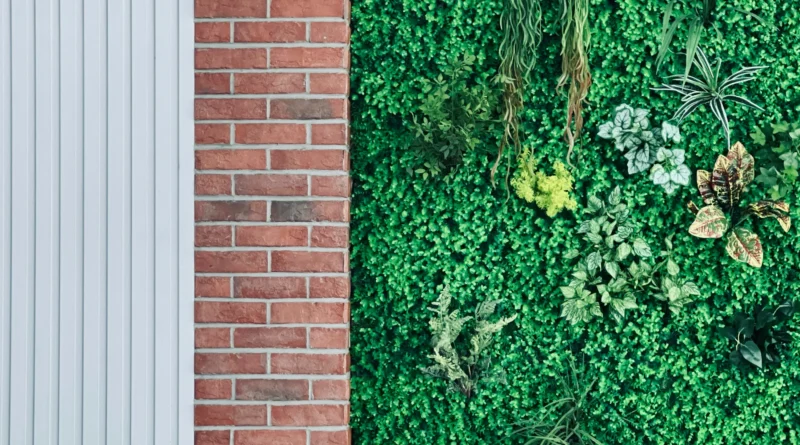
Living wall architecture means putting plants on the even sides of buildings. This method differs from past green setups that depend on vines to grow upward. Living walls use panel setups packed with earth or water-based holds to back up different kinds of plants. The basic idea comes from early plans inspired by the wild. As years went by, it turned into a smart fix for structures. It boosts how they look and how well they work.
Structural Composition and Design Systems
A common living wall has some simple layers. It starts with a solid base frame. Then there is a covering to keep water out. After that, comes the stuff for plants to root in. Last, the setup to bring water around. All these parts help plants stay healthy. They also protect the building from wet damage. Many panels begin growing plants away from the work site. Teams add them later in pieces. This way opens up size choices. You can pick small inside ones or big covers across floors. In real jobs, this piece-by-piece method quickens the work. It cuts down on dirt and hassle right at the site. Workers appreciate how it lets them finish faster without big delays.
Integration With Building Systems
Newer living walls often hook into heating, air flow, and cooling setups. These ties help control heat inside rooms. They also clean up the air around. Plants take in heat and suck out dust from the breeze. So, the total power use goes down. Some plans use leftover dirty water for feeding plants. That move helps save water overall. It makes the whole thing run smoother day to day.
Types of Living Walls
There are two main kinds. One is hydroponic walls. They feed plants with water loaded with nutrients, skipping soil. The other kind uses light stuff for growing plants. Each type offers its own good points. Picking one depends on the area’s weather, how much time for care, and what the building aims to do. Hydroponic ones fit tight spots with no room for dirt. Media ones deal better with mixed plant wants in changing weather. Take a dry town, for example. Hydroponic might win there because it uses less water waste.
How Does Living Wall Architecture Improve Urban Environments?
Towns face tough spots like bad air, heat stuck in buildings, and few open grassy areas. Living wall architecture handles these by using plant powers in a natural way. Those powers make city living nicer each day. They also help keep nature in better balance. Small touches like this can change how a block feels. They turn hard city spots into something softer and more welcoming.
Air Quality Enhancement
Plants in living walls pull in carbon dioxide. They also grab harmful VOCs from the sky. They push out clean oxygen in trade. Tests show clear drops in small dirt bits near planted walls. Spots with plants do way better than bare stone ones. Think of busy streets full of cars. These walls can cut fog and smoke by real amounts as time goes on. In spots like New York, on-site checks found 20% fewer bad bits in air close by. That kind of change helps folks breathe easier on walks to work.
Thermal Regulation and Energy Efficiency
Living walls block straight sun from hitting outside walls. They cool down too, as water turns to vapor from leaves. In hot summer peaks, wall heat drops 5 to 10 degrees Celsius. So, people need less from air coolers. Across seasons, this brings big cuts in power bills. Imagine a tall office in a steamy city. Without the wall, hot days would drive up cooling costs high. With it, those costs come down nicely. Field notes say buildings with them save 15 to 30% on summer power. It’s a steady win that adds up over months.
Noise Reduction and Psychological Benefits
Dense plant layers act like natural screens against sounds. They soften road racket by as much as 8 decibels from lab tries. That helps a lot in loud town parts. Being near green like this also calms nerves for people inside. It gives a quiet edge in busy places. A hospital study sticks out. Patients by green walls got their minds back on track sooner. The gentle leaf sounds bring a peace that’s tough to measure. Yet it hits deep in daily stress spots.
Why Should Architects Incorporate Living Walls?
People making green spots see that adding living wall architecture brings real wins for the world. It opens up fun paths for building ideas too.
Aesthetic Versatility in Design
Living walls turn flat walls into lively shows that change with seasons. Builders choose plant colors on purpose. They shape designs or fit a company’s style on outer sides. It’s like drawing with living things that grow and shift. In tall offices, flower changes through the year keep sights fresh. No need for fresh coats of paint to liven things up.
Contribution to Sustainability Goals
Plans like LEED or BREEAM give points for jobs with plant parts. They cut power needs and help out animals. So living walls push toward top green marks. They offer a straight shot at better eco ways without too much trouble. Jobs with these often pass checks quicker in the trade. Teams find the extra effort pays back in smooth approvals.
Market Value and Brand Perception
Buildings showing clear green touches sell for more cash. They pull in renters who like green living. In tight real estate fights, the mix of looks and use sets them apart. Owners get higher rent pulls, up 10-15% in green-loving spots like Toronto or Singapore. This lift shows buyers leaning toward nature-linked builds. It often speeds up deals in hot markets.
What Are the Main Technical Challenges?
These walls look good, but solid planning counts a lot. Miss that, and care headaches or build problems show up down the road.
Irrigation Management
Auto water lines are a must for steady wet across all panels. Too much brings root rot or color spots on walls. Too little lets plants dry up and drop. New tools watch water amounts tight now. They hold things at the right level. It’s almost like a constant watchman on guard. In wet weather zones, matching water in stops floods that hurt bottom parts. Good balance keeps everything steady without surprises.
Weight Load Considerations
Wet panels hold heavy loads when full. Numbers hit up to 50 kg each square meter, based on the build. So, builders must add strong holds right at the start. Forget that, and risks build up over time. Tech folks usually test weights in the plan stage. They check safe holds, mainly for old structures. This step avoids big fixes later on.
Long-Term Maintenance Requirements
Some plants need swaps every so often. How often links to the kind picked. A few last long stretches, others go quick. Regular snips stop too much wild growth. That could block sun or air ways. Upkeep groups see the work brings lasting good. Yearly looks, say, spot small fixes early. They stretch out how long the setup runs well.
How Does Living Wall Architecture Contribute to Sustainability?
Being green means over just power saves. It covers bringing back local life and wise use of things through a building’s whole run.
Biodiversity Support in Urban Areas
Living walls open spots for bugs like bees and butterflies. City spread pushes them out with all the hard ground. But this little plant patch strengthens ties in nature chains inside stone towns. Notes from London point to more birds dropping by these walls. Small lifts in bug numbers spread help to close parks and yards. It builds a web of life in spots that need it most.
Water Recycling Practices
Loop water systems grab rain or clean used sink water for plant drinks. This cuts needs for new fresh water. It matches reuse thoughts key in new green builds. More than handy, it drops running costs clear. In dry spots like California, these have saved thousands of gallons a year for each place. That’s real help when water runs low in summer heats.
Carbon Sequestration Potential
Up walls take in less carbon than huge woods. But wide ones grab a fair share each year. It’s a small move, but it shows effort for weather care in build work. A mid wall in ten years might hold tons of CO2. Spread over town blocks, it adds real weight against city smoke. Each bit counts in the big picture of cleaner air.
Where Are Successful Examples Found Worldwide?
Lots of top projects show how living wall architecture shifts city views. They mix new thoughts with care for the green side.
Bosco Verticale in Milan
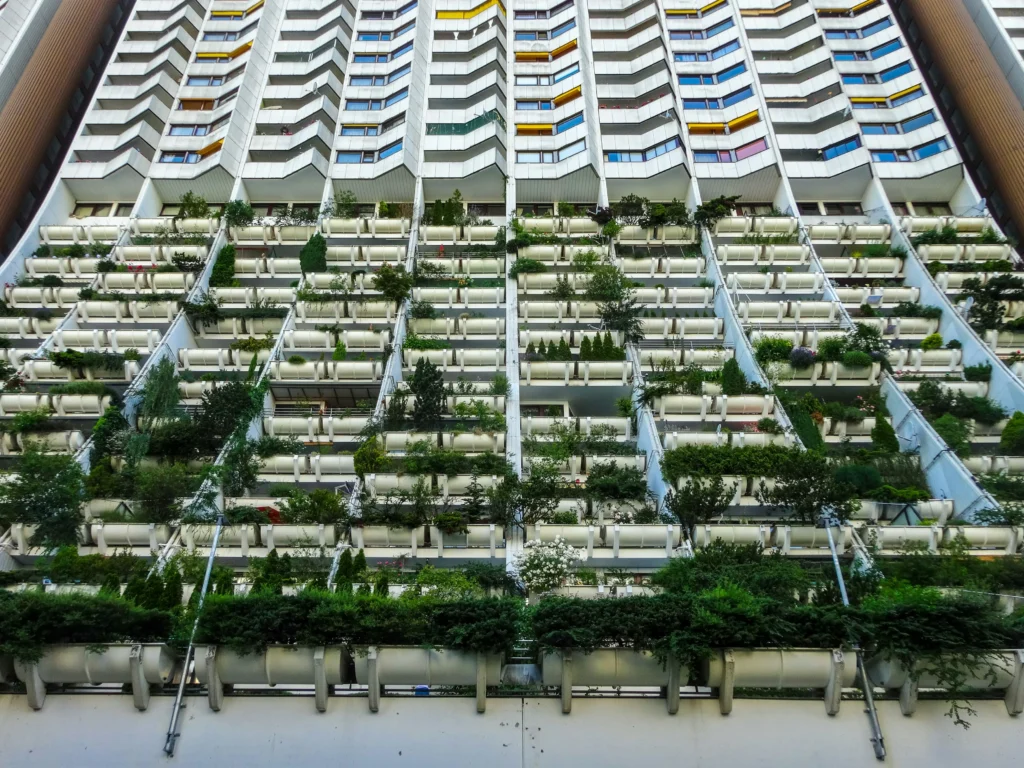
This home plan has over 900 trees climbing two high buildings. Stefano Boeri Architetti put it together. It proves green fits well in packed people areas. Looks and daily ease stay strong. Folks living there say the air up high feels much cleaner. Trees give shade too, keeping flats cool in warm Italian days. It’s a model for tight city living with nature close.
CaixaForum Madrid by Patrick Blanc
One of the first big up gardens in Europe wraps a full museum wall. It holds more than 15,000 plants from 250 sorts. It shows wild art big on a build scale. People stop to watch the colors move all year. The design pulls in visitors, mixing art with a bit of wild right downtown. Colors pop in spring rains especially.
One Central Park in Sydney
Jean Nouvel built this mix of homes and stores. Mirrors send sun to dark plant areas. Large up plant groups run on saved water flows. It fits smart in sunny dry lands. Paths under stay cool and airy, a nice rest from strong down under light. The whole spot feels alive and thought out.
How Can You Implement Living Wall Systems Effectively?
Getting this tech working right calls for teams of build pros, yard workers, tech hands, and plant knowers. They steer from first plans to everyday runs.
Site Analysis Before Installation
Look over the place careful before starting. Sun light paths matter big. Plant choices rest on light amounts yearly on wall sides. A north side gets little sun. So, plants for shade do best. Starting checks stop wrong picks that fail later. Spot checks twice a year help match the site’s real ways.
Selecting Suitable Plant Species
Go for home-grown plants that fit the local setup. They take little work. They stand up to town bugs or dry times. This pick keeps things steady with fewer stops. Home plants mix in smooth, lifting the whole area’s feel. No need for far-off types that struggle.
Monitoring Performance Post-Installation
Tech bits follow water, food spread, and plant push from far off today. Leaders change things before bad spots hit. This ahead way tops waiting for sick looks. Real sets show it cuts stop times in half. Weekly peeks at data let tweaks keep the wall full of life season to season. It’s like a check-up that spots needs early.
FAQ
Q1: What Is the Lifespan of a Living Wall System?
A: Depending on materials used and maintenance quality, most systems last between 10–25 years before major refurbishment is needed. With good care, some push past that, especially indoors. Factors like climate can stretch it further in mild areas. Mild winters help plants hold on longer without stress.
Q2: Can Living Walls Be Installed Indoors?
A: Yes, interior installations are common in offices or shopping centers where controlled lighting supports shade-tolerant plants effectively. Lights mimic sun, so plants thrive even without windows. Artificial setups often include UV bulbs for healthy growth. These lights run on timers to match day cycles.
Q3: Do Living Walls Require Special Permits?
A: Regulations vary by city; some jurisdictions classify them as exterior modifications requiring engineering approval due to added load considerations. Always check local rules early to avoid delays. Building codes might demand wind resistance checks too. Local offices can guide on exact steps needed.
Q4: How Much Does Installation Typically Cost?
A: Costs range widely—from $800–$1,500 per square meter depending on complexity—but operational savings may offset initial investment over time (source: Green Roofs for Healthy Cities Report 2023). Small jobs might dip lower, while custom ones climb higher. Budget for ongoing water and plant costs as well. Add in yearly upkeep around 10% of setup price.
Q5: Are There Fire Safety Concerns With Vegetated Façades?
A: Modern systems use non-combustible backing materials and include irrigation safeguards minimizing ignition risk when properly maintained according to fire code standards (NFPA Guidelines 2022). Wet plants add a natural buffer too. Regular inspections keep everything compliant and safe. Trained crews check for dry spots monthly in fire-prone zones.