
What Is Greenery Architecture And Why It Matters
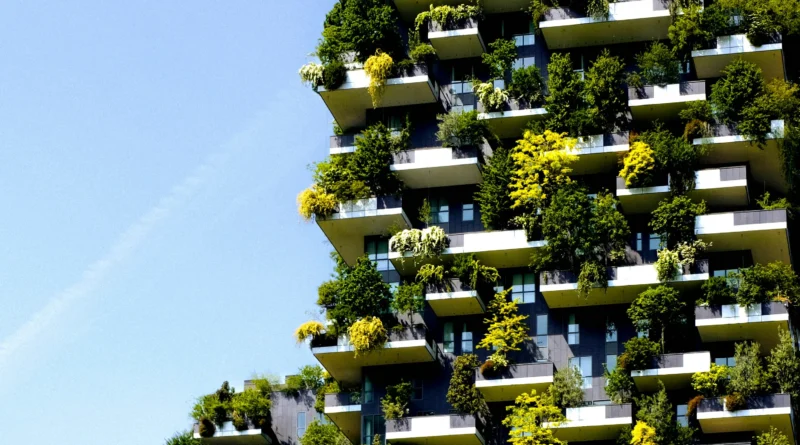
Greenery architecture changes how city spaces take in fresh air, run without hitches, and look overall. It does more than just add plants to buildings. Actually, it means rethinking the link between nature and city plans. Cities grow more crowded day by day. So, builders face a hard job fitting in green spots where they were once left out. You see this shift in places like Milan’s Bosco Verticale or Singapore’s Oasia Hotel. These spots show how plants become a main part of a building’s style and living setup, not just an afterthought. Walking near the Bosco Verticale, the plants make the area feel much cooler, like a small forest right in a busy street. These kinds of experiences show the simple pull that brings folks back to such places. Sometimes, it’s the little things like that shade on a hot day that make a big difference in city life.
What Defines Greenery Architecture?
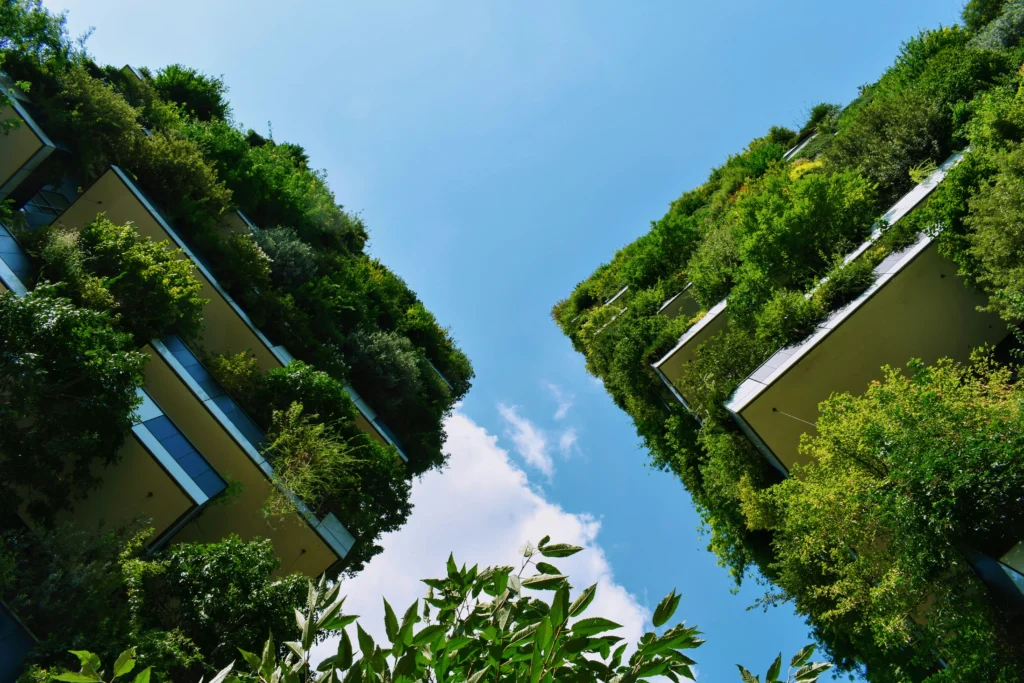
Greenery architecture mixes man-made buildings with growing plants to create self-supporting spaces. These spaces help all sorts of animals and bugs thrive, cut back on heat, and clean up the air. It goes past just being pretty. Really, it’s a hands-on skill that joins garden design with nature tools. In plain terms, it gives buildings a real dose of fresh life.
Integration of Living Systems
The key part of greenery architecture is weaving plants straight into building parts like walls, roofs, and open yards. This weaving helps buildings handle their own temperature in a natural way. Plants block spots that would trap too much sun heat. For instance, green roofs can lower surface heat by up to 40°C compared to plain roofs on hot summer days (source: U.S. Environmental Protection Agency, 2023). Picture a sticky afternoon in New York City. Then, those green roofs could make strolling around way less sticky by cutting the heavy humidity. This real-world help catches many people off guard, as they don’t expect basic plants to cool things so well. In my quick visits to such sites, the air always feels noticeably different right away.
Architectural Innovation
Builders use basic block plant systems, water-fed walls, and smart water pipes to keep plants going on flat walls. These new ideas call for teamwork from plant pros, tech workers, and plan makers. They all aim to keep the building solid and the green parts alive. The work can get tough now and then. But when it clicks, the results stand out and push for more tries in different spots. One project I heard about took extra time to test the pipes, but it paid off in the end.
Environmental Synergy
Done well, greenery architecture builds a nice balance between wild growth and built things. Plants pull out bad stuff from the air around. At the same time, buildings give plants a safe home and protection. You end up with a tiny ecosystem that boosts city nature goals and lifts people’s moods at once. Every now and then, it’s worth thinking if more of this could ease the dull feel of all that concrete in busy towns. Like, maybe it could bring back some of that lost green vibe from older days.
How Does Greenery Architecture Benefit Urban Environments?
City areas deal with rising heat, dirty air, and shrinking green patches because of quick building booms. Greenery architecture fights back against these issues. It puts natural fixes right into the middle of city setups. Plus, it does so without needing extra land.
Reduction of Urban Heat Island Effect
Plant-covered spots soak up less sun heat than hard things like concrete or black roads. So, this drops the average warmth in crowded city blocks by a good amount. Studies show that if lots of buildings add green roofs, the city’s overall heat might drop by up to 2°C (World Green Building Council, 2022). On top of that, the cooler air cuts down on power use for cooling nearby places. Think of a muggy summer in London. Extra heat turns bus rides into real drags. But small plant adds could soften that, giving breaks from the worst of it during busy hours. In hot spots like that, even a degree less makes the whole day bearable.
Improvement of Air Quality
Plants act as simple filters. They grab tiny dirt bits and pull in carbon dioxide. After that, they push out oxygen. In busy spots like Tokyo and Singapore, rules that push for plants in buildings have led to clear improvements in air around them (Japan Ministry of Environment Report, 2021). It’s no trick. Still, it lets regular people breathe easier on packed paths. People in those cities often mention less haze on breezy days, which points to the steady, quiet effect. Over time, this builds up to healthier streets where kids can play without worry.
Enhancement of Biodiversity
Greenery architecture sets up homes on roofs and walls for good bugs like bees and butterflies in city nature chains. These small spots link up broken wild paths cut by building work. Bit by bit, it might bring back birds and insects missing from the fast city rush. Take Paris, for example. Early tries there have seen more butterflies in what used to be empty areas, giving signs of wider comebacks. It’s like watching nature sneak back in, one flower at a time, which feels hopeful amid all the stone.
Why Is Greenery Architecture Economically Valuable?
Starting up greenery setups costs a lot upfront. But over long stretches, the money back and perks make it pay off. Look at lower power bills, higher selling prices for spots, and easier fixes later on. Talks in real estate circles often skip the big picture. But hard numbers back up the good points every time.
Energy Efficiency Gains
Buildings with plant-covered walls face less heat stress because the green covers work like natural shields. This leads to smaller bills for heat and cool systems. Data from a top European study group shows yearly cuts of up to 25% (European Commission’s Joint Research Centre, 2020). For a normal office building, that means big yearly savings tucked into the books. Old hands in the field share tales of how those extra funds covered surprise upgrades, flipping early spends into smart gains. It’s the kind of win that keeps projects rolling.
Increased Property Value
Places with built-in greenery usually sell for more because they look nice and care about the earth. Market checks say these spots get 5% to 15% extra over plain ones (CBRE Market Report, 2022). Buyers like the fresh air feel, especially in tight spots like San Francisco. Sellers note faster deals for green spots, wrapping up in weeks instead of months sometimes. In a market like that, the green edge can tip the scales quickly.
Lower Long-Term Maintenance Costs
Folks often think green means non-stop work. Truth is, smart setups need little fixing once running. They use loops for rain or reused water built in from the start. So, costs go down over years, making it a wise pick for owners who dodge surprises. Managers say that past the first year, quick looks are enough, leaving room in budgets for other needs. This shift surprises many at first, but it sticks.
What Are the Technical Challenges in Implementing Greenery Architecture?
Greenery architecture has real building roadblocks, even with its upsides. These include dealing with added weight, handling water flow, and choosing plants that match the weather and place. It doesn’t always go smooth. Some jobs hit early bumps that check how tough things are.
Structural Load Considerations
Plants add a lot of steady weight to building skeletons, based on soil thickness and water hold. Planners have to check extra support needs right away to skip later stress on walls or roofs. They pick light soil types like puffed clay balls often. That keeps plants healthy without loading the base too much. A case in Berlin had to change plans halfway from missed weight checks, acting as a warning for careful work. Lessons like that spread fast in the trade.
Irrigation System Complexity
Keeping even wet in wall gardens needs auto-drip pipes run by gadgets that watch dampness and temp changes all day. These setups match water saving with enough feed for plants through changing weather. Bad tuning leads to dry spots or waste. Tech folks stress steady sensor checks, based on times when small tweaks stopped big fails in dry times. It’s fiddly, but gets easier with practice.
Plant Species Selection
Picking the right plant types is vital for success. Local kinds do better usually, fitting the area’s weather and fighting city bugs or ills. Bad picks cause fast die-off or high fix costs later. Experts say start with small tests in the spot to find what works. Ways like that, built from long field work, cut down on pricey errors in spots from dry lands to wet jungles. Sharing these tips at workshops helps new teams avoid common slips.
How Does Greenery Architecture Influence Human Well-Being?
Besides nature facts, greenery architecture touches people deeply. Being near natural bits in daily spots ties to better mind and body health. It gives a quiet lift in the middle of city noise.
Psychological Restoration
A study in the Environment Psychology Journal from 2021 backs this up. Looking at green lowers stress by cutting a main body chemical in workers with plant rooms over bare ones. After long screen time, a quick look at leaves might reset feelings, shown by what people said in tests. These ideas fit everyday work where tiny green sights turn dull rests into nice breaks. In busy offices, that short glance can shift the whole vibe without much effort.
Improved Indoor Air Quality
Wall plants inside suck out bad smells from seats or machines. They also hold air wetness at a good level for easy breaths. This counts big in shut work rooms with little fresh air in cold weather. Folks with allergies get a lot from it, no need for big machines. Work reports show less time off sick, crediting these plant helpers that boost air flow on the down low. It’s a simple fix that pays in health days saved.
Social Interaction Spaces
Green roof areas pull people for talks or rests with neighbors or work mates. This grows stronger links in tight living without own yards. These group wins often miss money checks in plans. Picture roof meets turning quick chats into lasting ties. Surveys from communities point out how these spots build neighbor bonds, making high-pack living feel warmer. Small gatherings there can spark ideas or just easy laughs.
How Can Cities Promote Adoption of Greenery Architecture?
City bosses can push this with perks like tax breaks or more build room for green adds in new or old places. Rules in many world cities have done well lately. But getting all in takes time and real drive.
Regulatory Incentives
Singapore’s Landscaping for Urban Spaces and High-Rises (LUSH) program sets basic green cover needs for big builds. It gives builders extra space if they add plants matching what they cover (Urban Redevelopment Authority Singapore Data). This plan spread in Asian cities since 2009. Other areas could change it to fit their ways, maybe getting like wins in cooler places. It’s a model that tweaks easy for local needs.
Public–Private Partnerships
Teams of city groups and business backers speed up with shared cash for trial runs. These prove it works before big rolls in nature plan zones worldwide (UN Habitat Report 2023). Such team-ups cut risks and pass on skills. Looks at joint work in Toronto show how pooled help cut project times by months. Sharing costs like that makes bold steps less scary.
Educational Outreach Programs
Teaching plans for builders, techs, and keepers build skills to handle tough plant setups in buildings. This stops early breaks from poor care after put-in, as seen in looks from the 2010s (IFLA Annual Review 2022). Hands-on classes make a real change in keeping things going long. Folks in these often say they feel surer, cutting wrong moves in real jobs of all sizes. Building that know-how step by step keeps projects strong.
FAQ
Q1: What distinguishes greenery architecture from traditional green building design?
A: Traditional green building focuses mainly on energy efficiency; greenery architecture integrates living vegetation as an active structural element influencing both aesthetics and ecological performance. This distinction lies in the active role of plants, turning them from passive decor to functional contributors in daily operations. It shifts the focus from just saving power to making nature part of the build itself.
Q2: Are there measurable reductions in carbon emissions due to greenery architecture?
A: Yes, vegetated surfaces sequester carbon dioxide while reducing energy consumption associated with cooling systems thereby lowering indirect emissions over operational lifespans. Field measurements in pilot projects confirm these drops, often by hundreds of tons annually in mid-sized urban developments. Real numbers from sites like that show the green impact adds up over years.
Q3: Can existing buildings retrofit greenery features effectively?
A: Retrofitting is feasible using modular wall panels lightweight substrates combined automated irrigation setups designed accommodate pre-existing façade constraints without major structural alterations. Contractors note that phased implementations minimize disruptions, allowing seamless integration into aging infrastructures. Step-by-step adds keep old buildings fresh without big overhauls.
Q4: What types of plants are most suitable for vertical gardens?
A: Native drought-resistant species typically perform best ensuring resilience against local climatic fluctuations minimizing maintenance inputs throughout seasonal cycles. Gardeners favor evergreens for year-round coverage, drawing from regional nurseries to match soil and light conditions precisely. Picking locals cuts down on extra water and care needs.
Q5: How does maintenance differ between rooftop gardens versus vertical façades?
A: Rooftop gardens require periodic soil aeration weed control whereas vertical façades depend primarily automated watering nutrient delivery monitored via sensor-based feedback loops optimizing resource usage efficiently over time. Routine checks for rooftops involve manual inspections every few weeks, while facades rely on tech for daily adjustments. Each type has its own rhythm, but both settle into low-effort patterns.