
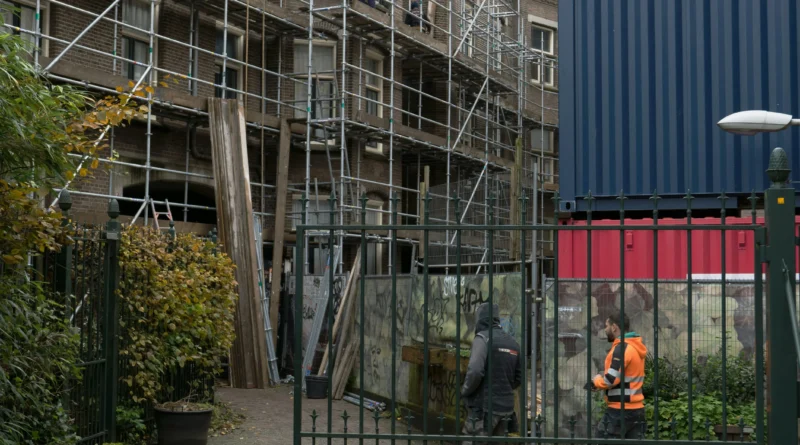
What Is Facade Renovation And When Is It Needed
Facade renovation does a good job keeping buildings sturdy and keeping them looking sharp. Folks in areas like architecture, engineering, or construction view it as way beyond just a quick looks update. It stands as a practical effort that lifts property prices, guards against risks, and supports better energy control. This write-up explores the moments when facade renovation becomes necessary. It discusses various ways to carry it out. It also offers pointers for organizing these efforts well. Picture an old office spot right in the heart of town that caught our eye once. Its outer layer seemed totally worn down. That moment made clear to all just how key this kind of work is in real-world settings. Sometimes you hear about these buildings standing for ages, but without care, they start to fade fast.

Why Does Facade Renovation Matter?
A building’s facade serves as its chief face to the outside world. It functions as the key shield against rough weather and everyday grime. Elements such as bright sunlight, pounding rain, sharp shifts in heat and cold, and city soot gradually break it down. Everyday stuff like concrete, glass, metal sheets, or rock starts to give way. The whole thing begins to look dated. On top of that, it can lose its knack for holding onto energy and staying safe.
Structural Integrity and Safety
The main push to mend the facade is to keep the full building stable and out of harm’s way. Little cracks in the walls or rust eating at metal bits can lead to chunks breaking free. In worst scenarios, the entire face might collapse. Packed city streets turn loose bits into a big hazard for people on the ground or nearby setups. Regular checks spot these troubles early. This stops them from turning into huge threats. Look at a recent note from New York City for a clear example. An unsteady panel dropped from a 10-story spot and nearly hit a bunch of passersby. Routine looks could have caught it in time for a simple repair. Tales like these show why staying alert matters so much in lively spots. Back in the day, I recall hearing about a similar scare in older parts of town where quick action saved the day.
Energy Efficiency Improvement
Modern tweaks to the outer walls often bring in tougher padding or new panes built to trim energy needs. These tweaks drop the demand for heat or cool by as much as 30 percent. That figure draws from a 2023 study by the U.S. Department of Energy. In the end, bills for power fall, and it aids the earth by using less fuel. Think of a basic school in Chicago that tried this on its sides. The switch helped them cut thousands from their yearly power costs. Kids stayed cozier in the chilly times without blasting the heaters. This serves as solid evidence of how such shifts touch everyday routines in shared places. Plus, in places with long winters, the difference shows up right away in comfort levels.
Aesthetic Renewal and Property Value
Good looks play a big part outside of the nuts-and-bolts side. A refreshed outside lends the building a fresh and friendly feel. This draws renters or buyers with less effort. Building crews often update outer layers to boost work sites. Imagine giving an old house a basic paint refresh, but on a bigger scale. Once done, asking prices typically climb, hitting 15 to 20 percent more in buzzing market zones. Over in a Seattle suburb, one mall watched its rental fees go up soon after the outer fix. Bits like that point straight to the money benefits. It’s funny how a simple change can shift perceptions so much.
When Should You Consider Facade Renovation?
Picking the right time to jump in cuts down on future costs. Buildings wear down at different paces based on what they are made from and their spot. Still, some plain signs always hint that it’s time to move.
Visible Material Degradation
You spot splits on the face, old paint flaking off, rust spots by the screws, or white buildup on the blocks. They act as early heads-up for deeper problems. Ignoring them lets water slip in unnoticed. It then wrecks the inside guards or the fluffy bits that keep heat close. One example involved a block of homes with many units. Tiny gaps let heavy rains pour through. Fixes later doubled in price because of the hidden rot. Accounts such as this urge us to keep an eye out right away. In rainy climates, these signs pop up quicker than you’d think.
Moisture Problems and Thermal Leaks
Water beads up inside the glass or wet patches appear on room sides. That points to the outer guard breaking down. Pros use heat-sensing tools to find cool spots that need work. The gear shows weak areas clearly. So, the crew can zero in on them for the refresh. This way skips wild guesses and gets things right the first go. Down in steamy spots like Florida, these devices are now a must to catch troubles before they grow. They help avoid the mess of water damage that can linger for months.
Regulatory Compliance and Modernization
Laws for buildings change often. They tighten up on fire guards and energy holding. Past outer designs might not fit the new rules. So, changes are a must to get okay’s or hold onto policies. It keeps everything legal and fresh. Spots like California faced new mandates that made many owners redo their sides just to follow. The steps caused some headaches. But they boosted the safety for all structures. Following rules isn’t ever easy. Yet, it lays a firm base for what’s ahead. In fast-growing cities, staying current avoids bigger fines later on.
What Are the Main Methods Used in Facade Renovation?
Ways to fix the outer parts change with the stuff used and what you aim for. Experts kick off with a close check of the place. Then, they choose the best path.
Cleaning and Surface Restoration
Light washing with low-force sprays or tiny grit rubs clears away dirt. These keep the base safe from harm. For stone faces, special mixes pull deep crud from little holes. You must go slow to dodge scratches. It’s much like a soft scrub for a building after years in the city grind. In old town sections, workers try out bits of area first. This makes sure the clean matches the touchy stuff. Sometimes, they even adjust the mix based on the stone type to get it just right.
Replacement of Damaged Components
If the harm digs deep, groups swap out bad panels or edge pieces. Trained hands make sure the new ones fit the old style. This blocks rust from odd matches or shakes that snap things. A job in London swapped glass bits without fuss after test runs. It trimmed wait times and hassles. Those thoughtful moves really help keep things rolling smooth. No one wants surprises midway through a big lift.
Insulation Retrofitting Systems
Crews add extra outer fill that boosts work and looks. This method fits well for homes from after World War II in Europe. Lots of them started without good warmth traps. Now, they hold heat better and use less power. It helps with comfort every day and trims bills. In Berlin, a line of flats got the add-on. Folks there said drafts dropped even on the coldest evenings. It’s a simple win that pays back over time, especially in drafty old setups.
How Does Facade Renovation Impact Building Performance?
The good points go beyond just the visual side. They touch on inside comfort, how often you mend things, and green habits over many years.
Enhanced Thermal Comfort
Better outer walls keep inside air steady. They push back cold in winter and too much heat in summer. People sense less breezes around. Air handlers don’t strain as hard all year. Think of a place where window chills vanish. Those changes make a real difference in how it feels. In work buildings, it leads to content staff who focus better without fiddling with controls. During hot spells, the relief is even more welcome.
Reduced Maintenance Costs
Fresh outer coats that fend off water and dust stretch out clean-up times. Metal faces with special covers keep shine for over 20 years. Facts from AkzoNobel in 2022 back this up. Money saved on regular fixes piles up. The new shine holds without extra sweat. A plant in Texas cut its yearly care costs in half post-work. That’s the kind of real saving that owners love to see.
Increased Longevity of Structure
Tackling rust early lightens load on key parts like metal anchors or solid frames. As a result, the building lasts longer, by years at least. It’s similar to fixing a cover before leaks start. Early patches stop big fails. Pros in shore areas push this ahead-of-time way. Salt winds speed up damage if you skip it. In places like Miami, this approach has saved countless structures from early downfall.
What Are the Common Challenges During Facade Renovation Projects?
These efforts bring solid results. But they hit snags too. Good team-up between designers, doers, and town watchers helps tackle them.
Access Constraints in Urban Areas
Getting to top spots in tight cities calls for special stands or swing setups. Noise rules limit times near homes. It drags the pace. Safety stays top though. Groups in Tokyo used flying gadgets for tough reaches. That smoothed the flow a good bit. City work often means evening hours to skip day crowds. It adds planning steps, but keeps things safe and quiet.
Material Compatibility Issues
Mixing fake rocks with real old ones needs knowing how they bend with warmth. Good fits stop breaks or peels later. Mess-ups cause fast woes. Experts try out samples to match well. For setups with varied stuff, like block and sheets, this check skips pricey fixes soon after. It’s a small step that prevents headaches down the road.
Budgeting Uncertainties
Hidden finds during tear-downs can bump costs high. Smart leads hold back cash, about 10 to 15 percent of the whole. It deals with shocks without stops. Looking at old logs shows this pad often saves the schedule. A job in the Midwest hit surprise wires, but the spare funds kept it going steady. No one likes budget overruns, but planning for them makes all the difference.
How Can You Plan an Effective Facade Renovation Strategy?
Firm setup paves the way for wins more than any tool in use. A clear map cuts down on down time and brings better ends. Let’s look at it one part at a time.
Detailed Condition Assessment
Start off with a full scan using safe tools. Sound checks measure block strength. Small flyers snap pics of wide areas. These steps give a true sense of the bad spots. So, workers skip blind mends that waste time. In big setups, the first look often finds things that shift the full scheme. It saves cash over time. Sometimes, these scans reveal old repairs that were done poorly years back.
Selection of Qualified Contractors
Go for crews who know your kind of build inside out. Steer clear of all-around types without deep know-how. Hunt for marks from bodies like FISP. They prove top-level following. A checked group in Boston turned a wild job into a neat win not long ago. Choosing well upfront dodges lots of traps that hit weaker picks. Experience counts big here.
Integration With Sustainability Goals
Bring in things like reused metal sheets or plant paints for trades. Link the doings to green targets for nature and folks. This ups the draw for big money folks who pick earth-friendly. It’s more than a fad. It brings lasting payoffs. One outfit tossed in sun-catchers during the work and scored breaks on taxes. These ties not only aid the world. They pull in new buyers who care about smart building ways. In today’s market, that’s a smart edge.
FAQ
Q1: What is included in a typical facade renovation project?
A: It usually involves cleaning surfaces, repairing cracks or joints, replacing damaged cladding elements, upgrading insulation layers, sealing windows properly, and applying protective coatings against weathering agents. Sometimes they add little extras like new lights to brighten things up. These touches can make the space feel more alive without much added cost. In some cases, owners even pick colors that match the neighborhood vibe.
Q2: How long does a full facade renovation take?
A: Duration varies by size but averages between three months for small buildings up to twelve months for high-rise complexes due to access constraints and weather dependencies. Rainy seasons can push it back a bit, as crews wait for dry days. Windy conditions in high areas also delay scaffolding setup, stretching timelines unexpectedly. For mid-size offices, it often lands around six months if weather cooperates.
Q3: Can facade renovation improve indoor air quality?
A: Yes. By eliminating moisture ingress points that foster mold growth inside walls, air quality improves substantially after proper sealing works are completed. Fresh air flows better, and folks breathe easier without that musty smell. In allergy-prone families, this change has led to fewer complaints about stuffy rooms. Doctors sometimes note how dry interiors help with health too.
Q4: Is it possible to renovate historic facades without altering their appearance?
A: Absolutely. Conservation specialists use reversible restoration methods like lime-based mortars matching original compositions so that heritage aesthetics remain intact while improving durability underneath. It’s a delicate balance, but it works wonders for old gems. Preserving the look while boosting strength keeps the charm alive for generations. Local history buffs often praise these careful updates.
Q5: How often should facades be inspected before deciding on renovation?
A: Experts recommend visual inspections every two years combined with detailed assessments every ten years depending on exposure conditions such as coastal humidity or industrial pollution levels. In salty sea air, you might check more, say yearly, to catch rust fast. Harsh winters in the north call for similar frequent looks to spot ice damage early. Tailoring the schedule to your spot makes a world of difference in prevention.