
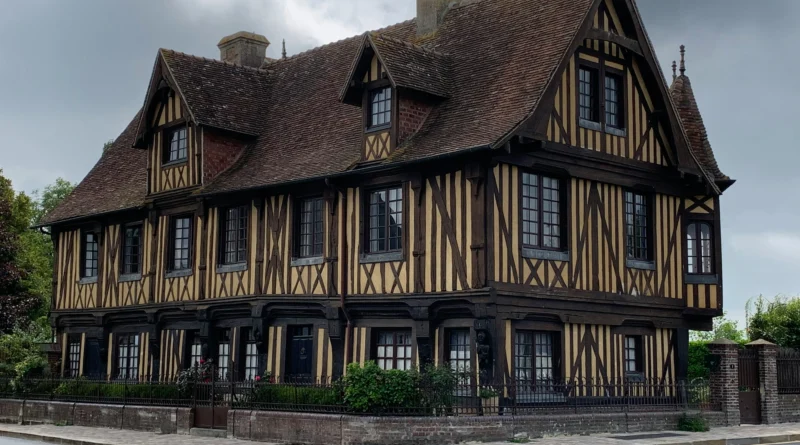
How To Choose From Popular House Styles
Picking a house style from the popular ones can feel thrilling yet confusing. There are so many building designs out there now. They let you show your personal style. You can fit them to how you live. Plus, they match your money plans. But it’s not just about liking the front view. You need to think about how the design works with weather, upkeep, and future worth. This guide looks at main questions. They help you decide wisely when choosing from top house styles.
What Factors Should Guide Your Choice of House Style?
Choosing a home design goes beyond looks. It’s a real-world choice. It affects building costs, power savings, and selling value later. Before you pick one, check how each part fits your everyday life. Also, see how it matches your area’s weather.
Climate and Regional Suitability
Weather matters a lot in picking the right building style. Take Mediterranean homes, for example. They use stucco walls and red tile roofs. These do great in hot areas. They bounce back heat. And they keep inside spaces cooler. On the other hand, Cape Cod or Colonial homes have steep roofs. These fit places with lots of snow or rain. When you match the home’s parts to local weather, upkeep drops. Comfort goes up all year. I remember visiting a friend in sunny California. Their Mediterranean house stayed cool even on 100-degree days without cranking the AC too much.
Lifestyle Compatibility
How you live shapes if a house style really works for you. Open layouts in modern or ranch-style homes give room to move. They’re perfect for parties or family time. Victorian houses have separate rooms. They suit people who like quiet spots. Maybe for work or relaxing alone. Consider your daily flow. Do you host friends often? Or do you work from home? Pick a home that backs those habits. In my experience, families with kids love the wide-open ranch setups because everyone can spread out without bumping into each other.
Budget and Long-Term Value
Each building style has its own price tag. Craftsman homes focus on handmade touches. These can raise building costs. But they bring lasting beauty. And they help sell the house for more later. Simple contemporary homes cut costs with smart material use. Yet, they need good finishes to look right. Weigh the starting cost against ongoing fixes. This way, you dodge money troubles down the road. For instance, a basic Craftsman might cost 10-15% more upfront, but it holds value better in neighborhoods where buyers seek that cozy, built-to-last feel.
Which Are the Most Popular House Styles Today?
The housing market has plenty of building trends. They mix old ways with new needs. Likes differ by place. But some styles draw people in. They adapt well. And they keep their charm over time.
Modern Farmhouse
The modern farmhouse mixes country feel with fresh uses. Key parts include metal roofs, big porches, and airy insides full of sunlight. White siding with black window frames is a big look now. It’s common in city-edge areas across North America since 2015 (source: Architectural Digest). This style fits families well. It gives a warm home without losing easy modern perks. Picture a family barbecue on that wide porch—it’s practical and inviting, especially in growing suburbs where space feels a bit tight.
Craftsman Bungalow
Craftsman bungalows started in the early 1900s. They came from the Arts and Crafts push for plainness and skill. Main signs are low roofs, shown beams, and wood cabinets built in. They’re smaller than today’s big houses. But their smart setups work great on small city lots. Space is short there. Still, they pack in personality. One neighbor of mine has one in a busy urban spot. It’s cozy, and the wood details make it feel special without taking up much yard.
Contemporary Minimalist
Contemporary minimalist houses stress straight lines, basic shapes, and plain colors. They often use green stuff like reused steel or bamboo floors. Big glass walls link inside to outside. They let in lots of day light. This fits new eco rules (U.S. Green Building Council report 2022). These homes match buyers who care about the planet. They like clear, simple living. From what I’ve seen in eco-friendly communities, the natural light cuts electric bills by up to 20%, making daily life brighter and cheaper.
How Does Architecture Reflect Functionality?
Looks aren’t everything in building design. It also sets how well a home works each day. Every style has built-in smarts. They fix certain living problems.
Space Utilization
Ranch-style houses stretch out on one floor. This makes getting around simple. It’s great for older folks or homes with little kids. Tall Colonial homes put public spots down low. Bedrooms go upstairs. This boosts privacy. And it doesn’t eat up extra land.
Natural Light and Ventilation
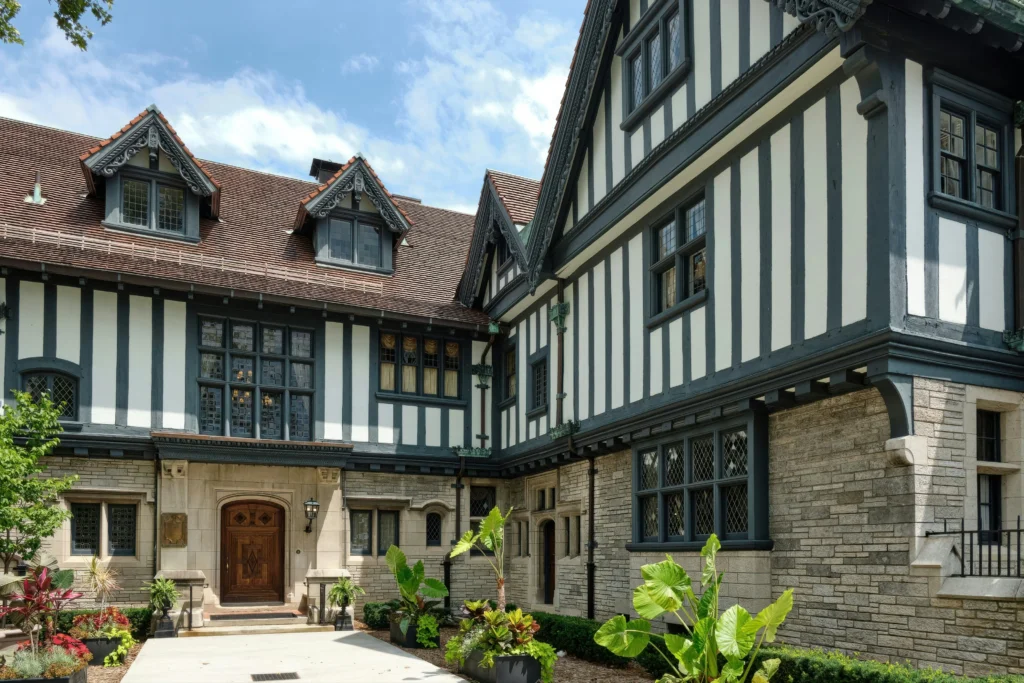
Mid-century modern homes have wide windows. They let air flow through. And they cut down on fake lights in the day. Traditional Tudor styles use smaller holes. These fit cold places. There, keeping heat in beats fresh air. In a real setup, like a mid-century home I toured, the breeze from those windows kept the place fresh even on humid summer afternoons.
Energy Efficiency
How well a home saves power differs by style. It depends on wall padding and sun facing. New building tricks use sun power without effort. They put windows south in north areas (U.S. Department of Energy data 2021). Picking these saves on heat bills. It also boosts home worth over years. Industry folks say homes with good sun setup can drop energy use by 30%, which adds up nicely for owners watching those utility statements.
What Role Does Location Play in Selecting Popular House Styles?
Where you build shapes looks and real use. Local rules set roof angles or outside stuff. They guard against storms or fires.
Urban Settings
Cities have little land. So row houses or townhomes rule. They build up tall. Yet each owner gets their own spot. The small size fits walkable areas near shops. That’s a pull for workers who want easy access over big yards. In places like downtown blocks, these setups make sense—quick walks to coffee or work, no car needed most days.
Suburban Neighborhoods
Suburbs like stand-alone family homes. Think Colonials or modern farmhouses. They come with bigger land for plants or play. These spots let you try new designs. But groups of owners set rules for a matching look.
Rural Properties
Out in the country, log cabins or ranch homes fit right in. They use local wood or rocks. These age well in wide open spaces. A rural ranch I know uses stone from nearby hills. It blends so well, you almost forget it’s there amid the fields.
How Can You Balance Aesthetics With Maintenance Needs?
A pretty house can turn into a hassle if fixes take too much time or cash. Think about toughness with beauty. This brings long joy.
Material Selection
Brick outsides stand up to weather more than painted wood. But they lock in color choices for changes. Stucco needs seal checks now and then. Still, it insulates well if pros put it on right.
Roof Design Considerations
Flat roofs in simple designs call for steady checks. They stop water sits in wet areas. Pitched roofs push off junk easier. But they cost more at first from tricky builds. In rainy spots I’ve seen, a good pitch means fewer leaks, saving headaches later.
Landscaping Integration
Building flow reaches the yard too. Prairie-style homes by Frank Lloyd Wright match flat lines to land shapes (National Trust for Historic Preservation reference 2020). Smart yard work cuts dirt wash. It also ties house to ground in style. Add some native plants, and it feels lived-in, not just planned.
How Do Trends Influence Future Resale Value?
Market likes change fast. What’s hot now might look old soon. Unless it uses steady sizes or flexible insides.
Timeless Appeal Versus Trendy Features
Plain fronts like white boards stay wanted for years. They’re better than wild new shapes that fade with tastes. Sometimes, a touch of trend adds fun, but basics win out.
Regional Market Preferences
Zillow’s 2023 Home Trends Report says Craftsman listings sold 12% quicker than usual across the country. It’s due to seen skill in building (source: Zillow Research 2023). Buyers often pick real feel over new tricks, even as likes shift.
Renovation Flexibility
Houses easy to change inside keep high sell prices. Open plans let new owners tweak without big rebuilds. This broadens who might buy, especially in flipping-hot markets.
FAQ
Q1: What Is the Easiest House Style To Maintain?
A: Ranch-style houses are generally easiest because they have simple rooflines and single-level layouts requiring fewer repairs over time.
Q2: Which Style Offers Best Energy Efficiency?
A: Contemporary minimalist designs typically achieve higher energy efficiency thanks to advanced insulation systems and passive solar orientation principles recognized by green building standards.
Q3: Are Historic Styles Like Victorian Still Popular?
A: Yes, Victorian homes remain valued among collectors of period architecture though restoration costs can be significant due to ornate detailing requirements.
Q4: How Important Is Roof Shape When Choosing a Style?
A: Roof shape directly affects drainage performance; steep gables suit snowy climates whereas flat roofs complement dry regions but demand careful waterproofing maintenance schedules.
Q5: Can Mixing Styles Increase Property Value?
A: Combining complementary elements—like modern interiors within traditional exteriors—often broadens buyer interest if executed cohesively by experienced architects familiar with transitional design principles.