
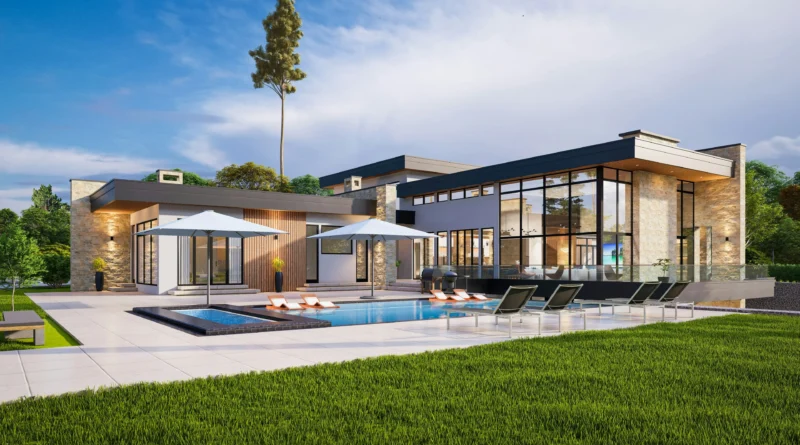
How To Create A Unique Facade Design
A building’s facade is more than its outer layer. It acts as a clear sign of identity, local culture, and practical use. For architects and designers, the main task is to build a facade that handles technical needs. At the same time, it should touch people’s feelings. The work mixes art, solid engineering, and care for the environment. This holds true for tall commercial towers or simple residential homes. A fresh facade design can change how folks see and connect with a structure. I’ve seen projects where a simple tweak in the front made a whole neighborhood feel alive.
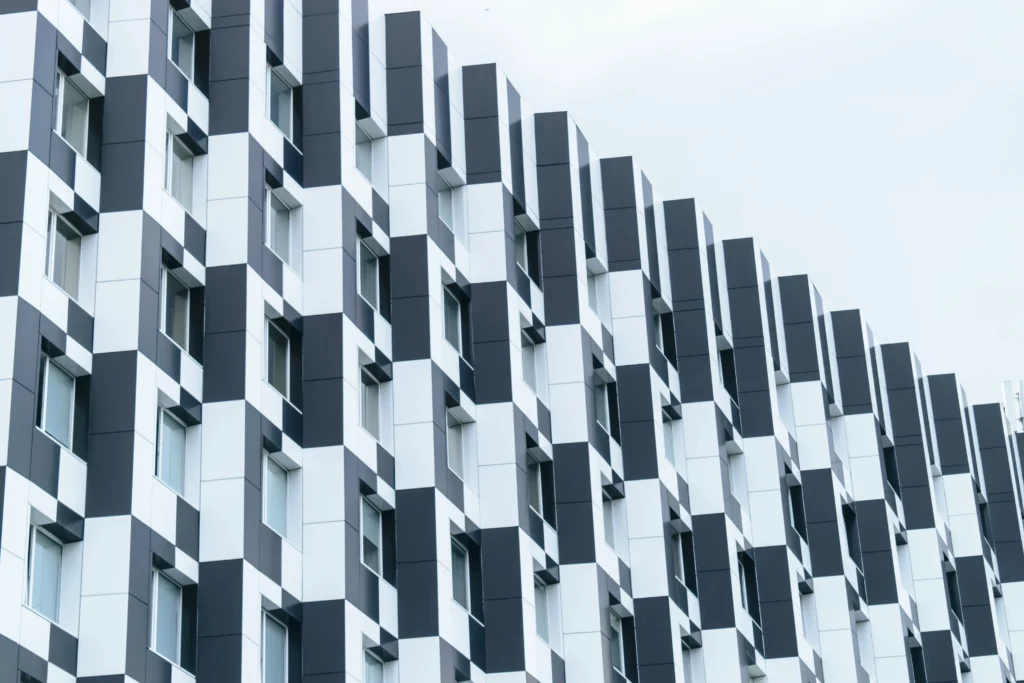
What Defines A Unique Facade Design?
A special facade design catches the eye because it blends fresh ideas with real goals. It goes beyond just looks. Instead, it ties in how well it works, green practices, and the place around it. Picture it as a chat between the building and its spot. This chat shows the local weather, easy-to-get materials, and bits of culture. In one city project I recall, the facade used local stone to fit right in, avoiding that out-of-place feel.
Integration of Function and Form
In facade work, the shape comes from what it needs to do. The outer wrap must handle light, fresh air, and steady warmth inside. All this while keeping a nice view from outside. Take tropical spots, for instance. There, facades often add shade covers or hole-filled screens. These cut down on extra heat. Yet they let air move through. This mix of good looks and real help marks today’s building ways. It’s not fancy talk; it’s about daily comfort.
Material Selection as Identity
Picking materials is a strong way to show what the facade means. Glass gives a see-through, up-to-date vibe. Stone brings a sense of lasting strength. Metal sheets point to new ideas. But choosing isn’t only about how it seems. It’s also about how it holds up over years, bounces light, and faces rain or wind. Lately, folks in design have picked mixed materials. These offer toughness plus bend for tricky shapes. For example, in a seaside build, we chose rust-proof metal to last against salt air without extra fixes.
Cultural and Environmental Context
Each place tells its own tale. A good facade design listens to that tale. It doesn’t push it aside. In busy city spots, shiny glass can mix a tall building into the sky line. In old areas, red brick or wood can match past skills. The world around it counts too. Facades with built-in cool-down parts help save power. They make a big difference in energy use. Think of a desert town where screens block sun but let breezes in—simple, yet it cuts cooling bills by 30% in real tests.
How Do Materials Influence Facade Design?
Materials shape not just the sight of a building. They also set how it acts through the years. They touch on warmth keeping, fix-up needs, and even how comfy people feel inside. To pick the best mix, you balance money smarts with lasting green ways. It’s a trade-off that pays off if done right.
Sustainable Material Choices
Green choices sit at the heart of facade plans now. Used aluminum covers or saved wood boards show up more often. They cut down on built-in pollution. Plus, they add rough feel and cozy warmth. Some builders try living-based stuff like mushroom mixes or fast-growing bamboo sheets. These grow back quick unlike old picks. In a recent office build, reclaimed wood not only looked great but also dropped the project’s carbon mark by half, based on supplier data.
Performance-Driven Materials
Top-notch glass setups have changed today’s facades a lot. They control sun rays without blocking the view. Double-skin facades work well here. An outer glass wall makes an air space that insulates. This helps steady room temps in work buildings. It’s especially handy in places with big day-night shifts. One example is a European tower where this setup kept inside steady at 22°C even when outside swung from 5°C to 35°C.
Maintenance and Longevity Considerations
A fine facade turns dull if upkeep gets too hard. Materials hit by city dirt or sea salt need guard coats or regular washes. Builders should think about full-life costs from the start. Don’t just eye the first bill. In coastal spots, for instance, skipping this step once led to panels needing full replace after just five years—costly lesson.
Why Is Technology Essential In Modern Facade Design?
Tech has changed how builders dream up facades. It goes from computer drawings to systems that shift with weather on their own. This shift makes designs smarter and easier to handle.
Parametric Modeling Tools
Parametric programs let designers test wild shapes fast. They check strength and material fit at the same time. Tools like Grasshopper for Rhino give tight grip on shape-making through set rules. No more hand sketches. It speeds things up. In a workshop I heard about, this cut design time from weeks to days for a curved front.
Smart Facade Systems
Facades with built-in sensors tweak shade or air flow on auto. They react to sun strength or heat changes. This boosts inside ease. It also trims power use way down from fixed covers. Popularity grows because it saves cash—up to 40% on bills in some green-rated builds.
Digital Fabrication Techniques
Machine cutting and 3D building have unlocked fresh paths for made-to-order panels. Costs drop below old ways. Tricky designs that hands couldn’t do now come out exact with computer help. A small firm used this for a wavy pattern that would’ve cost triple by hand.
How Does Climate Shape Facade Strategies?
Designs that fit the weather stay key to green building. A smart facade can slash power needs big time. It works with local air, not against it. This approach feels natural, like the building breathes with the land.
Passive Cooling Approaches
In warm lands, wide roof edges or side fins block strong sun at high times. They still let soft light in. Hole-punched metal guards—called mashrabiya in Middle East styles—do the same with a nod to old ways. These cut heat by 25% in sunny spots, per studies from hot regions.
Insulation for Cold Regions
In chill areas, thick warm panels stop heat from slipping out. Triple-layer glass stops wet build-up in lived rooms. Tight seals matter most. Small gaps can waste heaps of energy. One northern home I read about saved 50% on heat with better seals alone.
Adaptive Ventilation Systems
Blended air flow mixes natural drafts with machine help when it’s needed. Movable slats in the facade pull in clean air on nice days. They keep safety and looks intact. This setup shines in swingy climates, easing the load on full AC systems.
What Role Does Lighting Play In Facade Expression?
Light changes how a building speaks at night. It spots out shapes and feels. It also sets how safe and lively the area seems to walkers. Good lighting isn’t just pretty; it draws people in.
Daylight Optimization
Smart spots for windows pull in sun light max without harsh shine inside. Light ledges push rays further into spaces. This cuts need for fake lights in day hours. In schools, this means brighter rooms and less eye strain for kids.
Nighttime Illumination Concepts
Building lights boost see-ability. They also tell stories—like LED setups that shift colors soft for events or times of year. A festival hall used this to match night skies, making it a local draw.
Energy-Efficient Lighting Solutions
LED lights lead because they use little power. They offer bendy color options for spot lights or wide covers on big walls. This fits both small touches and full face glows. Switching to LEDs in one mall dropped lighting costs by 70%, a real win.
How Can You Balance Creativity And Regulations?
Free design ideas often bump into real limits. Things like area rules or fire safety guides shape what you can do. It’s a puzzle, but solving it leads to stronger builds.
Compliance With Local Building Codes
Fire-safe cover materials might curb some style picks. But they save lives in bad times. Wind checks set panel depth on high builds near stormy shores. Following these keeps things safe without killing the spark.
Collaboration With Engineers And Contractors
Talking early stops big fix-ups later. When build facts clash with art dreams, it hurts. Bringing in experts from the first idea makes on-site work smoother. A team I know started this way and finished two weeks ahead.
Budgetary And Timeline Management
Bold plans must fit real money flows. Breaking tough facades into steps spreads costs. It keeps quality high. In tight budgets, this phased way turned a dream design into reality without cuts.
FAQ
Q1: What makes a facade design truly unique?
A: A unique design harmonizes form, function, materiality, culture, and environment rather than relying solely on ornamentation or novelty features.
Q2: How do sustainable materials impact long-term performance?
A: Sustainable materials lower operational costs by improving insulation efficiency while reducing carbon footprint through responsible sourcing practices.
Q3: Why are smart facades gaining popularity?
A: Smart facades respond automatically to environmental changes like sunlight intensity or temperature shifts which enhances comfort inside buildings efficiently.
Q4: Can technology replace traditional craftsmanship in facades?
A: Technology complements rather than replaces craftsmanship; digital fabrication enables precision whereas artisans bring tactile nuance impossible via machines alone.
Q5: What’s the biggest mistake architects make when designing facades?
A: Over-prioritizing appearance at expense of maintenance practicality often leads to premature deterioration requiring expensive repairs later on.