
How To Design Greenery Architecture Projects
Greenery architecture blends eco-friendly ideas with fresh design approaches. It goes beyond simply placing plants on buildings. Instead, it builds active living setups that provide fresh air, offer shade, and help control the surroundings in built areas. Cities deal with tough weather challenges these days. So, greenery in architecture does more than look nice. It works in real ways. You can track its effects. And it connects deeply with people. I remember visiting a park-like office building once, and it just felt calmer right away—small touches like that make a big difference in busy urban spots.
What Defines Greenery Architecture?
Greenery architecture means adding plants right into building plans to boost eco-friendly results and improve how people feel. Before we get into the steps, it pays to explain what really makes a project “green” here. Not all plant additions count the same way.
Integration of Living Systems
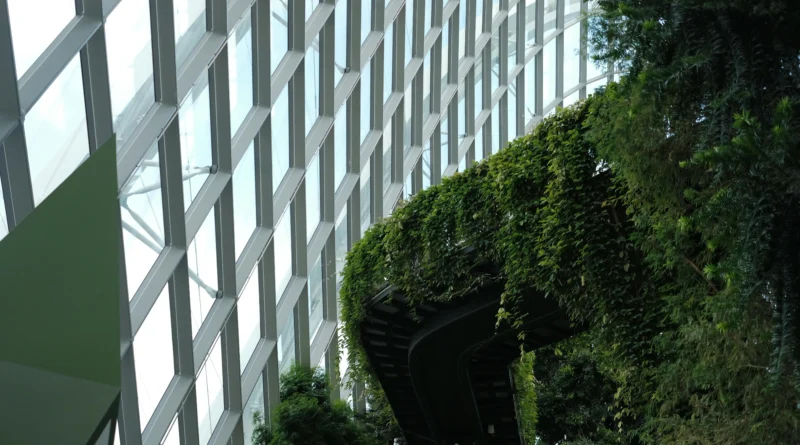
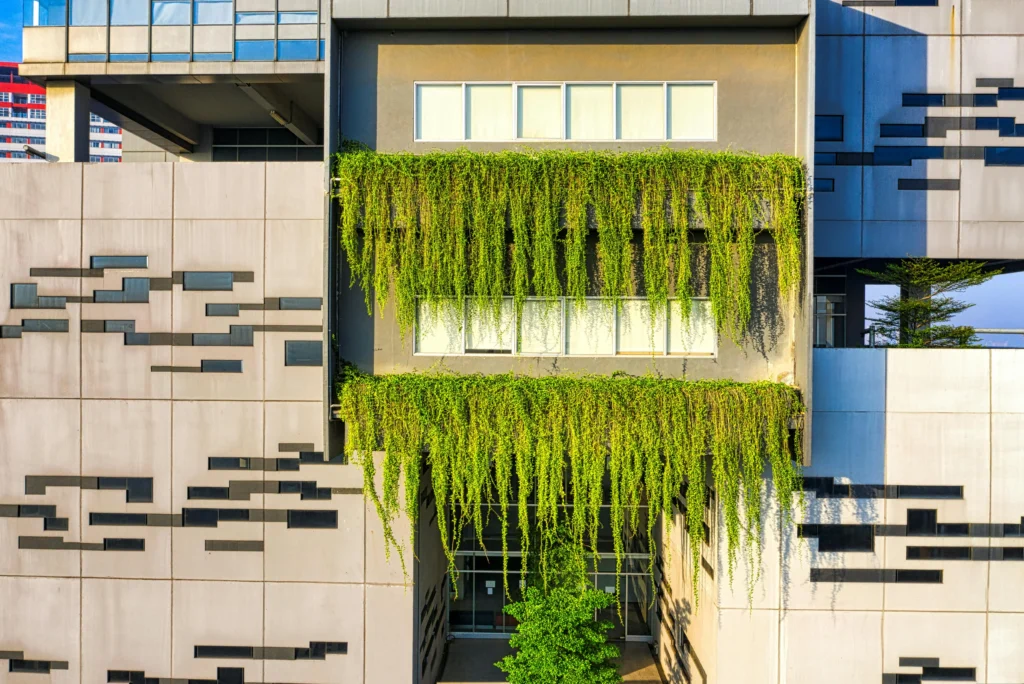
A design with greenery ties plants closely to the building’s framework. Think green roofs, wall gardens, or covered open areas. Plants turn into key parts that help the whole structure work better. Architects pick hydroponic setups or dirt-based ones based on the local weather and how much upkeep they can handle. Take Singapore’s Oasia Hotel Downtown as an example. It features more than 21 kinds of climbing plants on its outside walls. These cut down on heat buildup. At the same time, they boost local wildlife variety. In my experience from similar projects, starting with simple climbers like that keeps things manageable without overwhelming the team.
Environmental Performance
You measure greenery architecture by clear gains you can count. It cleans the air. It cuts back on city heat buildup. And it handles rainwater better. Reports from the U.S. Green Building Council point out that green roofs drop roof heat by as much as 30°C next to regular surfaces (USGBC, 2021). That’s a huge drop, especially in hot summers where black tar roofs can feel like ovens.
Human-Centered Design
Numbers aside, greenery helps people relax mentally and build ties with others. Ideas from biophilic design say that being near nature cuts stress. It also lifts work output. This matters a lot in office spaces and homes now. Workers in green offices often report feeling more focused, based on chats I’ve had with folks in the field.
How Can You Plan a Greenery Architecture Project Effectively?
Planning turns big ideas into real plans. A good greenery project starts by checking the site, available tools, and upkeep needs over time. You do this before drawing anything. Skip this, and things can go wrong fast.
Site Analysis and Climate Strategy
First, look at the spot closely before picking plants or water setups. Check things like sunlight, wind paths, dampness, and rain amounts. In dry hot places like Dubai, you need shade covers with plants that handle little water. This keeps everything lasting. In wet warm areas like Kuala Lumpur, wall plants cut bright light and help air move. I once saw a project there where they used local vines, and it saved so much on cooling bills—practical wins like that show why site checks matter.
Material Selection and Structural Considerations
Picking materials shapes how well plants grow and how long the building holds up. Light dirt mixes avoid extra weight on tops or sides. Metals that resist rust or wood treated for wet spots last longer. The frame has to allow roots to spread. But it must keep water out too. People often miss this until issues pop up years down the line. From what I’ve seen in builds, testing small sections early prevents big headaches.
Maintenance Planning
How you handle upkeep decides if the greenery stays healthy or dies off after it’s done. Water systems that run on their own with wetness checks are common now in big jobs. Plan paths for trimming or swapping plants right at the start. Don’t wait until you need ladders every few months. That just adds hassle and cost.
Why Is Plant Selection Critical in Green Design?
Choosing plants sets the eco-win and the look of your work. Bad picks mean lots of plants die or use too much water. Smart ones build setups that run on their own and change nicely as years pass. It’s like picking the right team for a game—everyone has to fit the field.
Native Species Advantage
Local plants fit right into the area’s weather and ground. They need less water and fight bugs better. In spots around the Mediterranean, jobs often use lavender or olive trees. These handle dry spells well. They also keep the local feel. Picking homegrown plants helps city wildlife too. It’s a quiet way to aid nature in towns. One project I heard about in Spain used just natives, and the birds came back within a season—cool side effect.
Layered Planting Systems
Mix tall trees, bushes, climbers, and low plants. This makes levels like in wild woods. It shades better. It cleans air more. Plus, it gives color and feel changes by season. That’s key for keeping eyes interested year after year. Layers also create little habitats, which feels more natural than flat plant walls.
Seasonal Adaptability
Pick plants that flower at different times. This keeps life going all year. No empty spots for long stretches. Mix always-green climbers with ones that drop leaves. It holds the look steady but follows nature’s beat. In colder areas, this mix prevents that stark winter bareness that can make buildings feel cold and unwelcoming.
How Does Technology Support Greenery Architecture?
New tools change how builders picture and care for plant systems in structures. Computer models now guess how plants will grow far into the future. This helps a ton when setting up lasting plant spots on tricky walls or tops. Tech makes the guesswork smaller, but you still need hands-on tweaks sometimes.
Building Information Modeling (BIM) Integration
BIM tools let you test plant spread next to things like air vents or water lines. This spots problems before building starts. Live data links help managers watch water times after people move in. They use digital copies tied to weather trackers (Autodesk Research Report, 2022). It’s like having a virtual guide that updates itself.
Smart Irrigation Systems
Internet-linked water setups change flow by checking dirt wetness. They beat set clocks. This cuts water use by half each year, per EPA WaterSense info (EPA, 2020). Great for big sites where checking by hand costs too much. In one office tower, they saved enough to cover the setup cost in two years—real money back.
Energy Simulation Tools
Programs like EnergyPlus show how plant covers change heat inside buildings. Key for proving green choices in early checks or LEED steps (U.S. DOE Technical Paper Series). These tools help explain why the extra effort pays off in lower bills.
What Are the Economic Benefits of Greenery Architecture?
Starting costs run higher than plain designs. But over time, savings from less energy and higher building worth beat that. Money folks see these as solid gains now, not just pretty add-ons. It’s shifting how projects get funded.
Reduced Energy Costs
Plant walls work like natural covers. They cut cooling needs in warm times by blocking sun heat up to 60%, based on facing (World Green Building Council Data Review). Big savings for tall business buildings where AC eats most power. Imagine flipping that bill down—tenants notice.
Increased Property Value
CBRE studies from 2021 show spots with clear greenery get rent hikes of 4 to 7%. That’s from folks wanting healthy spots for work or living (CBRE, 2021). Green views pull in better crowds, steady income.
Extended Building Lifespan
Plant sides guard outside parts from sun rays and temp swings that crack or fade stuff. This stretches outer life. It halves paint jobs in mild weather areas (Building Science Journal Review). Less fix-ups mean more cash in pocket long-term.
How Can Cities Implement Large-Scale Greenery Projects?
For whole cities to add greenery, teams of builders, planners, leaders, and locals must team up. Not just single private tries. Good cases around the world show how group rules speed up greener city views. They fit with keeping buildings close together too. Sometimes it starts slow, but momentum builds once a few spots shine.
Policy Incentives
Places like Singapore require base green space amounts for new builds under their Landscape Replacement Policy (Urban Redevelopment Authority Guidelines). Rules like this push builders to add wall plants. They see it as must-do, not extra that gets cut for budget reasons. Policies make it stick.
Public-Private Collaboration
Links between city offices and business backers pay for big update plans. Like Berlin’s “Grüne Dächer” program. It helps add green tops to old homes from before better insulation days (City of Berlin Environmental Office Report). Teamwork spreads the load and gets more done fast.
Education and Community Engagement
Info drives teach folks about caring for shared green areas. They learn it’s not all on the city. A common snag in Europe tests shows this (ICLEI Urban Sustainability Reports, 2022). When people join in, spaces last and feel owned. Workshops or simple guides help bridge that gap.
FAQ
Q1: What is the main goal of greenery architecture?
A: Its main goal is integrating vegetation within built environments to improve environmental quality while enhancing occupant well-being.
Q2: Which plants work best for vertical gardens?
A: Drought-tolerant climbers such as ivy or jasmine perform well due to low water requirements and high adaptability across light conditions.
Q3: How much maintenance does a green roof need?
A: Maintenance varies but typically includes biannual inspections for drainage clearance and periodic replanting every two years depending on climate exposure.
Q4: Are there certifications specific to greenery architecture?
A: While not standalone yet, LEED v4 includes credits under Sustainable Sites related directly to vegetative surfaces contributing toward certification points.
Q5: Can greenery architecture help mitigate urban flooding?
A: Yes; vegetated roofs retain rainwater temporarily before gradual release into drainage networks thereby reducing peak runoff volumes during heavy storms according to multiple hydrology studies published since 2018 by global environmental research institutes.