
Can a Concrete Facade with Green Integration Redefine Sustainable Architecture
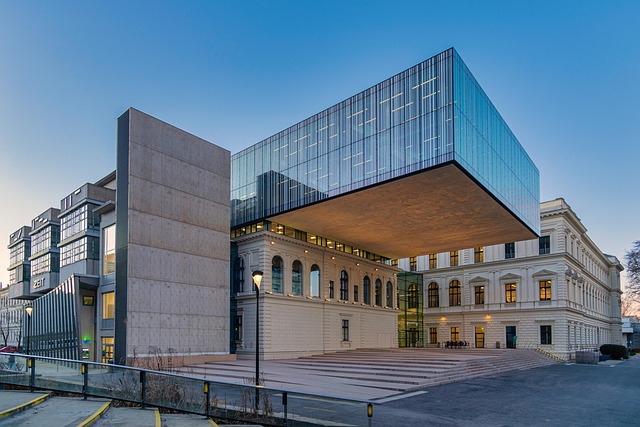
Faceted Concrete Facade with Integrated Green Spaces
Concrete facades have evolved from purely structural shells into active environmental systems that shape sustainable architecture. Their thermal inertia stabilizes indoor climates, while new low-carbon mixes and green integrations transform them into living surfaces. By merging vegetation and digital design tools, architects now craft facades that absorb carbon, cool cities, and enhance biodiversity. The future of sustainable construction lies in this synergy between material science and ecological intelligence, where concrete-green hybrids redefine both performance and aesthetics.
The Role of Concrete Facades in Modern Sustainable Architecture
Concrete remains central to architectural sustainability due to its durability and energy efficiency. However, its carbon footprint demands innovation in both composition and application.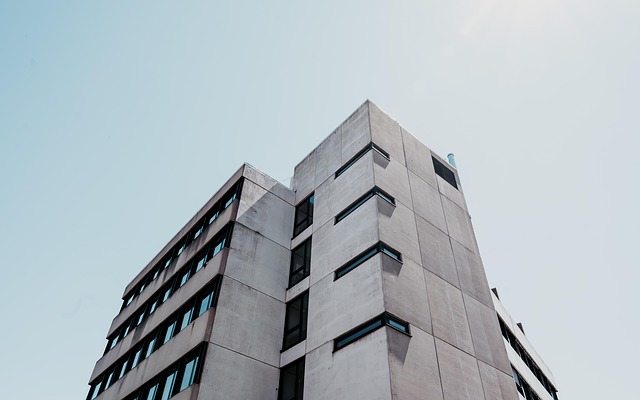
Understanding the Environmental Potential of Concrete
Concrete’s thermal mass enables buildings to absorb heat during the day and release it at night, reducing reliance on mechanical cooling. This passive regulation can cut energy use by up to 25% in temperate climates, as documented by IEA building performance studies. Yet embodied carbon remains a challenge: traditional Portland cement accounts for nearly 8% of global CO₂ emissions. To address this, producers adopt supplementary cementitious materials like fly ash or slag that lower clinker content. Emerging geopolymer concretes further reduce emissions by using industrial byproducts activated with alkaline solutions, achieving up to 80% lower carbon intensity compared to conventional mixes.
Architectural Flexibility and Aesthetic Value
Concrete facades offer unmatched adaptability across forms—from monolithic brutalist surfaces to perforated panels that modulate light. Through surface treatments such as acid etching or photocatalytic coatings, designers influence reflectivity, self-cleaning capacity, and even air purification potential. These finishes not only enhance visual appeal but also extend lifespan by resisting pollutants and biological growth. The balance between aesthetics and sustainability depends on selecting durable finishes that minimize maintenance cycles without compromising architectural expression.
Integrating Green Systems with Concrete Facades
The integration of living systems into concrete envelopes transforms static walls into dynamic ecological interfaces. This approach merges structure with biology to improve environmental quality both indoors and outdoors.
The Concept of Green Integration in Building Envelopes
Green integration refers to the deliberate fusion of structural materials with vegetation-based systems such as vertical gardens or moss walls. These biofacades act as natural filters for particulates while moderating temperature fluctuations along the building skin. Studies from ISO 14040-compliant LCAs show that such systems can reduce façade surface temperatures by up to 10°C during peak summer conditions, improving comfort levels for occupants nearby.
Design Strategies for Green Integration on Concrete Surfaces
Designing plant-supporting systems requires careful attention to anchoring details and load distribution within the concrete facade panels. Stainless-steel mesh frames or modular planters are often embedded during casting to provide secure rooting zones. Efficient water management is critical: drip irrigation integrated with greywater reuse reduces consumption while maintaining healthy vegetation layers. Long-term performance depends on accessible maintenance routes for pruning, irrigation checks, and replacement planting—tasks often overlooked during early design stages but essential for system longevity.
Thermal Performance and Energy Efficiency Enhancements
Hybrid facades combining concrete’s mass with vegetation’s shading properties represent a high-performing envelope typology that directly contributes to building energy reduction targets.
Passive Cooling Through Green Facade Systems
Vegetation provides natural shading that limits solar radiation absorption on concrete surfaces. Measurements from urban testbeds indicate solar heat gain reductions between 30–60%, depending on plant density and leaf area index. Evapotranspiration further cools surrounding air by releasing moisture vapor, stabilizing local microclimates especially in dense urban districts where heat accumulation is severe.
Insulation Synergies Between Concrete and Vegetation Layers
Plant layers complement concrete’s thermal inertia by adding an external buffer zone against temperature swings. During winter, this layer traps still air pockets that enhance insulation; in summer it prevents direct solar exposure of the façade surface. Seasonal simulations using parametric models show annual HVAC savings ranging from 12–18% when vegetation coverage exceeds half the wall area.
Ecological and Urban Benefits of Concrete-Green Hybrid Facades
Beyond building-level efficiency, hybrid facades contribute significantly to urban ecological resilience through biodiversity support and climate moderation.
Enhancing Urban Biodiversity Through Vertical Greenery
Vegetated façades create microhabitats for insects and birds otherwise excluded from dense cityscapes. Species selection depends on orientation—shade-tolerant ferns suit north-facing walls while drought-resistant sedums thrive on sunlit exposures. When replicated across multiple buildings, these habitats form vertical corridors linking fragmented ecosystems across city blocks.
Mitigating Urban Heat Island Effects with Hybrid Facades
At scale, vegetated concrete facades lower ambient air temperatures through evapotranspiration and reduced surface emissivity. Research under the IEA Annex 79 framework reports citywide temperature drops up to 2°C when green infrastructure covers more than 20% of façade area within a district plan.
Material Innovation Driving Sustainable Concrete Facades
Recent advances in material science are redefining what concrete can achieve environmentally without compromising structural integrity.
Advances in Sustainable Cementitious Materials
Carbon capture technologies now allow partial reabsorption of CO₂ during cement curing stages, creating near-neutral emission pathways verified under ISO 14067 standards for product carbon footprints. Additive manufacturing further refines resource use by depositing material only where needed—cutting waste rates below 5% compared with traditional precast methods.
Incorporating Recycled Aggregates and Industrial Byproducts
Recycled aggregates from demolition waste replace virgin stone while maintaining compressive strength within acceptable ranges defined by EN 206 standards. Industrial byproducts like silica fume improve density and reduce permeability, extending service life even under aggressive urban pollution conditions.
Digital Tools Supporting Design Optimization of Green Concrete Facades
Digitalization has become indispensable for managing complexity across environmental simulation, fabrication precision, and lifecycle tracking.
Parametric Modeling for Environmental Performance Analysis
Parametric tools simulate interactions between sunlight patterns, plant growth behavior, and thermal response of the concrete facade over time. Designers adjust variables such as vegetation density or panel geometry based on real-time feedback loops derived from computational models calibrated with meteorological data sets.
Building Information Modeling (BIM) Integration
BIM platforms allow multidisciplinary coordination among architects, engineers, landscape specialists, and facility managers throughout a project’s life cycle. Embedded data about material origins or irrigation systems supports predictive maintenance scheduling aligned with sustainability metrics used in LEED or BREEAM certifications.
Long-Term Durability and Maintenance Considerations
Durability remains a defining factor for hybrid façade viability since moisture dynamics between concrete substrates and biological layers can accelerate degradation if unmanaged.
Managing Moisture Interaction Between Concrete and Vegetation
Waterproof membranes applied behind planting modules prevent seepage into structural cores while breathable coatings allow vapor diffusion outward—maintaining equilibrium between hydration needs of plants and protection requirements of the structure itself.
Lifecycle Assessment (LCA) Approaches for Hybrid Systems
Comparative LCAs show that operational energy savings over a building’s lifespan often offset initial embodied impacts associated with green system installation within ten years of operation when measured per ISO 21930 methodology benchmarks.
Socio-Cultural Dimensions of Green Integrated Concrete Architecture
Beyond technical merits lies an evolving cultural narrative where materiality expresses ecological consciousness through built form.
Human Experience and Biophilic Design Principles
Visual contact with greenery enhances psychological well-being; studies link it to reduced stress hormones by nearly 15%. In workplaces framed by living facades, employees report higher productivity due to perceived connection with nature—a principle central to biophilic design theory validated across multiple post-occupancy evaluations globally.
Architectural Identity in Contemporary Urban Contexts
Concrete-green hybrids reshape city skylines once dominated by glass towers into textured landscapes reflecting ecological values rather than industrial power—a subtle yet profound shift signaling maturity in sustainable design culture worldwide.
Policy Frameworks Encouraging Green Facade Adoption
Regulatory mechanisms increasingly recognize hybrid façades as legitimate contributors toward climate adaptation goals within urban planning codes.
Regulatory Incentives for Sustainable Building Envelopes
Several metropolitan authorities grant floor-area bonuses or expedited permitting for developments incorporating vegetated envelopes meeting specified coverage ratios under municipal green infrastructure policies inspired by UN-Habitat guidelines.
Certification Pathways Recognizing Hybrid Facade Contributions
Green rating systems allocate credits for façade-integrated vegetation under categories addressing site ecology enhancement or energy performance improvement; documentation typically includes LCA data sets validated through accredited third-party auditors per ISO/IEC 17029 requirements.
Future Directions in Research and Practice
Emerging research explores microbial concretes capable of self-healing cracks via calcite precipitation while supporting root adhesion without corrosion risk—an innovation bridging biotechnology with civil engineering frontiers. Collaborative frameworks uniting materials scientists, ecologists, digital engineers, and policy experts are shaping regenerative design paradigms focused not merely on reducing harm but actively restoring ecosystems through architecture itself.
FAQ
Q1: How do concrete facades contribute to energy savings?
A: Their thermal mass stabilizes interior temperatures by absorbing daytime heat and releasing it at night, lowering HVAC demand significantly over time.
Q2: What maintenance challenges arise from green-integrated facades?
A: Irrigation balance is critical; excess moisture may damage waterproofing layers if monitoring systems fail or drainage paths clog.
Q3: Are low-carbon concretes structurally reliable?
A: Yes; geopolymer mixes meet international strength standards while offering substantial emission reductions compared to traditional Portland cement blends.
Q4: Can vegetated facades improve air quality?
A: Vegetation captures airborne particulates like PM₂․₅ while promoting oxygen exchange around dense urban zones where ventilation is limited.
Q5: Which certifications reward projects using hybrid façades?
A: Programs such as LEED v4 BD+C award points under categories related to site ecology restoration, water efficiency, and energy optimization when documentation meets verified LCA criteria.