
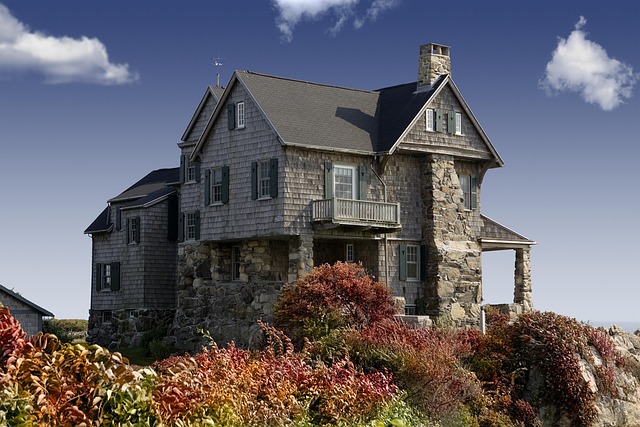
Is A Rustic Farmhouse With Wrap Around Porch The Key To Timeless Charm
19 Wraparound Porch Design Ideas to Add Charm
A rustic farmhouse with wrap around porch stands as a symbol of timeless architecture where craftsmanship meets comfort. The wraparound porch, both practical and poetic, extends the living space while grounding the structure in its natural surroundings. This design not only enhances curb appeal but also evokes a sense of nostalgia and belonging that modern homes often lack. For experts in architecture and design, the charm lies in its proportions, materials, and how it harmonizes with landscape and lifestyle—an enduring balance of form and function that continues to inspire contemporary interpretations.
The Architectural Allure of a Rustic Farmhouse with Wrap Around Porch
The rustic farmhouse aesthetic captures the essence of rural heritage while adapting to modern living standards. Its architectural allure lies in authenticity, tactile materials, and balanced geometry that connect human experience with nature.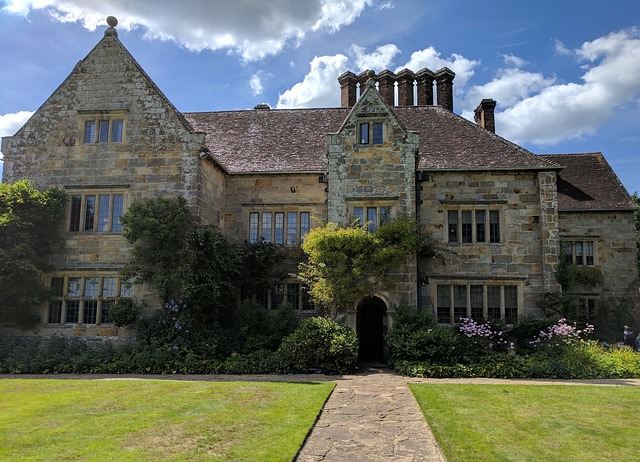
The Timeless Appeal of Rustic Farmhouse Design
The farmhouse style blends simplicity with craftsmanship rooted in regional traditions. Natural materials such as reclaimed wood, rough-hewn beams, and local stone bring warmth and durability. Historically, these homes evolved from agricultural necessity—structures built for resilience against weather while offering communal gathering spaces. The rustic farmhouse’s connection to pastoral landscapes continues to resonate because it celebrates imperfection and honesty in construction.
The Functional and Aesthetic Role of a Wrap Around Porch
A wrap around porch serves both utility and beauty. It extends interior living areas outward, creating transitional zones ideal for ventilation and shade. Functionally, it moderates temperature by reducing solar gain on exterior walls. Aesthetically, the continuous porch line enhances symmetry and gives rhythm to façades. It also becomes a social stage—a place for conversation at dusk or quiet reflection at dawn.
Design Principles for Integrating a Wrap Around Porch into a Farmhouse
Integrating a wraparound porch requires precision in proportion and sensitivity to existing architectural language. Each element—from column spacing to roof pitch—must align with the farmhouse’s structural integrity.
Proportion, Scale, and Visual Balance
Balanced rooflines maintain harmony between the main structure and the porch extension. Columns placed at consistent intervals create rhythm while preventing visual monotony. Railings should be scaled to human height yet visually light enough not to obscure views. When porch dimensions overwhelm the main body, the result feels heavy; when too slight, it loses presence.
Material Selection for Authentic Rustic Character
Material choice defines authenticity. Reclaimed timber offers patina that new lumber cannot replicate. Natural stone foundations anchor the structure visually while providing thermal mass benefits. Matte finishes on metals resist glare and age gracefully. Using locally sourced materials supports sustainability by reducing transport emissions while reinforcing regional identity—a principle increasingly valued under ISO sustainable construction guidelines.
Enhancing Curb Appeal Through Architectural Detailing
Curb appeal stems from detail—the interplay between structure, color, texture, and light that gives a farmhouse its soul.
Structural Elements that Define Character
Exposed beams reveal craftsmanship once hidden behind plaster or siding. Trusses frame porches dramatically while distributing load efficiently. Decorative skirting or latticework adds depth without excess ornamentation. Roof overhangs protect surfaces from rain but also cast shadows that accentuate architectural lines throughout the day.
Color Palettes and Finishes that Evoke Warmth
Earth tones—ochre, sage, clay—paired with muted whites or creams create timeless contrast suitable for rural settings. Distressed paint techniques can highlight grain patterns in wood cladding or shutters. Consistency across trim, railing, and door finishes unifies the visual composition even when textures vary.
Designing for Functionality and Comfort on the Porch
Comfort is as vital as aesthetics in any wraparound porch design; usability across seasons determines whether it becomes an active living area or mere decoration.
Layout Strategies for Usability Across Seasons
Porch layouts benefit from zoning—dining near kitchen access points, seating corners oriented toward views or breeze direction. Ceiling fans circulate air during humid months; radiant heaters extend use into autumn evenings. Retractable screens preserve openness while blocking insects when needed.
Lighting Design for Ambiance and Safety
Layered lighting transforms porches after sunset without overpowering natural ambience. Lantern-style sconces echo traditional farmhouse fixtures yet fit LED technology discreetly within classic forms. Step lights embedded into risers improve safety along transitions without drawing attention away from architectural lines.
Landscaping Integration with a Rustic Farmhouse Porch
The success of a rustic farmhouse with wrap around porch depends greatly on how it merges with its environment rather than standing apart from it.
Creating Seamless Transitions Between Architecture and Nature
Pathways should follow organic routes leading naturally from gate to steps rather than rigid geometric lines. Native plantings soften boundaries between built form and terrain while requiring less irrigation—a practice aligned with IEA sustainable water management principles. Terraced landscaping manages elevation shifts gracefully using dry-stacked stone walls or timber edging.
Outdoor Features that Complement the Rustic Theme
Rock gardens blend texture beneath wide eaves; wooden fences define property edges without isolating them visually. Vintage planters crafted from galvanized steel or terracotta reinforce rustic character through patina over time. Water features like shallow trough fountains add gentle soundscapes enhancing relaxation zones along shaded sections of the porch.
Interior Continuity: Linking Indoor Spaces with the Wrap Around Porch
Visual continuity between interior rooms and exterior porches strengthens spatial flow while amplifying natural light penetration deep into living areas.
Visual Flow Between Interior Rooms and Exterior Views
Large windows positioned opposite doors allow sightlines through multiple axes of the home—a technique often used in vernacular farmhouses to track daylight movement across seasons. French doors blur boundaries between kitchen or parlor interiors and outdoor seating zones when opened fully during mild weather.
Furnishing Choices that Reflect Exterior Aesthetics Indoors
Furniture choices bridge both worlds: oak tables echo exterior decking boards; woven jute rugs mirror outdoor textures; linen drapery maintains breathability akin to open-air comfort zones outside.
Modern Adaptations of the Rustic Farmhouse Concept
Today’s interpretations maintain rustic warmth but embrace technological advancement discreetly integrated within traditional frameworks.
Blending Traditional Charm with Contemporary Functionality
Smart home systems manage climate control invisibly behind reclaimed-wood walls or under tin roofs without altering appearance. Minimalist detailing replaces ornate trim yet retains tactile richness through material authenticity rather than embellishment—a balance favored by architects seeking longevity over trend cycles.
Sustainable Practices in Modern Farmhouse Construction
Energy-efficient glazing reduces heat transfer across large window spans common in porches wrapping southern elevations. Passive design strategies—like orienting porches toward prevailing winds—reduce mechanical cooling needs by up to 30%, as reported by IRENA climate-responsive building studies.
Emotional Resonance: Why the Rustic Farmhouse with Wrap Around Porch Endures
Beyond technical merit lies emotional depth—the reason this typology persists despite evolving building technologies.
The Psychological Impact of Nostalgia in Design
Familiar silhouettes evoke comfort reminiscent of ancestral homes where porches framed daily rituals from sunrise coffee to evening gatherings. Such spaces slow life’s pace naturally; they invite conversation rather than distraction—a rare quality amid modern speed-driven environments.
Cultural Relevance in Contemporary Architecture
Farmhouses adapt regionally—from American Midwest plains to European countryside—yet consistently symbolize permanence and belonging. Their enduring popularity among architects stems not just from form but from meaning: home as sanctuary connected deeply to land and community rhythms.
FAQ
Q1: What makes a rustic farmhouse with wrap around porch architecturally unique?
A: Its uniqueness lies in blending handcrafted details with functional outdoor extensions that unify structure, landscape, and lifestyle seamlessly.
Q2: Which materials best express authentic rustic character?
A: Reclaimed wood, fieldstone bases, matte-finished metal accents, and limewash paints collectively convey aged beauty rooted in locality.
Q3: How can lighting enhance both safety and mood on such porches?
A: Combining ambient lanterns with discreet step lights provides visibility without glare while preserving warm atmosphere after dusk.
Q4: Are modern technologies compatible with traditional farmhouse aesthetics?
A: Yes; concealed smart systems allow comfort upgrades without disrupting visual harmony or material honesty central to rustic design philosophy.
Q5: Why do homeowners continue favoring this style today?
A: It evokes emotional connection through nostalgia while offering practical adaptability suited for contemporary sustainable living standards.