
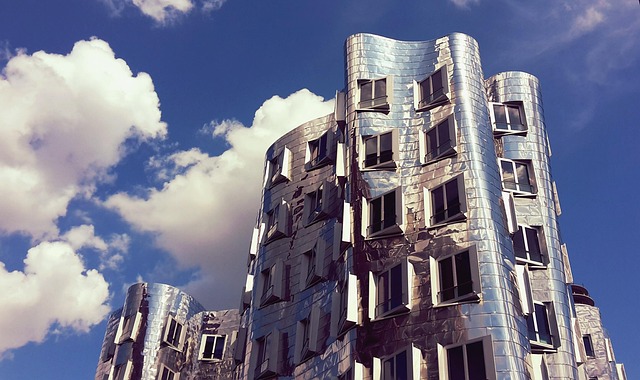
Is Facade Architecture Evolving Toward Sustainable Design Principles
Andriy Ozeychuk Presented Trends in Facade Architecture
Sustainable facade design has shifted from ornamentation to performance-driven systems that actively contribute to a building’s environmental goals. The transformation is not only aesthetic but deeply functional, where energy efficiency, recyclability, and adaptability define architectural relevance. Today’s facades must respond to climate data, integrate renewable technologies, and align with circular economy frameworks. This evolution represents a paradigm where architecture becomes an ecological agent rather than a static structure.
The Transformation of Facade Architecture Toward Sustainability
The modern facade operates as both a protective skin and an intelligent interface between the built environment and nature. Its evolution mirrors the broader transition toward regenerative design, emphasizing resource efficiency and adaptive performance.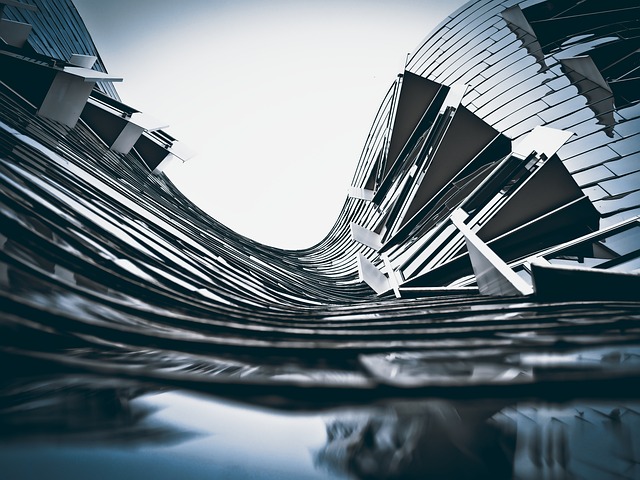
Shifting Paradigms in Architectural Design
Facades are no longer decorative shells; they regulate light, temperature, and air quality. Architects now treat them as active systems that influence occupant comfort and energy use. Sustainable design principles guide these systems through material selection that extends lifecycle performance while reducing environmental impact. The movement toward regenerative architecture shows how facades can produce more value than they consume—capturing energy or filtering air instead of merely enclosing space.
The Role of Environmental Responsibility in Facade Design
Environmental accountability reshapes how facades are conceived. Carbon reduction targets push architects to quantify embodied emissions at every stage. Lifecycle assessment tools identify materials with lower carbon footprints and higher recyclability rates. Regulations such as ISO 14040 on life cycle analysis and certification programs like LEED or BREEAM encourage innovation in facade assemblies by rewarding resource-efficient solutions.
Material Innovation in Sustainable Facade Architecture
Material technology drives the sustainability agenda by transforming traditional resources into low-impact alternatives and introducing bio-based innovations that redefine construction norms.
Reassessing the Use of Concrete Facades
The concrete facade remains prevalent due to its durability and thermal mass properties that stabilize indoor climates. However, its high embodied carbon demands reformulation. Low-carbon concrete incorporating supplementary cementitious materials like fly ash or slag significantly reduces emissions. Recycled aggregates further enhance sustainability while maintaining structural integrity. These advances allow concrete to remain viable within green construction frameworks without compromising performance.
Emerging Alternatives to Traditional Materials
Architects increasingly turn to renewable materials such as laminated timber panels, bamboo composites, and even mycelium-based biocomposites for lightweight yet strong cladding systems. Photovoltaic glass integrates solar energy generation directly into building envelopes, merging aesthetics with functionality. Adaptive materials—those capable of changing opacity or reflectivity—respond dynamically to sunlight or temperature shifts, improving energy balance throughout the year.
Energy Efficiency Through Intelligent Facade Systems
Energy-efficient facades combine passive design logic with active control technologies to achieve optimal performance across climates.
Passive Design Strategies for Thermal Regulation
Double-skin facades create ventilated cavities that buffer thermal exchange while allowing daylight penetration. External shading devices such as louvers or perforated screens reduce solar gain without darkening interiors. Thermal buffering zones between inner and outer layers maintain consistent indoor temperatures across seasonal variations—a principle long validated by simulation studies under ISO 52016 standards for building energy performance.
Active Systems Enhancing Building Performance
Smart facades integrate sensors that adjust shading angles or ventilation openings automatically based on real-time conditions. Dynamic glazing technologies alter transparency depending on solar intensity, minimizing glare while controlling heat transfer. When connected to building management systems (BMS), these responsive components continuously monitor performance metrics and adjust operations for maximum efficiency over time.
Integrating Green Building Elements into Facade Design
Integrating ecological components within facade structures enhances both environmental quality and occupant well-being while contributing measurable sustainability benefits.
Incorporation of Vegetative Systems
Living walls act as natural filters improving air quality by absorbing pollutants and releasing oxygen. They also support biodiversity by creating microhabitats for insects and birds in dense urban environments. Green facades mitigate heat island effects through evapotranspiration processes that cool surrounding air masses. Plant species must be chosen according to local climatic resilience, irrigation needs, and structural load capacity to ensure long-term viability.
Water Management Within Facade Architecture
Rainwater harvesting integrated into vertical surfaces captures runoff for reuse in irrigation or greywater systems. Permeable facade elements enable stormwater filtration before discharge into municipal networks, reducing flood risks in high-density zones. Moisture control layers embedded within wall assemblies prevent condensation-related damage while supporting sustainable maintenance cycles aligned with ISO 9001 quality frameworks.
Digital Tools Driving Sustainable Facade Development
Digitalization empowers architects to simulate environmental behavior before construction begins, enabling data-driven decisions that balance cost with sustainability outcomes.
Computational Design and Simulation Techniques
Parametric modeling tools allow designers to test thousands of geometric variations for optimal solar exposure or airflow patterns. Digital twins replicate real-time building behavior using sensor feedback for predictive maintenance planning—a growing practice supported by IEA research on smart building analytics. Multi-objective algorithms evaluate competing criteria such as daylight access versus thermal comfort, helping refine designs before fabrication starts.
Data-Informed Decision Making in Material Selection
Lifecycle assessment software quantifies embodied carbon across design alternatives, guiding responsible procurement choices. Building Information Modeling (BIM) platforms synchronize data among architects, engineers, and contractors for seamless coordination during construction phases. Data analytics also enhance traceability of material origins—critical when verifying compliance with sustainable sourcing certifications like FSC or Cradle-to-Cradle standards.
The Future Direction of Sustainable Facade Architecture
The trajectory points toward circularity and regeneration—concepts where buildings not only conserve resources but actively restore ecosystems through design intelligence.
Integration with Circular Economy Principles
Designing for disassembly allows facade components such as panels or frames to be recovered at end-of-life without degradation of quality. Modular construction methods minimize waste during assembly while facilitating future adaptation or reuse scenarios. Material passports embedded digitally record composition data ensuring transparency across supply chains—a concept gaining traction under EU Circular Economy directives.
Toward Regenerative Architectural Practices
Next-generation facades will move beyond neutrality toward net-positive outcomes: producing clean energy through integrated photovoltaics or supporting biodiversity via bio-integrated membranes. Energy-positive designs feed surplus electricity back into grids or internal systems during peak hours. Collaboration between architects, environmental scientists, and engineers fosters cross-disciplinary innovation where architecture becomes an active participant in ecological restoration rather than a passive consumer of resources.
FAQ
Q1: What makes a concrete facade sustainable?
A: A sustainable concrete facade uses low-carbon formulations with recycled aggregates and supplementary cementitious materials that reduce embodied emissions while maintaining structural strength.
Q2: How do double-skin facades improve energy efficiency?
A: They create an insulating air cavity that moderates temperature fluctuations and supports natural ventilation without sacrificing daylight access.
Q3: Why are vegetative systems important in urban architecture?
A: Living walls improve air quality, lower ambient temperatures through evapotranspiration, and increase biodiversity within dense city environments.
Q4: What role does BIM play in sustainable facade design?
A: BIM integrates multidisciplinary data into one model enabling precise coordination among teams while tracking material sourcing for sustainability compliance.
Q5: How does circular economy thinking apply to facade architecture?
A: It promotes modularity, reuse, and transparent documentation through material passports so components can be efficiently recycled or repurposed at the end of their lifecycle.