
What Can the Best Sustainable Architects in the World Teach About Future-Ready Design
Sustainable Architecture Is More Needed Than Ever—Here’s What It Actually Means
Sustainable architecture is no longer a niche movement but a necessity in addressing climate change and urban growth. Its core lies in designing buildings that balance environmental responsibility, social equity, and economic feasibility. The best sustainable architects in the world are proving that high performance and beauty can coexist with low carbon footprints. This approach redefines how cities grow, how materials are used, and how human well-being is prioritized within built environments.
Defining the Principles of Sustainable Architecture
The principles of sustainable architecture form the foundation for responsible design that minimizes harm while maximizing long-term value. It connects ecological systems with human needs and technological innovation.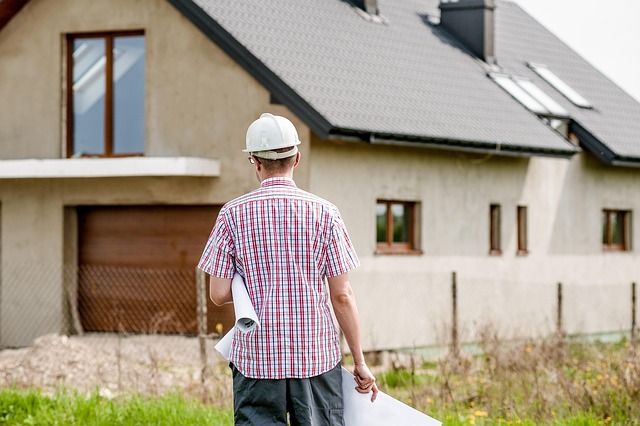
Understanding the Core Philosophy of Sustainability in Design
Sustainability in design merges three dimensions: environmental protection, social inclusion, and economic viability. Each project must reduce energy use, support community well-being, and remain financially sound throughout its lifecycle. Lifecycle thinking emphasizes durability and adaptability; materials are chosen for longevity rather than short-term gain. This approach aligns with international climate goals such as those outlined by the Paris Agreement and supports resilient cities capable of adapting to environmental stressors.
The Evolution of Sustainable Architectural Practices
Over recent decades, architectural practice has shifted from focusing solely on energy efficiency to embracing holistic sustainability frameworks. Early green buildings aimed to cut emissions; now they also target health, equity, and circular resource use. Technological advancements—from building information modeling (BIM) to digital twins—allow precise tracking of performance over time. Global standards like LEED, BREEAM, and WELL have expanded definitions of success beyond energy ratings to include wellness metrics and social impact indicators.
Lessons from Leading Sustainable Architects Around the World
Architects worldwide are reinterpreting sustainability through local materials, cultural narratives, and modern technology. These lessons demonstrate that context-sensitive design can achieve global environmental goals without losing identity.
Integrating Local Context into Global Sustainability Goals
Regional adaptation remains central to sustainable design. In tropical regions, passive cooling strategies reduce mechanical loads; in arid zones, architects employ thermal mass and shading courtyards inspired by vernacular forms. By referencing local traditions—like rammed earth walls or bamboo structures—designers create low-impact solutions rooted in place. Balancing innovation with cultural sensitivity defines many landmark projects by the best sustainable architects in the world.
Material Innovation and Circular Design Thinking
Circular design promotes regenerative material cycles where waste becomes input for new construction. Emerging biomaterials such as mycelium composites or algae-based panels offer renewable alternatives to concrete or plastic finishes. Recycled steel, modular timber systems, and prefabricated components simplify deconstruction at end-of-life stages. Transparency about sourcing builds accountability across supply chains while lifecycle assessments quantify real environmental costs.
Designing for Future Resilience and Adaptability
Resilient architecture anticipates uncertainty—climate volatility, population shifts, or resource scarcity—and designs flexibility into every stage of a building’s life.
Climate-Adaptive Architecture Strategies
Passive techniques remain powerful tools against extreme weather: cross-ventilation reduces cooling demand; green roofs manage stormwater; high-performance envelopes stabilize indoor comfort. Adaptive façades equipped with responsive shading systems adjust automatically based on sunlight intensity or temperature variation. Integration of renewable energy technologies like photovoltaics or geothermal loops further strengthens autonomy from fossil fuels. Predictive modeling tools help simulate long-term resilience scenarios before construction begins.
Flexibility as a Core Principle of Future-Ready Design
Buildings must evolve with changing demographics and usage patterns. Flexible floor plates allow conversion between residential, commercial, or communal functions without major structural changes. Modular construction responds quickly to housing shortages while minimizing site disruption. Digital twin technologies create virtual replicas that track performance data continuously, enabling maintenance decisions based on real-time insights rather than reactive repairs.
Human-Centered Approaches in Sustainable Design
Sustainability extends beyond materials—it encompasses human experience within spaces that nurture physical health and emotional connection to nature.
The Intersection of Well-being and Environmental Performance
Biophilic principles guide designs that reconnect occupants with natural elements through greenery, daylight access, water features, or organic textures. Proper daylighting reduces artificial lighting needs while improving mood and productivity. High indoor air quality achieved through low-emission finishes supports cognitive function; acoustic control prevents stress accumulation in dense environments. Post-occupancy evaluations provide feedback loops so future designs can refine comfort metrics based on user data.
Social Equity Through Sustainable Architecture
Inclusive design ensures accessibility for people across age groups and abilities without segregation or compromise on aesthetics. Community engagement during planning fosters shared ownership—public gardens or co-housing models often emerge from participatory processes that strengthen local ties. Yet affordability remains a challenge: high-performance materials sometimes raise costs beyond reach for lower-income populations. Innovative financing models like cooperative ownership or government-backed subsidies aim to close this gap.
The Role of Technology in Advancing Sustainable Architecture
Digital transformation is reshaping how sustainability is measured, simulated, and maintained across building lifecycles.
Digital Tools Transforming Sustainable Design Processes
Parametric modeling enables designers to test thousands of form variations quickly for optimal daylight distribution or ventilation flow paths. Artificial intelligence assists predictive analysis by correlating historical climate data with energy performance outcomes. BIM integration consolidates all building information into one platform—from embodied carbon tracking to maintenance scheduling—creating transparency throughout development stages.
Smart Building Systems and Data-Informed Sustainability Metrics
Sensors embedded within smart buildings monitor occupancy levels, temperature gradients, humidity ratios, or CO₂ concentrations in real time to fine-tune operations automatically. Internet of Things (IoT) networks connect these systems for adaptive responses—lighting dims when natural light increases; HVAC adjusts based on presence detection rather than fixed schedules. Data transparency empowers owners to measure true sustainability outcomes instead of relying solely on projected models.
Global Collaboration and Policy Influence in Shaping the Future of Sustainable Architecture
Sustainability thrives when knowledge flows freely across borders supported by aligned policy frameworks encouraging experimentation at scale.
Cross-Border Knowledge Exchange Among Leading Architects
Collaborative networks unite professionals from different continents through research residencies or global competitions that challenge conventional methods. These exchanges spark hybrid solutions blending Scandinavian passive house logic with tropical ventilation concepts or African earthen construction wisdom with European digital fabrication techniques. Mentorship programs led by senior practitioners nurture younger designers committed to advancing sustainable ideals globally.
Policy Frameworks Encouraging Sustainable Innovation
Governmental incentives such as tax credits for net-zero developments or grants for renewable integration drive widespread adoption faster than voluntary initiatives alone. Regulatory alignment among nations helps harmonize building codes around shared metrics like embodied carbon limits set by ISO standards or energy benchmarks defined by IEA guidelines. Public-private partnerships combine capital resources with technical expertise enabling large-scale green infrastructure deployment across urban centers worldwide.
FAQ
Q1: What defines truly sustainable architecture?
A: It’s defined by balancing environmental efficiency with human well-being and economic practicality over a building’s entire life cycle.
Q2: Who are considered the best sustainable architects in the world?
A: Figures like Norman Foster, Jeanne Gang, Bjarke Ingels, Shigeru Ban, and Glenn Murcutt are often cited for integrating innovation with ecological responsibility.
Q3: How does circular design contribute to sustainability?
A: It keeps materials circulating within closed loops through reuse or recycling instead of disposal after one use.
Q4: Why is flexibility vital for future-ready buildings?
A: Because adaptable structures can adjust functions as social needs shift without requiring demolition or excessive new resources.
Q5: What role do digital twins play in sustainable architecture?
A: They provide continuous performance monitoring so buildings operate efficiently throughout their lifespan using live operational data rather than static predictions.