
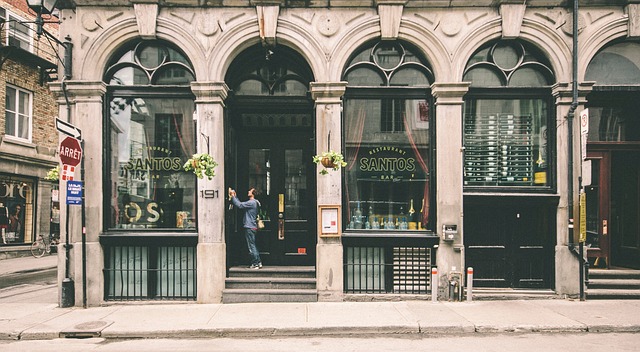
Is Your Storefront Facade Reflecting True Brand Identity or Limiting It
Very Happy With How the New Storefront Facade Is Coming Along
A well-designed storefront facade is more than a visual statement; it’s a strategic asset that defines how a brand is perceived before any product or service is experienced. The physical front of a building communicates brand values through materials, proportions, and craftsmanship. For brands using a concrete facade, this surface becomes both a canvas and a storyteller—projecting durability, authenticity, and innovation in one frame. When design intent aligns with brand strategy, the result is an architectural identity that feels inevitable rather than imposed.
The Strategic Role of Storefront Facades in Brand Identity
Architecture plays an active role in shaping how consumers interpret brands. The facade operates as the first handshake—a silent yet persuasive introduction to what lies within.
Understanding the Connection Between Architecture and Branding
The facade acts as the physical embodiment of a brand’s values and personality. Every material choice, from smooth glass to textured concrete, contributes to how customers sense the ethos behind the enterprise. Design language and structural form together communicate whether a brand stands for luxury, technology, or community engagement. Before any conversation or purchase happens, architectural cues already influence perception and expectation.
The Psychological Impact of Storefront Design on Consumer Behavior
Storefronts speak to human emotion through proportion, rhythm, and light. A balanced composition can evoke calm confidence; asymmetry may suggest creativity or disruption. When facade design aligns with a brand’s message—say, minimalist geometry for a tech company—it strengthens recognition and trust. But when there’s inconsistency between architecture and marketing tone, cognitive dissonance arises, leaving customers uncertain about authenticity.
Evaluating the Concrete Facade as a Branding Medium
Concrete has re-emerged as an expressive medium for contemporary retail spaces. Its adaptability allows architects to sculpt identities that resonate with diverse audiences.
Aesthetic Versatility and Symbolism of Concrete
A concrete facade offers remarkable versatility in form and finish. It can appear raw and industrial or refined and polished depending on treatment. For brands emphasizing honesty or craftsmanship, exposed concrete surfaces reinforce those values through visible texture and material truth. Pigmentation techniques or embedded patterns expand its narrative range—allowing each surface to carry symbolic meaning tied to brand philosophy.
Durability and Sustainability Considerations in Concrete Design
Beyond aesthetics, concrete stands out for endurance. Its long life cycle supports sustainable branding by reducing frequent refurbishments. Integrating recycled aggregates or low-carbon cement aligns with global sustainability goals outlined by ISO 14001 environmental management standards. Concrete’s thermal mass also helps moderate indoor temperatures, reducing energy demand—an advantage for brands promoting eco-conscious operations.
Aligning Material Choice with Brand Strategy
Material selection translates corporate identity into built form. Each texture or joint detail becomes part of the storytelling vocabulary that distinguishes one storefront from another.
Translating Brand Values into Architectural Expression
A luxury label might express refinement through finely polished concrete panels with subtle metallic inclusions catching daylight at specific angles. Technology-driven enterprises often prefer sleek modular systems that suggest precision engineering. Local artisanship-focused retailers could use hand-finished concrete blocks that reveal craft marks—linking physical touch to cultural authenticity.
Balancing Aesthetic Intent with Functional Requirements
While visual coherence matters, functional performance remains essential. Facade systems must integrate daylight control, ventilation pathways, and signage without diluting visual unity. Structural integrity should complement design ambition rather than constrain it. Maintenance planning—cleaning methods, sealant longevity—must support consistent appearance over time so the brand face never fades prematurely.
Integrating Modern Design Technologies for Enhanced Brand Storytelling
Digital tools now allow facades to move beyond static representation toward adaptive communication platforms where architecture interacts dynamically with context.
Digital Fabrication and Parametric Design Applications
Advanced modeling software enables custom molds for complex concrete geometries previously impossible by handcraft alone. Parametric design translates brand-specific algorithms into tangible shapes—a pattern derived from logo proportions or customer data flows can become part of the wall texture itself. Large-scale 3D printing further expands experimentation possibilities while maintaining production precision demanded by ISO 9001 quality standards.
Smart Facade Systems as Interactive Brand Interfaces
Storefronts increasingly act as responsive media surfaces rather than fixed shells. Dynamic lighting arrays embedded within concrete panels can shift hues based on time of day or promotional themes. Sensor-based systems detect pedestrian flow and adjust illumination intensity accordingly—creating subtle engagement loops between building and passerby. Such responsiveness reinforces innovation-driven identities while keeping core architecture intact.
Assessing Whether Your Storefront Reflects or Restrains Your Brand Identity?
Architectural alignment isn’t permanent; as markets evolve, so must spatial expressions of identity.
Identifying Architectural Inconsistencies with Brand Messaging
Brands should periodically audit their facades against current positioning statements and audience expectations. Materials once seen as cutting-edge may now signal environmental indifference if they lack sustainable sourcing credentials under modern ESG frameworks such as those referenced by BloombergNEF reports on green construction trends. Outdated signage integration can also undermine otherwise strong architectural gestures.
Strategies for Reimagining the Storefront Without Losing Authenticity
Reinvention doesn’t always mean demolition. Incremental updates—new lighting schemes, selective recladding using high-performance concrete mixes—can refresh perception while preserving recognizable elements like entry proportions or logo placement zones. Collaboration among architects, brand strategists, and materials scientists ensures continuity across every sensory layer from facade to interior layout.
Future Directions in Facade Design for Brand Differentiation
The next generation of facades will merge sustainability imperatives with digital interactivity to craft environments that communicate values continuously rather than statically.
Emerging Trends in Sustainable Material Innovation
Research within IEA’s technology collaboration programs highlights progress toward carbon-neutral concretes incorporating industrial by-products such as fly ash or slag cement substitutes. These innovations not only extend durability but also demonstrate tangible commitment to climate responsibility—a competitive advantage in markets where environmental transparency influences consumer loyalty.
The Evolving Relationship Between Physical Space and Digital Identity
Retail boundaries are dissolving between online presence and physical experience zones. Storefronts now function as hybrid canvases linking architecture with augmented reality campaigns or live data feeds projected across surfaces. This convergence transforms facades into experiential gateways where material solidity meets digital fluidity—keeping brands relevant in both street-level encounters and virtual narratives.
FAQ
Q1: Why is a concrete facade effective for modern retail branding?
A: It combines structural strength with aesthetic flexibility, allowing brands to express permanence while adapting finishes to match different identities from luxury minimalism to industrial authenticity.
Q2: How does facade design influence customer trust?
A: Consistent visual language between marketing materials and architectural style builds subconscious trust; people perceive coherence as reliability according to behavioral studies published by IEEE Access on environmental psychology in retail spaces.
Q3: What sustainable options exist for concrete facades?
A: Designers can specify low-carbon cement blends or incorporate recycled aggregates certified under ISO 14021 guidelines for environmental labeling claims verification.
Q4: Can digital technology personalize storefront experiences?
A: Yes, smart sensors integrated into lighting systems can tailor brightness or color temperature based on user interaction patterns without altering structural components.
Q5: How often should brands reassess their storefront architecture?
A: Industry practice suggests evaluation every five years or following major rebranding cycles to maintain alignment between evolving corporate messaging and built expression standards set by leading architectural councils worldwide.