
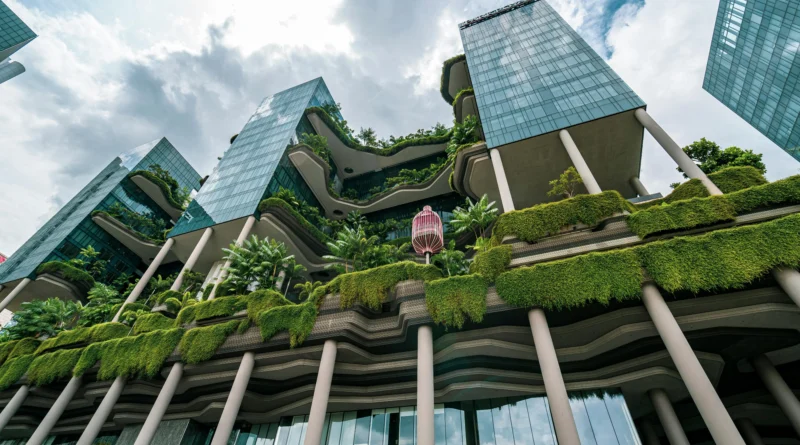
What Are The Benefits of Green Building Architecture
Green building architecture marks a change from usual building methods to designs that care about the environment. It puts energy saving, resource saving, and people’s comfort first. For experts in this area, the gains are real. You can measure them in things like lower costs over time, smaller carbon impact, and better air inside. This report looks at the main upsides of green building architecture. It uses facts and proof to explain them in a clear way. Sometimes, I think about how these ideas play out in real places, like busy cities where space is tight. That makes the benefits feel even more practical.
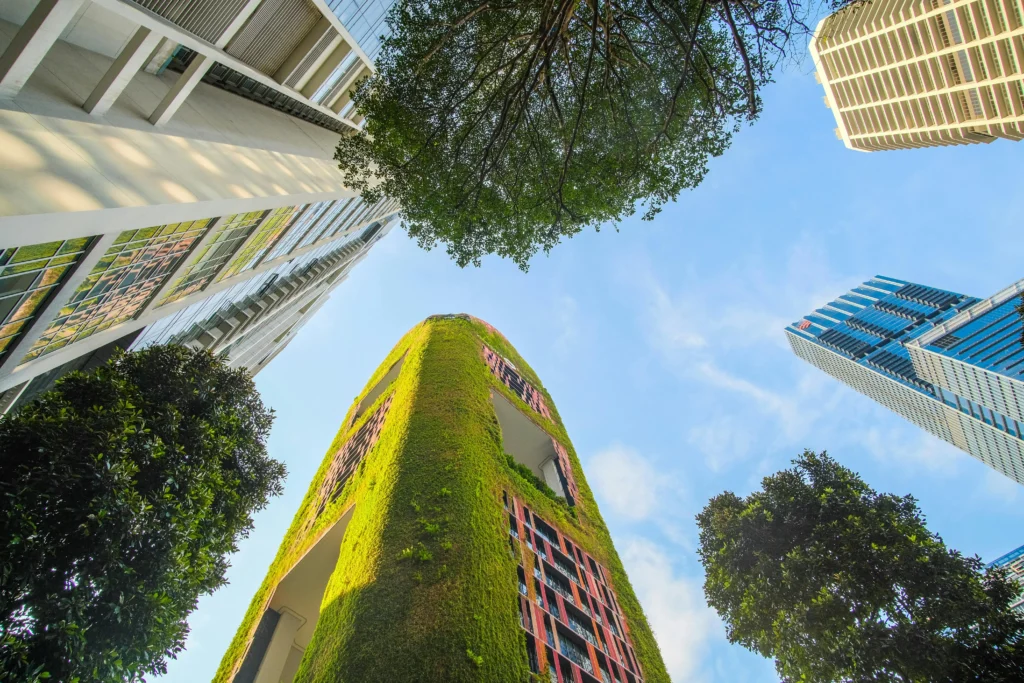
How Does Green Building Architecture Improve Energy Efficiency?
Energy saving stands as a key part of green building architecture. Architects use simple design tricks, clean energy tools, and strong outer walls to cut down on energy use during daily operations. This helps buildings run smoother with less power.
Passive Design Strategies for Climate Responsiveness
Passive design makes use of nature’s gifts like sunlight, breezes, and heavy walls that hold heat. It helps control the inside air without machines. Builders point the building the right way and place windows smartly. This lets in plenty of daylight but keeps out too much heat. Methods like air flow through rooms and heat zones cut the need for big air conditioning units. In places with hot or cold weather, good insulation keeps things cozy with little energy. For example, in a school in Texas, such designs dropped cooling needs by 30 percent during summer peaks. It’s a simple fix that pays off quick.
Integration of Renewable Energy Systems
Solar photovoltaic (PV) panels and solar thermal collectors now show up often in top buildings. The exact numbers change by location, but adding roof solar can cover 40–60% of a building’s yearly power needs in sunny spots. Some big business projects mix solar with battery storage. This setup lets them run on almost no outside power. It follows patterns in factory power setups, as seen in this guide: https://techbullion.com/top-10-solar-inverter-and-energy-storage-suppliers-for-home-and-commercial-use-a-2026-industry-guide/. In one office block in California, this combo saved owners thousands in bills last year. Not bad for something that sounds high-tech.
Advanced Building Envelope Technologies
New outer walls use two or three layers of glass with special coatings that block heat. These cut down on warmth moving in or out. Walls that change with smart shades adjust to the sun’s strength all day. Such tools lower power costs. They also make machines last longer by easing heavy loads. Think of a hospital where steady temps matter; these features keep patients comfy without extra strain on the system.
Why Is Water Conservation Critical in Green Building Design?
Water shortages grow worse around the world. So, smart water use becomes a must in lasting building plans. Green buildings treat water like a limited good, not something that never ends. They mix different ways to save and reuse it.
Rainwater Harvesting and Reuse Systems
Gathering rain from roofs gives extra water for things like watering plants or flushing toilets. It’s not for drinking, but it helps a lot. With filters, this water can take the place of up to 50% of city water for some kinds of buildings. In a dry area like Arizona, one community center used this to fill its needs during rainy seasons. It cut their water bill in half, which is a win for tight budgets.
Greywater Recycling Solutions
Water from sinks or baths, called greywater, gets cleaned right there with natural or filter methods. Then, it can be used again. This drops the need for fresh water. It also lessens waste sent to city pipes. Both help city life stay green. For instance, in apartment blocks in Europe, these systems handle 40% of daily water reuse without any hassle.
Low-Flow Fixtures and Smart Controls
Putting in taps that use less water, toilets with two flush options, and sensors on faucets cuts water use per person. Comfort and cleanliness stay the same. Smart meters let managers spot leaks fast. They also check use patterns to make things better over time. In a hotel chain, this setup saved 25% on water costs yearly. It’s straightforward and effective.
How Does Green Building Architecture Affect Human Health and Comfort?
Green buildings do more than help the planet. They boost how people feel, both in body and mind. The real win shows in daily life inside the space.
Improved Indoor Air Quality
Paints with low VOCs, materials without formaldehyde, and good air flow stop bad stuff from building up inside. Now, tools watch air all the time. They check CO₂ and wetness levels to keep things just right for those inside. In offices with this, workers report fewer sick days. Fresh air makes a big difference, especially after long winters cooped up.
Thermal Comfort Through Adaptive Systems
Systems that adjust let people control heat with windows they can open or small heaters in spots. This gives choice. It matches how bodies really work, not fixed numbers. People feel happier with it. And it saves energy too. A study in a UK school found kids focused better when they could tweak their space a bit.
Enhanced Daylighting and Biophilic Design
Letting in real sunlight helps body clocks stay on track. It cuts the use of fake lights in the day. Adding plants, natural looks, and green views lowers stress. Office folks do better on tasks with these touches. One firm in New York added indoor gardens and saw team morale jump. It’s like bringing the outside in, which feels natural.
What Economic Advantages Do Green Buildings Offer?
Upfront costs might look steep at first. But over years, the money saved makes it worth it. Green features bring solid financial perks.
Lifecycle Cost Savings
Systems that save energy trim bills for power and more. Reports say these cuts pay back extra costs in five to ten years. It depends on local prices and help from programs. In places with high energy rates, payback comes even faster. Owners of a retail store in Florida saw returns in just four years—faster than expected.
Increased Property Value
Buildings with green labels sell for more. They have lower running costs and keep tenants longer. Buyers see them as safe bets with rules getting stricter on green rules. Real estate pros note a 7-10% bump in value for certified spots. It’s a smart move for long-term holds.
Access to Incentives and Financing Programs
Many countries give tax breaks or quick approvals for green projects that get certified. Banks offer better loans too. They know these buildings hold up against new rules. In Canada, one developer grabbed grants that covered 20% of solar installs. That eased the start-up pinch nicely.
How Does Green Building Architecture Support Environmental Protection?
Green buildings help the earth in ways beyond power or water. They protect nature, cut trash, and aim for no carbon use. It’s a full-circle approach.
Reduction of Carbon Emissions
Using clean power and smart ways to move materials lowers carbon from building and running. This covers the whole life of the structure. In a factory retrofit in Germany, emissions dropped 45% after green upgrades. That’s real progress toward cleaner air.
Sustainable Material Selection
Builders pick stuff from nearby with reused parts or low energy to make. Things like bamboo floors or concrete with fly-ash fit the bill. This cuts harm from digging up resources. A project in Asia used local wood and saved on transport emissions by half. Practical choices like that add up.
Waste Minimization During Construction
Making parts off-site in modules cuts waste on the job by up to 80%. Sorting trash during build or tear-down recycles metals, plastics, and concrete. One builder in Australia hit 90% recycle rates this way. It keeps landfills smaller and costs down.
How Do Certification Systems Influence Green Building Performance?
Systems for certification set clear goals. They check if green claims hold up from plan to use. This guides better results across areas.
LEED Certification Framework
The Leadership in Energy and Environmental Design (LEED) looks at power use, materials, water saving, land care, and inside air. Getting LEED Platinum means top marks worldwide. Thousands of buildings use it to prove their green side.
BREEAM Assessment Methodology
From the UK, BREEAM checks the full life, including how work happens during build. It covers steps others miss, like daily management. In Europe, it’s a go-to for thorough reviews.
WELL Building Standard for Health-Centric Design
WELL targets health straight on. It checks air, light, sound, and even food options inside. Unlike others focused on earth, this puts people first. A wellness center in the US earned WELL gold and saw user feedback soar.
What Role Does Technology Play in Advancing Green Building Architecture?
New tech speeds up green work. It lets teams predict and adjust in real time with great detail. This pushes buildings toward better green standards.
Building Information Modeling (BIM) Integration
BIM tools let teams test how materials act in different weather before starting. It cuts redo costs and boosts teamwork. In a high-rise project, BIM spotted issues early, saving weeks. Handy for complex jobs.
Smart Sensors for Operational Efficiency
Sensors linked to the internet watch who’s around. They tweak lights or air flow based on real needs, not set times. This slashes wasted power. An office in Singapore cut energy use by 15% with them. Simple tech, big save.
Data Analytics for Continuous Improvement
After move-in, data checks how real use matches plans. These facts help tweak future builds. It builds toward zero-energy goals under global pacts like the Paris Agreement. One team used analytics to refine a series of homes, each greener than the last. It’s like learning on the go.
FAQ
Q1: What defines a building as “green”?
A: A green building cuts resource use over its whole life. It does this with smart plans for power, water, materials, inside air, and land ties.
Q2: Are green buildings more expensive to construct?
A: Upfront prices might run a bit higher from new tools or cert fees. But savings in running costs beat that in a few years of use.
Q3: How do green buildings contribute to climate action goals?
A: They lower carbon output with clean power and less fossil fuels. This backs country plans for less carbon, matching big deals like COP talks.
Q4: Can existing structures be retrofitted into green buildings?
A: Yes. Updating old spots with better insulation or solar is a cheap way to go green without tearing down. It works well for many sites.
Q5: Which certification should developers pursue first?
A: LEED works well around the world. But picks like BREEAM in Europe or WELL for health might fit better based on goals or local rules. Start with what matches your spot.