
What Makes a Tudor Architecture House Distinct in Modern Design
What Is A Tudor-Style House?
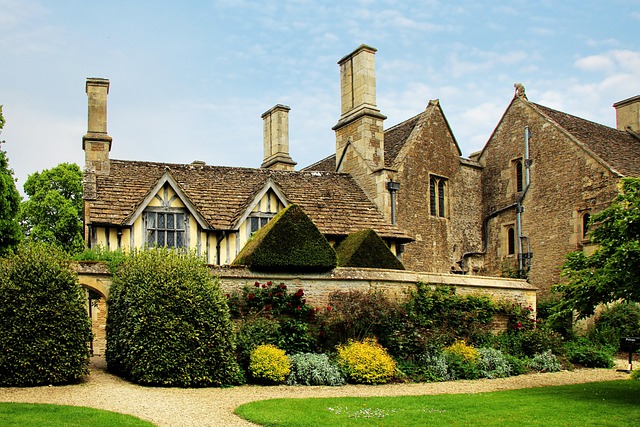
A Tudor-style house represents one of the most recognizable architectural forms in English history. Emerging during the late 15th century, it merged medieval Gothic craftsmanship with early Renaissance refinement. Its visual identity—half-timbering, steep gables, and tall chimneys—remains a lasting emblem of English domestic architecture. In modern construction, these features are reinterpreted through advanced materials and sustainable engineering while preserving the charm that defines traditional Tudor homes. The style’s endurance lies in its balance between historical depth and functional adaptation for today’s living standards.
Historical Foundations of Tudor Architecture
The Tudor architectural tradition reflects a pivotal transformation in English building culture. It bridges feudal craftsmanship and emerging Renaissance ideals, producing homes that were both practical and expressive of social status.
Origins and Evolution of the Tudor Style
The Tudor architectural style emerged in England during the late 15th and early 16th centuries as a natural evolution from medieval Gothic forms. Builders began to incorporate Renaissance symmetry and proportion while retaining vernacular materials like timber and brick. Characterized by half-timbered façades, steeply pitched roofs, and elaborate chimneys, these homes conveyed both function and artistry. The transition also reflected broader cultural shifts—from fortress-like medieval dwellings to more comfortable domestic spaces designed for family life.
Key Structural Principles from the Tudor Era
Early Tudor houses were defined by their load-bearing timber frames that formed a strong structural skeleton. As construction techniques advanced, brick infill panels replaced wattle and daub, increasing durability and fire resistance. Unlike the rigid symmetry of later Georgian designs, Tudor façades were asymmetrical, shaped by practical interior layouts rather than decorative uniformity. This gave each house an organic character that mirrored its owner’s needs.
Architectural Elements That Define a Tudor House
Tudor architecture is instantly recognizable through its distinct exterior detailing and intimate interior arrangements. Each element serves both aesthetic and environmental purposes.
External Design Characteristics
Half-timbering patterns create rhythm across façades, emphasizing craftsmanship through exposed structural elements. Steep gable roofs efficiently shed rainwater and snow—an essential feature for England’s climate—and often included decorative vergeboards. Prominent chimneys became both functional heating components and status symbols; their tall stacks with intricate brickwork announced wealth as much as they vented smoke.
Interior Design and Spatial Organization
Inside a tudor architecture house, exposed wooden beams highlight structural honesty while lending warmth to interior spaces. Large fireplaces served as focal points within great halls or main living areas, providing heat for entire households before central heating existed. Narrow windows fitted with leaded glass allowed light penetration without compromising insulation—a subtle balance between comfort and energy retention long before such terms were formalized.
Integration of Tudor Features in Modern Architecture
Modern architects reinterpret Tudor principles to blend tradition with technology. The challenge lies in maintaining historical authenticity while meeting current performance expectations.
Reinterpreting Traditional Materials for Contemporary Use
Engineered wood products now replicate the look of traditional timber framing but offer greater stability against moisture or pests. Brick veneers mimic historic textures while providing improved insulation values suitable for energy-efficient construction. Similarly, synthetic slate roofing substitutes heavy stone tiles with lightweight composites that preserve appearance yet simplify installation.
Balancing Historical Aesthetics with Modern Functionality
Open-plan interiors reinterpret medieval great halls into flexible living zones suited to contemporary lifestyles. Smart home systems are integrated discreetly within walls or beams to maintain visual integrity without visible wiring or devices. Energy-efficient glazing imitates leaded window designs while delivering modern thermal performance—proof that heritage aesthetics can coexist with sustainability goals.
Structural Adaptations for Modern Construction Standards
Building codes today demand far more rigorous safety, durability, and environmental compliance than those of the 16th century. Neo-Tudor design must adapt structurally without losing authenticity.
Engineering Considerations in Contemporary Tudor-Inspired Homes
Reinforced framing systems allow larger spans for open interiors while retaining visible beam aesthetics. Hybrid steel-and-timber frameworks distribute loads efficiently across multi-story layouts common in suburban developments. Chimney design now incorporates advanced ventilation systems compliant with fire safety regulations—preserving form but improving function dramatically compared to historical counterparts.
Sustainability in Neo-Tudor Architecture
Eco-friendly materials such as reclaimed wood or low-carbon bricks reduce environmental impact while maintaining period character. Passive solar design principles leverage steep roof angles for optimal thermal regulation throughout seasons. Water management systems integrate traditional drainage forms like stone channels but connect seamlessly to modern collection tanks or filtration units—blending heritage craft with ecological responsibility.
Cultural and Design Significance in Modern Contexts
Beyond technical adaptation, the appeal of Tudor architecture lies deeply rooted in cultural identity and emotional resonance within modern neighborhoods.
The Enduring Appeal of Tudor Architecture in Urban and Suburban Settings
Tudor-inspired homes evoke heritage value amid contemporary developments dominated by minimalism or glass facades. Their textured façades provide contrast through warmth, depth, and handcrafted detail rarely found in mass housing projects. Developers often employ this style to convey permanence, craftsmanship, and prestige—qualities associated with stability across generations.
The Role of Tudor Revival in Architectural Identity Today
Revival movements throughout the 20th century reintroduced Tudor motifs using modern materials such as concrete or prefabricated panels while maintaining symbolic continuity with England’s domestic past. Architects continue drawing from this lineage to express continuity between history and innovation—a bridge linking traditional English domestic architecture with global modernism seen from London suburbs to North American estates.
FAQ
Q1: What defines a tudor architecture house?
A: It is defined by half-timbered exteriors, steep gable roofs, tall chimneys, leaded glass windows, and exposed wooden beams reflecting late medieval craftsmanship blended with early Renaissance influence.
Q2: Why are chimneys so prominent in Tudor houses?
A: Chimneys symbolized technological progress during the period when fireplaces replaced open hearths; their size reflected both function—heating multiple rooms—and social status through decorative brickwork.
Q3: How do modern builders replicate historical half-timbering?
A: They use engineered wood or composite trims applied over insulated walls to achieve visual authenticity without compromising energy efficiency or structural performance.
Q4: Are Neo-Tudor homes environmentally sustainable?
A: Yes, many incorporate passive solar orientation, recycled materials, efficient glazing systems, and rainwater harvesting integrated subtly within traditional design frameworks.
Q5: What makes the style still popular today?
A: Its enduring popularity stems from emotional nostalgia combined with adaptability; it conveys warmth, character, and permanence that resonate even within high-tech urban landscapes where design often feels transient.