
What Makes Farmhouse Style Homes So Popular Among Modern Architects
What Makes Farmhouse Style Homes So Popular
Farmhouse style homes have gained enduring popularity because they combine nostalgic charm with modern livability. Their architectural appeal lies in the balance of honest materials, open layouts, and a sense of calm that fits both rural and urban lifestyles. This design language has evolved beyond its agricultural roots to embody a refined simplicity that resonates with contemporary values—authenticity, sustainability, and comfort. Modern farmhouse architecture now merges traditional craftsmanship with advanced building technologies, making it both timeless and technically sophisticated.
The Architectural Appeal of Farmhouse Style Homes
The allure of farmhouse style homes rests on their ability to blend warmth and practicality with architectural clarity. They are not just aesthetic statements but reflections of lifestyle choices that value space, light, and material integrity.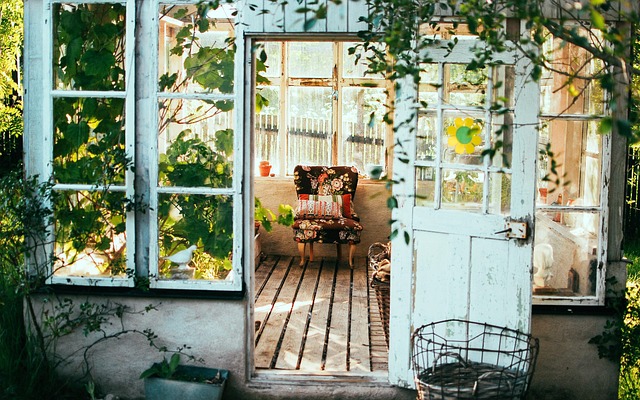
Core Design Principles That Define the Farmhouse Aesthetic
At its core, the farmhouse aesthetic emphasizes simplicity and function. Natural materials such as wood, stone, and metal dominate both structure and finish, creating visual coherence throughout the home. Clean lines contrast with rustic textures—think shiplap walls beside matte steel fixtures—to create depth without clutter. Open floor plans encourage fluid movement between rooms, reinforcing a sense of connection among spaces while maximizing natural light.
Evolution from Traditional to Contemporary Farmhouse Architecture
Traditional farmhouses were built for utility: wide porches for cooling shade, pitched roofs for rain runoff, and large kitchens as social hubs. Over time, these features evolved through modern reinterpretations that borrow from industrial minimalism. Today’s versions often feature exposed beams paired with sleek cabinetry or concrete floors softened by natural textiles. In cities and suburbs alike, architects reinterpret rural charm through proportionate massing and restrained palettes that maintain authenticity while meeting contemporary demands.
Structural and Material Considerations in Modern Farmhouse Design
Modern farmhouse style homes are engineered to balance beauty with structural performance. The technical side—materials selection, framing systems, insulation—plays a decisive role in achieving both comfort and longevity.
The Role of Sustainable and Locally Sourced Materials
Reclaimed wood remains a hallmark material for its texture and environmental benefit. Many builders now source timber locally to reduce transport emissions while supporting regional economies. Stone foundations or accents add permanence, while recycled metals lend durability without visual heaviness. Energy-efficient materials such as insulated panels or low-emissivity glass enhance thermal performance. Passive design strategies—like orienting windows for solar gain or cross-ventilation—further reduce energy demand while keeping interiors comfortable year-round.
Balancing Aesthetics with Engineering Efficiency
Expansive open spaces require careful structural planning. Steel or engineered timber frames often replace traditional load-bearing walls to allow larger spans without compromising stability. Advanced insulation systems like spray foam or rigid boards improve envelope performance yet remain hidden behind natural finishes. Precision construction technologies such as CNC-cut joinery ensure tight tolerances that preserve visual harmony even in complex intersections of old-world textures and modern geometry.
Spatial Planning and Functional Layouts in Farmhouse Architecture
Spatial organization defines how farmhouse style homes feel from within—the flow between rooms, the interaction of public and private zones, and the relationship between indoor comfort and outdoor openness.
Open Concept Living Spaces and Their Technical Implications
The open-concept layout is central to modern farmhouse planning but introduces engineering challenges. Removing interior walls demands redistributed loads via beams or trusses carefully integrated into ceiling designs. Acoustic control becomes essential; soft finishes like rugs or upholstered furniture help absorb sound across large volumes. Multi-functional zones—such as kitchen islands doubling as workspaces—reflect flexible living patterns suited to contemporary households.
Indoor–Outdoor Connectivity as a Design Imperative
Farmhouse architecture thrives on blurring boundaries between inside and outside environments. Large sliding doors or folding glass walls create seamless transitions onto patios or gardens while maintaining structural integrity through reinforced thresholds. Glazing systems maximize daylight penetration yet employ coatings that limit heat gain. Landscaping complements architecture when native plants frame pathways or courtyards extend living areas outward—a quiet nod to the agrarian origins of the style.
Technological Integration in Modern Farmhouse Homes
Technology now plays an integral role in enhancing comfort without undermining rustic aesthetics. Smart systems are embedded discreetly within traditional frameworks to deliver efficiency unseen in earlier generations.
Smart Home Systems within a Rustic Framework
Automation has become standard even in farmhouse settings. Lighting scenes adjust automatically according to daylight levels; HVAC systems respond dynamically to occupancy patterns; security cameras integrate invisibly into timber facades. Wiring is concealed within wall cavities so that tactile surfaces like reclaimed planks remain undisturbed visually. Some projects use adaptive materials capable of responding to humidity or temperature changes—a subtle fusion of craft tradition with digital intelligence.
Energy Efficiency and Renewable Integration Strategies
Solar panels installed on standing-seam metal roofs align well with farmhouse geometry while contributing renewable energy generation. Paired with home battery storage systems—similar in principle to those analyzed in technical performance reviews—they allow energy independence during peak hours or outages. Zoned HVAC configurations fine-tune climate control across different wings of the house for reduced consumption. Data-driven monitoring platforms track usage trends over time, enabling owners to maintain sustainable operation without constant manual oversight.
The Psychological and Cultural Dimensions Behind Popularity
Beyond structure or technology lies an emotional layer explaining why farmhouse style homes resonate so deeply—they evoke memory, belonging, and authenticity amid modern complexity.
Emotional Resonance of the Farmhouse Aesthetic Among Designers and Clients
Designers often describe this aesthetic as emotionally grounding because it recalls rural heritage even when reinterpreted through modern lines. Clients associate it with warmth—the tactile feel of wood underfoot or sunlight filtering through linen curtains—and authenticity derived from visible craftsmanship rather than ornamentation. It also symbolizes reconciliation between progress and tradition: innovation expressed through familiar forms that comfort rather than alienate.
Architectural Identity in the Context of Modern Lifestyles
In cultural terms, farmhouse design aligns closely with current values emphasizing simplicity, mindfulness, and connection to nature. Honest use of materials fosters emotional attachment; one can see grain patterns rather than synthetic veneers, which subtly reinforces trust in what is built around them. This human-centered approach influences broader architectural movements seeking emotional resonance over spectacle—a quiet revolution led by restraint rather than excess.
Future Directions in Farmhouse Style Architecture
As sustainability standards tighten globally, farmhouse architecture continues evolving toward higher technical precision while retaining its soulful essence.
Innovations Shaping the Next Generation of Farmhouse Designs
Emerging techniques such as modular construction promise faster assembly times without sacrificing craftsmanship detail—a practical response to housing demand pressures. Biophilic design principles will likely deepen integration between built form and landscape through natural ventilation corridors or green roofs enhancing occupant well-being. Adaptive reuse projects converting barns into residences exemplify how heritage preservation can coexist with cutting-edge performance criteria like airtightness or net-zero energy targets.
Anticipated Shifts in Market Demand and Professional Practice
Market trends suggest growing demand for sustainability certifications such as LEED or Passive House applied within farmhouse typologies. Hybrid models may merge rural spatial generosity with urban density solutions like clustered developments sharing communal gardens. Digital fabrication tools—from 3D scanning historic beams to robotic milling custom joinery—are redefining craftsmanship itself by extending precision into what was once purely artisanal territory.
FAQ
Q1: Why are farmhouse style homes still relevant today?
A: They adapt traditional forms using modern materials and technologies while maintaining emotional warmth that appeals across generations.
Q2: What distinguishes modern farmhouses from traditional ones?
A: Modern versions simplify ornamentation but retain core elements like open layouts, gabled roofs, and tactile materials interpreted through contemporary detailing.
Q3: How do sustainable practices influence farmhouse construction?
A: Builders increasingly use reclaimed resources, passive solar orientation, efficient insulation systems, and renewable power integration for reduced environmental impact.
Q4: Can smart home technology fit naturally into rustic interiors?
A: Yes; concealed wiring, subtle sensors, and minimalist interfaces allow automation without disturbing visual authenticity.
Q5: What future innovations could shape this architectural trend?
A: Modular building methods, biophilic integration strategies, digital fabrication techniques, and stricter sustainability certifications will likely define upcoming iterations of farmhouse style homes.