
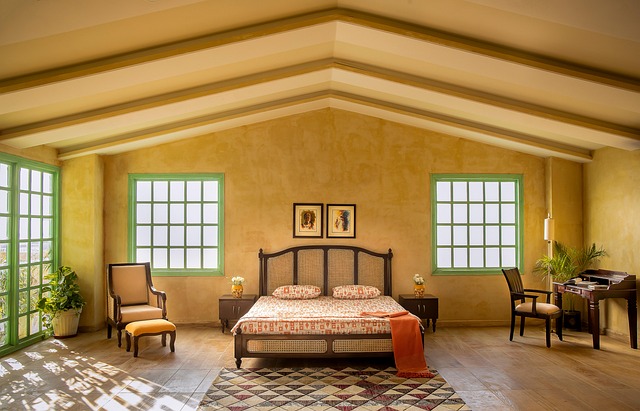
How Do Home Interior Stores Near Me Reflect the Craftsman Revival in L.A. Suburbs
How This L.A. Suburb Fell in Love With Craftsman Homes
The renewed affection for Craftsman homes across Los Angeles suburbs is more than a nostalgic trend—it’s a reflection of shifting cultural values. Homeowners are seeking authenticity, sustainability, and craftsmanship that mass-produced housing rarely offers. From Pasadena to Glendale, the revival of early 20th-century design has reshaped local architecture and interior retail. This movement blends historical respect with modern sensibility, proving that the Craftsman ideal still resonates deeply with today’s suburban identity.
The Craftsman Revival in Los Angeles Suburbs
The Historical Context of the Craftsman Movement
The American Craftsman style emerged from the late 19th-century Arts and Crafts movement, which rejected industrial excess in favor of honest materials and handcraftsmanship. In Los Angeles, this philosophy found fertile ground during the early 1900s when architects like Greene and Greene introduced bungalows that celebrated simplicity and natural beauty. These homes featured exposed beams, handcrafted woodwork, and built-in furniture designed for both aesthetic appeal and practical living. The result was an architectural language that embraced human scale and local materials—values that would later define Southern California’s domestic architecture.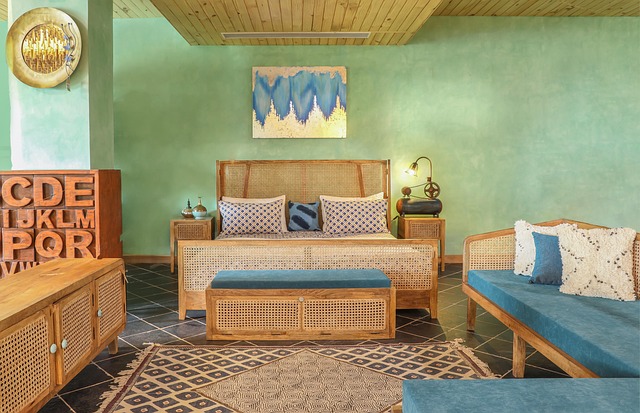
The Reemergence of Craftsman Ideals in Contemporary L.A. Suburbs
Over the past two decades, suburban homeowners have rediscovered what made the Craftsman home timeless. Rising environmental awareness and a desire for authenticity have pushed families toward designs emphasizing natural materials and artisanal quality. Economic shifts also play a role; as property values rise, preserving historic integrity becomes both a cultural duty and financial advantage. Local preservation societies and city ordinances now encourage restoration rather than demolition, ensuring these structures retain their original character while accommodating modern lifestyles.
The Role of Home Interior Stores in Shaping the Revival
Local interior retailers have become key players in sustaining this aesthetic renaissance. They not only supply materials but also interpret how traditional craftsmanship can coexist with contemporary needs.
How Local Retailers Interpret the Craftsman Aesthetic
Across Los Angeles suburbs, home interior stores near me often stock reclaimed wood, stone tiles, and metal fixtures reminiscent of early 20th-century design. Many prioritize artisanal production—offering locally made furniture pieces crafted from oak or walnut rather than synthetic composites. Their showrooms use natural color palettes—warm browns, muted greens, soft creams—to evoke comfort and timelessness. These stores function as cultural intermediaries between history and modern taste.
Collaboration Between Designers and Homeowners
Designers working alongside homeowners reinterpret historic motifs to fit today’s open-plan living preferences. They integrate vintage-inspired lighting with energy-efficient technology or pair handcrafted cabinetry with modern appliances. Customization remains central: each home becomes a personal statement within the broader Craftsman framework. This collaboration ensures that while every project honors tradition, no two interiors feel identical—a hallmark of true craftsmanship.
Design Elements Commonly Featured in L.A.’s Craftsman-Inspired Interiors
The revival isn’t limited to exterior façades; it extends deep into interior detailing where material honesty defines every corner.
Architectural Details That Define the Style
Woodwork and Built-ins
Wood remains at the heart of every authentic Craftsman interior. Trim, cabinetry, and furniture often feature oak or mahogany finishes that highlight grain patterns rather than conceal them. Built-in shelving or window seats serve dual purposes—functional storage and decorative artistry—reflecting the original ethos of merging beauty with utility.
Lighting Fixtures and Hardware Choices
Lighting follows similar principles: fixtures replicate early 20th-century forms yet employ LED technology for efficiency. Patina finishes on brass or bronze add depth to new installations, giving them a lived-in warmth that complements aged wood tones throughout the home.
Textiles, Colors, and Decorative Accents
Earth-Toned Color Palettes
Craftsman interiors favor hues drawn from nature—olive greens, clay reds, deep browns—that harmonize with surrounding landscapes. These tones soften transitions between indoor comfort and outdoor scenery typical of Southern California living.
Handcrafted Decorative Pieces
Rugs woven by local artisans, ceramic pottery from small studios, or stained glass panels inspired by period motifs reinforce authenticity while supporting regional craft economies. Each piece contributes to an atmosphere where every object feels intentional rather than ornamental.
The Economic and Cultural Impact on Local Businesses
The resurgence of interest in heritage design has created measurable effects across suburban economies.
Growth of Artisan-Focused Retail Ecosystems
Independent workshops have flourished as demand grows for bespoke furnishings aligned with historic aesthetics. Many home interior stores near me now collaborate directly with craftspeople producing limited-run tables or lighting fixtures tailored to specific restoration projects. This ecosystem encourages sustainable production over disposable décor trends.
Consumer Behavior Trends Among L.A. Suburban Homeowners
Today’s suburban buyers prioritize sustainability over convenience. They value locally sourced materials not only for environmental reasons but also as expressions of community identity. Purchasing decisions often align with neighborhood heritage efforts—proof that architecture can shape consumer culture as much as fashion ever did.
The Intersection of Heritage Preservation and Modern Living
The challenge lies in balancing reverence for history with contemporary expectations such as open layouts or smart-home systems.
Balancing Authentic Restoration with Contemporary Needs
Homeowners renovating century-old bungalows face complex choices: how to introduce modern plumbing or insulation without erasing original craftsmanship? Many opt for reversible modifications—hidden wiring channels or restored trim around new windows—to maintain structural authenticity while improving livability.
Future Directions for the Craftsman Revival Movement in L.A.’s Suburbs
Looking ahead, digital design tools like 3D scanning may revolutionize custom millwork production by replicating period details precisely while reducing waste. Eco-friendly materials such as bamboo composites could further integrate sustainability into traditional frameworks without compromising visual integrity—a fitting evolution for a style rooted in respect for nature’s resources.
FAQ
Q1: Why are Los Angeles suburbs particularly drawn to Craftsman homes?
A: The region’s climate suits open porches, natural ventilation, and earthy materials typical of Craftsman design, making it both practical and culturally resonant.
Q2: How do home interior stores near me contribute to this revival?
A: They provide authentic materials like reclaimed wood or handmade tiles while educating buyers about sustainable craftsmanship traditions.
Q3: Are modern interpretations still considered true to the original style?
A: Yes—when they maintain core principles such as visible structure, honest materials, and built-in functionality—even if layouts adapt to current lifestyles.
Q4: What challenges do preservationists face?
A: Rising renovation costs and zoning restrictions can complicate efforts to maintain architectural integrity across expanding suburban developments.
Q5: Will digital fabrication replace handcrafting in future restorations?
A: It may complement rather than replace it; precision tools help replicate details efficiently while artisans continue finishing work by hand to preserve tactile authenticity.