
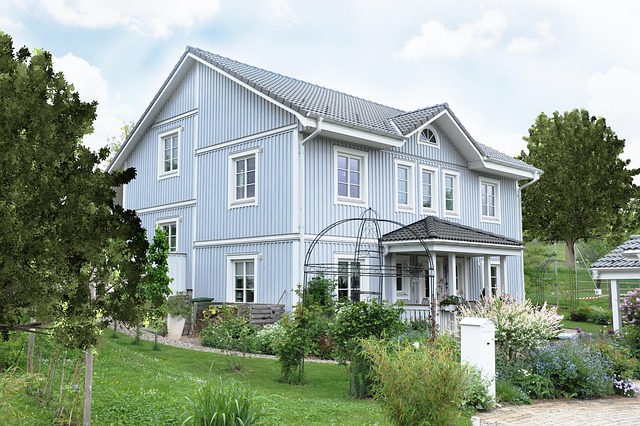
What Makes a Split Level House Plan Ideal for the Tri Level Design
The Tri-Level House Is a Type of the Classic Split-Level
The tri-level home, a refined variation of the split level house plan, remains one of the most efficient and adaptable residential designs in modern architecture. It emerged from mid-century innovations aimed at maximizing usable space on uneven terrain. Today, it continues to evolve through sustainable materials, smart technology, and flexible layouts that meet diverse family needs. This design offers clear zoning between living, sleeping, and utility areas while maintaining a sense of unity throughout the interior. Its adaptability to topography and efficient structural form make it both practical and visually distinctive.
Understanding the Split-Level House Plan
Split-level architecture introduced a new way to organize domestic space vertically rather than horizontally. Before exploring tri-level configurations, it is useful to trace how this concept shaped suburban development and continues influencing modern housing strategies.
The Architectural Concept Behind Split-Level Homes
Split-level homes are characterized by staggered floors connected by short flights of stairs. The design gained popularity in the mid-20th century when suburban expansion demanded efficient use of sloped lots. By dividing living zones across multiple levels—typically separating communal areas from private bedrooms—these homes achieved an appealing balance between openness and privacy. The arrangement also created natural acoustic separation without sacrificing connectivity.
Evolution of Split-Level Architecture in Modern Contexts
In recent decades, architects have adapted split-level principles for contemporary lifestyles. Open-plan layouts now merge with traditional level separations to create fluid transitions between spaces. Energy efficiency has become central: insulation systems, solar orientation, and eco-friendly materials are integrated into structural updates. As urban land becomes scarce, these compact yet layered homes offer a solution that accommodates changing family dynamics while maintaining spatial comfort.
Defining the Tri-Level Design Within the Split-Level Category
The tri-level model represents one of the most recognizable subtypes within split-level housing. It refines vertical organization into three functional tiers that respond to both site conditions and lifestyle patterns.
Spatial Organization of the Tri-Level Layout
A typical tri-level layout includes three staggered sections: an entry or main living area at mid-level, sleeping quarters above, and a lower zone for utilities or recreation. This hierarchy allows clear functional separation while keeping circulation compact through short stair runs. The visual continuity between levels enhances depth perception inside relatively modest footprints.
Functional Advantages of the Tri-Level Arrangement
Tri-level homes excel in spatial efficiency. Distinct zoning supports multiple uses—living, working, and leisure—without requiring large floor areas. Lower levels often serve as family rooms or guest suites, utilizing what might otherwise be basement space. Thermal performance improves as each level can be conditioned differently according to its use and exposure. Natural light flows more evenly due to staggered window positioning across elevations.
Architectural Benefits of a Split-Level House Plan for Tri-Level Design
Beyond aesthetics, the tri-level configuration offers measurable advantages in construction economics and environmental performance. Its tiered structure responds directly to site gradients while minimizing material waste.
Adaptability to Varied Topography
Tri-level houses perform exceptionally well on sloped or irregular lots where single-story forms would require heavy grading. By stepping with the terrain rather than against it, they reduce excavation costs and environmental disturbance. Externally, this produces dynamic facades that integrate seamlessly with landscaping contours—a feature often appreciated by planners seeking contextual harmony.
Efficient Use of Space and Structure
Vertical stacking reduces building footprint while maintaining generous internal volume. Shared walls between levels minimize heat transfer losses and cut down on framing materials. Structurally, each level acts as both support and enclosure for adjacent spaces, allowing later modifications such as extensions or reconfigurations without major reconstruction.
Design Considerations for Optimizing a Tri-Level Split Plan
Effective tri-level design depends on balancing circulation clarity with privacy control. Architects must align mechanical systems, light sources, and acoustic treatments carefully across levels to preserve comfort.
Balancing Privacy and Connectivity Across Levels
Strategic stair placement is essential for smooth movement between areas while maintaining sound separation between public and private zones. Partial walls or open balustrades maintain sightlines that encourage interaction among occupants without compromising individual retreat areas—an important factor in multi-generational households or home-office setups.
Integrating Natural Light and Ventilation Strategies
The stepped geometry naturally supports cross-lighting: windows positioned at alternating heights capture daylight from multiple directions. Skylights or clerestory openings can illuminate intermediate floors otherwise shielded by upper volumes. Vertical airflow paths enhance passive cooling efficiency during temperate months, reducing reliance on mechanical ventilation systems.
Aesthetic and Functional Integration in Modern Applications
Modern interpretations of tri-level homes combine architectural expression with performance-driven detailing. Each elevation reflects internal organization while showcasing material craft.
Harmonizing Exterior Form with Interior Functionality
Tiered rooflines mirror interior level changes, creating rhythm across facades. Designers often use contrasting cladding textures—wood against concrete or metal—to emphasize horizontal layering yet keep the composition unified. Entry points align logically with interior circulation routes so visitors intuitively understand spatial flow before entering.
Incorporating Technology and Sustainability into Design Concepts
Smart home technologies now complement tri-level layouts efficiently: automated lighting adjusts per zone; climate systems manage temperature differentials across floors; energy monitoring maintains balanced consumption patterns. Sustainable materials like recycled steel framing or low-VOC finishes align with environmental standards established by international bodies such as ISO 14001 for eco-management systems. Integration of photovoltaic panels on stepped roofs further reinforces energy independence within compact residential footprints.
Practical Implications for Architects and Designers
For professionals developing new housing models on challenging sites, tri-level schemes offer lessons in proportioning space relative to terrain constraints while preserving human scale indoors.
Planning Guidelines for Effective Tri-Level Implementation
Comprehensive site analysis determines orientation for sunlight access and stormwater control before structural planning begins. Load distribution must accommodate split foundations where floor plates meet at different elevations; coordination among engineers ensures stability across transitions. Mechanical risers should be aligned vertically through service cores to simplify maintenance later in the building’s life cycle.
Enhancing User Experience Through Design Detailing
Attention to stair geometry—tread width, riser height—directly affects comfort during daily movement between floors. Interior finishes should visually connect adjacent zones through consistent color palettes but shift texture subtly to mark functional boundaries like kitchen versus lounge areas. Layered lighting design accentuates spatial depth inherent in multi-tier interiors; wall washers along staircases enhance perception of height without glare intrusion.
FAQ
Q1: What distinguishes a tri-level home from other split-level types?
A: A tri-level home specifically includes three staggered floors—main living area at entry level, bedrooms above, utility or recreation below—while other split designs may add half levels or extended wings beyond this core arrangement.
Q2: Why are split level house plans suited for sloped sites?
A: Their stepped configuration follows natural ground contours rather than requiring extensive grading work, reducing both cost and environmental impact during construction.
Q3: How does a tri-level layout improve energy efficiency?
A: Shared walls reduce heat loss; separate zones allow selective heating or cooling; window staggering increases daylight penetration which lowers artificial lighting demand.
Q4: Are modern tri-level homes compatible with open-plan concepts?
A: Yes, current designs merge partial openness within defined zones using visual connections like open railings or glass partitions instead of full walls.
Q5: What maintenance challenges come with multi-tier structures?
A: Mechanical access can be more complex due to vertical routing; however careful early coordination among trades mitigates long-term service difficulties significantly.