
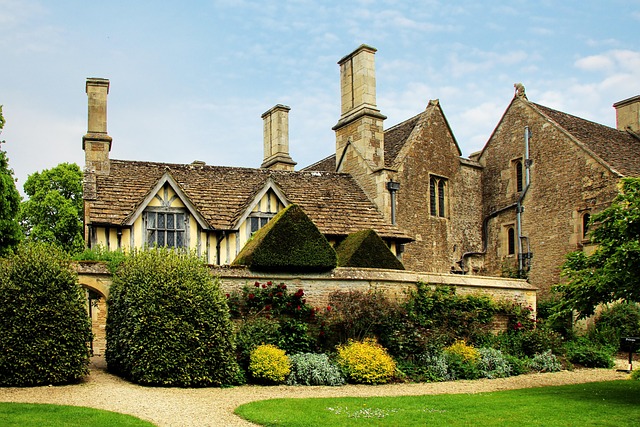
Is A Traditional House Plan The Future Of Family Homes Rejecting Open Concepts
This New Family Home Says No to Open-Plan Living and Instead Embraces Once-Outdated Layout Rules
The modern family home is quietly turning away from open-plan living. Architects and homeowners alike are rediscovering the benefits of the traditional house plan — a design once dismissed as outdated. This shift is not nostalgic but practical. Enclosed rooms offer privacy, acoustic comfort, and energy efficiency that large open spaces often lack. Families now seek homes that balance connection with separation, allowing each room to serve a clear purpose. The return of walls signals not regression but refinement: a new way to live comfortably within defined boundaries.
The Return of the Traditional House Plan
As open-plan designs lose their dominance, architects are revisiting structured layouts that prioritize privacy and purpose.
Understanding the Shift Away from Open-Plan Living
Cultural shifts have reshaped how people perceive domestic space. Remote work, online learning, and multigenerational living have made constant openness less appealing. Families now need rooms that allow simultaneous activities without interference. Noise control has become a top priority; enclosed spaces absorb sound better than vast continuous areas. Traditional zoning also brings psychological relief by creating mental boundaries between work and rest. What once felt confining now feels necessary for balance.
Historical Context of Traditional Floor Plans
Before the 20th century, homes were divided into rooms with specific roles — kitchens for cooking, parlors for guests, studies for reading. This organization reflected social order and function. The mid-century modern movement disrupted this model by promoting open-concept living as a symbol of progress and informality. Yet today’s reinterpretations merge both worlds: enclosed layouts infused with light, transparency, and flexibility through glass partitions or sliding panels. The result is not nostalgia but evolution — tradition refined through modern sensibility.
Functional Zoning in Modern Family Homes
Spatial zoning has re-emerged as a cornerstone of contemporary design thinking, balancing efficiency with emotional comfort.
Reintroducing Defined Spaces for Modern Living
Modern traditional house plans separate kitchens, dining areas, and living rooms again — not rigidly but thoughtfully. A closed kitchen keeps cooking smells contained while maintaining visual connection through interior windows or doorways. Defined dining zones encourage shared meals without distraction from screens or noise. Living rooms regain intimacy once lost in cavernous open layouts. These divisions reduce sensory overload and make cleaning, heating, and organization simpler.
The Role of Acoustics, Light, and Privacy in Room Division
Acoustic control is one of the strongest arguments for compartmentalization. Hard surfaces in open spaces amplify sound; enclosed rooms dampen it naturally. Lighting strategies have adapted too: layered lighting compensates for reduced natural light penetration by using adjustable fixtures and reflective finishes. Privacy has become essential in multi-generational households where grandparents may share space with children or remote workers need quiet corners for meetings.
Architectural and Design Principles Supporting Traditional Layouts
Today’s architects blend old spatial logic with new materials to create homes that feel structured yet fluid.
Integrating Classic Spatial Hierarchies with Contemporary Aesthetics
Designers now combine traditional hierarchies — public front rooms, private back zones — with minimalist aesthetics and smart materials. Transitions between rooms use framed openings or partial walls to maintain flow without full exposure. Symmetry remains important but is softened through asymmetrical detailing or flexible furniture placement that respects circulation patterns while meeting current codes.
Energy Efficiency and Environmental Considerations
Compartmentalized layouts can outperform open plans in energy management. Smaller enclosed rooms heat faster in winter and cool more efficiently in summer since air movement is limited to defined zones. Ventilation strategies such as cross-venting through operable windows or controlled exhaust systems keep air quality high without losing thermal stability. Compared with open spaces that require uniform conditioning, traditional plans reduce overall energy load — a subtle sustainability advantage often overlooked.
The Psychological Dimension of Enclosed Spaces
Beyond physical performance, enclosed environments deeply influence mood, focus, and family relationships.
Cognitive Benefits of Defined Rooms
Research in environmental psychology links spatial boundaries to improved concentration and lower stress levels. Separate zones help the brain switch tasks more effectively — a quiet study promotes focus while a closed bedroom enhances rest quality. During lockdown periods, many households realized how difficult it was to find solitude in open layouts; this insight continues to shape post-pandemic design priorities.
Family Dynamics in Structured Home Layouts
Defined spaces foster both togetherness and autonomy. Children can play freely without disrupting adults working nearby; elders can retreat for calm when needed. Sociologists note that structured layouts support healthier routines because each activity has its place — dining at the table rather than on the sofa encourages mindful interaction rather than passive coexistence.
Market Trends and Architectural Forecasting
The market response confirms this architectural shift: what was once “old-fashioned” now sells as practical luxury.
Consumer Preferences Driving Design Evolution
Recent real estate surveys show rising demand for homes with separate kitchens and formal living areas among families with young children or remote workers seeking quiet zones. Buyers perceive traditional floor plans as signs of craftsmanship and longevity rather than confinement. Developers respond by offering hybrid models where partial openness coexists with strategic enclosure.
How Architects Are Responding to the Shift
Architectural firms are experimenting with modular systems allowing adaptable room configurations over time — movable partitions or convertible walls that let owners redefine space as needs evolve. This flexibility honors classic structure while addressing modern fluidity in lifestyle patterns.
Technology Integration Within Traditional Layouts
Technology has made traditional house plans smarter without compromising their character.
Smart Home Systems in Compartmentalized Spaces
Connected devices now manage lighting, temperature, and security across multiple walled zones seamlessly through mesh networks that overcome signal barriers caused by thicker walls. Multi-room monitoring systems adjust energy use per zone instead of treating the entire home as one thermal unit — an approach aligning comfort with efficiency.
Balancing Innovation with Heritage Design Values
Integrating technology into heritage-inspired interiors requires discretion: concealed wiring channels, flush-mounted sensors, or voice-controlled hubs hidden within cabinetry preserve aesthetic integrity. Material choices such as natural wood veneers paired with metal trims bridge tradition with innovation gracefully. The ongoing dialogue between technology and spatial tradition defines how future homes will look — connected yet grounded in timeless design logic.
FAQ
Q1: Why are homeowners moving away from open-plan designs?
A: Many households find open spaces too noisy and distracting for remote work or family life; enclosed rooms restore privacy and calm while improving energy control.
Q2: Do traditional layouts mean smaller homes?
A: Not necessarily; they emphasize functional separation rather than size reduction, often using smart transitions like glass doors to maintain openness visually.
Q3: Are compartmentalized homes more energy-efficient?
A: Yes, smaller enclosed zones heat or cool faster because air circulation stays contained within specific rooms instead of large continuous volumes.
Q4: How do architects modernize traditional house plans?
A: They merge classic proportions with contemporary materials such as steel frames or glass partitions while integrating smart technologies discreetly into walls or ceilings.
Q5: Will this trend last long-term?
A: Market data suggests sustained interest since lifestyle changes like hybrid work continue; structured layouts meet enduring human needs for focus, comfort, and privacy better than purely open designs ever did.