
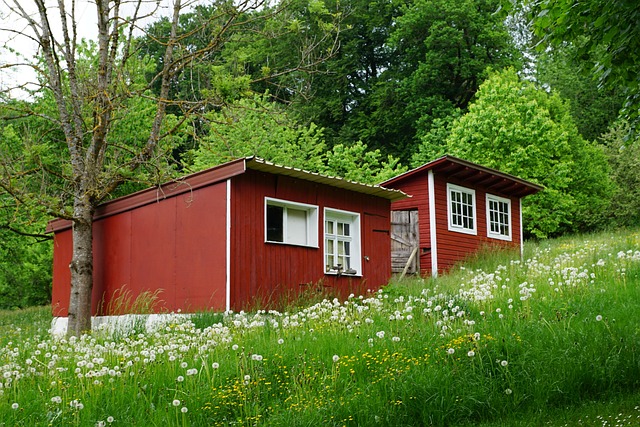
Are Tiny Home House Plans Redefining Traditional Layouts for Modern Families
Traditional Layouts, Open-Plan Living, Privacy, Energy Efficiency, Family Homes
Residential architecture has evolved from expansive traditional family homes to compact dwellings that prioritize spatial intelligence and sustainability. The shift is driven by economic constraints, environmental awareness, and changing social values. Modern tiny home house plans now reflect a balance between aesthetics, energy efficiency, and functionality. Architects reinterpret spatial hierarchies once defined by walls and corridors into fluid zones that support both privacy and connection. This transformation signifies not just a design trend but a redefinition of how families live, interact, and adapt to limited space in a resource-conscious world.
Shifting Paradigms in Residential Architecture?
The evolution of residential architecture reveals how societal changes reshape domestic environments. From the ornate symmetry of early suburban houses to the modular practicality of tiny homes, this transition embodies both cultural adaptation and environmental response.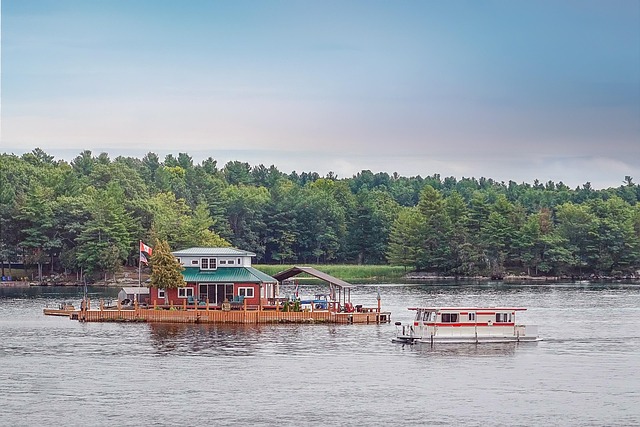
The Evolution from Traditional to Compact Living
Traditional family homes were once characterized by formal dining rooms, separate kitchens, and distinct sleeping quarters. These layouts reflected social hierarchy and gender roles embedded within domestic life. As urbanization increased and land became scarce, the need for smaller yet efficient living spaces grew. Rising housing costs and ecological concerns accelerated interest in compact living. The philosophical turn toward minimalism further encouraged homeowners to value simplicity over accumulation, promoting efficient spatial use without sacrificing comfort.
Redefining Space Utilization in Modern Homes
Architects designing tiny home house plans now dismantle conventional room divisions to create open multifunctional zones. Kitchens merge with living areas; lofts double as bedrooms or workspaces. This reinterpretation maximizes every square meter while maintaining circulation flow. Aesthetic restraint plays a critical role—using natural light, neutral palettes, and clean lines ensures compact spaces feel expansive rather than confined.
Spatial Efficiency and Functional Design Principles?
Spatial efficiency defines the success of modern compact architecture. It combines modular engineering with adaptive interiors that respond dynamically to changing needs.
Modular Design Concepts in Tiny Home Planning
Modular construction allows sections of a home to be prefabricated off-site, minimizing waste and improving precision. Prefabrication enhances cost control while enabling faster assembly times—a crucial factor for sustainable housing models. Adaptable modules can expand or contract as family needs evolve, ensuring longevity beyond initial occupancy.
Multi-Purpose Zones and Adaptive Interiors
Convertible furniture—folding beds, retractable tables—plays an essential role in multi-use environments. Vertical space becomes valuable territory: staircases conceal drawers; ceilings host suspended storage systems. Smart storage integration keeps interiors uncluttered while preserving visual openness crucial for small footprints.
Open-Plan Living and Its Influence on Family Dynamics?
Open-plan configurations dominate contemporary tiny home design because they create flexibility within constraints. Yet this openness must still accommodate privacy and functional zoning.
Reimagining Openness in Limited Spaces
Psychologically, open layouts increase perceived spaciousness through continuous sightlines and shared light sources. Architects use partial partitions or glass dividers to maintain functional separation without closing off rooms entirely. Light-colored materials amplify brightness while textured finishes add warmth often missing from minimalist interiors.
Balancing Communal Interaction with Individual Privacy
Noise control is vital when walls disappear. Acoustic zoning through rugs, ceiling baffles, or soft furnishings helps manage sound transmission across open spaces. Sliding panels or curtains provide temporary privacy when needed—especially important for families balancing shared activities with personal downtime. Transitional areas like alcoves or semi-enclosed nooks serve dual purposes as reading corners or quiet retreats.
Energy Efficiency and Sustainable Design Integration?
Tiny homes inherently consume fewer resources due to their size but demand careful planning to achieve optimal environmental performance.
Passive Design Strategies in Tiny Homes
Orientation determines solar gain; insulation quality dictates thermal stability; cross-ventilation maintains indoor air quality without mechanical systems. Natural lighting reduces daytime electricity use while materials with high thermal mass regulate temperature swings effectively. Integrating solar panels or rainwater harvesting systems strengthens self-sufficiency within compact frameworks.
Material Selection for Environmental Performance
Selecting locally sourced timber or recycled composites cuts embodied carbon significantly compared with imported materials. Reclaimed structural elements also add character while reducing waste streams from demolition sites. Though sustainable materials may increase upfront costs, lifecycle assessments often reveal long-term savings through durability and reduced maintenance demands.
Technological Advancements Supporting Tiny Home Innovation?
Technology has become integral to maximizing livability within minimal footprints—from digital design tools to smart automation systems tailored for micro-living environments.
Smart Home Systems for Compact Environments
Automation enables climate control, lighting adjustment, and security monitoring via compact interfaces without adding bulk hardware. IoT devices track energy consumption patterns in real time, allowing occupants to refine usage habits efficiently. Digital modeling software assists architects in simulating spatial performance before construction begins—critical when every centimeter matters.
Prefabrication Technologies Enhancing Accessibility and Quality Control
Advances in CNC cutting and 3D printing have improved customization options for modular components used in tiny homes. Streamlined assembly reduces on-site labor dependency while enhancing quality consistency through factory-controlled production standards compliant with ISO building codes.
Cultural and Social Implications of the Tiny Home Movement?
The rise of the tiny home movement represents more than architectural innovation—it signals a lifestyle recalibration emphasizing sustainability over status.
Redefining Family Lifestyles Through Spatial Minimalism
Living smaller reshapes daily interactions: families spend more time together by necessity yet learn cooperative routines around shared resources. Downsizing has gained cultural legitimacy as an ethical response to overconsumption rather than financial compromise. However, adapting requires behavioral flexibility—storage discipline becomes second nature; personal boundaries must be renegotiated continually.
Urban Planning Perspectives on Compact Housing Solutions
Municipalities increasingly view tiny homes as tools for addressing affordability crises without expanding urban sprawl. Policy reforms such as flexible zoning codes allow micro-dwellings within existing neighborhoods or unused lots. When integrated thoughtfully into city planning strategies, these units can diversify housing stock while supporting inclusive community development goals outlined by international sustainability frameworks like those promoted by IEA and UN-Habitat.
FAQ
Q1: What defines modern tiny home house plans?
A: They emphasize multifunctional layouts combining living, dining, and sleeping zones within minimal square footage using modular construction principles.
Q2: How do architects maintain privacy in open-plan designs?
A: Through movable partitions, acoustic zoning materials, and transitional semi-private areas that balance openness with retreat options.
Q3: Are tiny homes more energy efficient than traditional houses?
A: Generally yes; their smaller volume requires less heating or cooling energy when combined with passive design techniques such as orientation-based ventilation.
Q4: What are common sustainable materials used?
A: Locally sourced wood, recycled metal framing, reclaimed brickwork, bamboo panels—all chosen for low embodied energy profiles.
Q5: How do urban planners integrate tiny homes into cities?
A: By revising zoning laws to permit accessory dwelling units (ADUs) on existing plots or establishing dedicated micro-housing clusters near transit corridors to enhance density responsibly.