

Are Single Storey House Plans Redefining Modern Living Efficiency
Tiny Homes, Residential Architecture, Spatial Efficiency, Sustainability, Open-Plan Living
Tiny homes represent a decisive turn in residential architecture. They are not a passing trend but a systemic response to urban density, rising land prices, and environmental awareness. The architectural focus has shifted from excess to efficiency—maximizing livable volume within minimal footprints. Two-storey configurations have become central to this evolution, offering vertical solutions that balance affordability with comfort. This article examines how 2 storey house plans reshape the concept of small-scale living through spatial innovation, sustainable construction, and adaptive design principles.
The Architectural Evolution of Tiny Homes
The architectural language of tiny homes is rooted in necessity yet refined by design intelligence. It responds to global challenges such as land scarcity and climate change while redefining the aesthetics of compact living.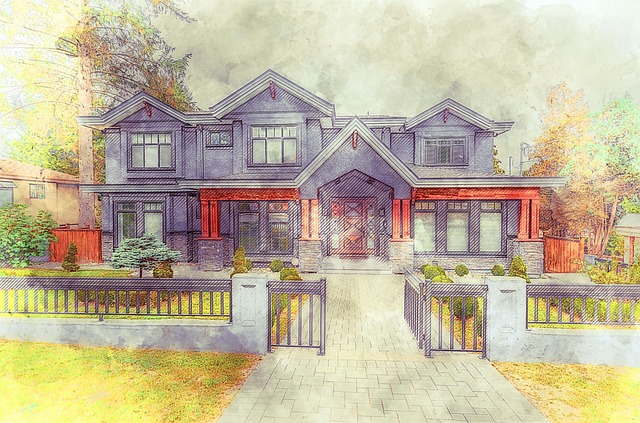
Shifting Paradigms in Residential Architecture
The rise of compact living reflects both economic and cultural shifts. In dense cities like Tokyo or New York, smaller dwellings are no longer fringe experiments but mainstream solutions to affordability crises. Minimalist philosophies—driven by the idea that less can truly be more—inform these designs. Every square meter serves multiple functions, often blurring boundaries between furniture and structure. Architects increasingly explore vertical space as an untapped resource, stacking functions rather than spreading them horizontally.
The Role of 2 Storey House Plans in the Tiny Home Movement
Two-storey layouts redefine what “tiny” means. By splitting zones vertically—living below, sleeping above—they double usable volume without expanding the footprint. Compared to single-level units, two-level configurations allow for better privacy zoning and improved natural ventilation through stack effects. The relationship between reduced ground coverage and expanded livable volume illustrates how verticality transforms constraint into opportunity.
Spatial Efficiency Through Vertical Design
Spatial efficiency lies at the heart of modern tiny home design. Vertical planning does not simply add another floor; it reorganizes domestic life around circulation, light, and height.
Maximizing Functionality in Limited Footprints
Architects employ vertical zoning to separate social areas from private retreats effectively. Loft bedrooms or mezzanines free up floor space for communal use below. Staircases double as storage systems or compact libraries. Ceiling heights become strategic tools—taller spaces near windows amplify daylight penetration while maintaining a sense of openness even in narrow plots.
Innovative Space Planning Strategies
Adaptive furniture systems complement multi-level layouts: foldaway desks convert into dining tables; modular sofas slide under staircases when not needed. Circulation design prioritizes short paths and visual transparency to avoid claustrophobic interiors. Open-plan concepts enhance perceived spaciousness by allowing sightlines across levels—a psychological trick often used in micro-apartments worldwide.
Sustainability Implications of Two-Level Tiny Homes
Sustainability is no longer optional; it defines architectural relevance today. Two-level tiny homes offer measurable ecological advantages through material efficiency and energy-conscious planning.
Material Efficiency and Energy Performance
A smaller footprint reduces soil sealing and preserves more green area per plot. Multi-level structures minimize heat loss through shared walls and compact envelopes. With careful orientation, upper floors capture daylight while lower levels stay cool naturally. Lightweight materials such as engineered timber or structural insulated panels reduce embodied carbon yet maintain strength for vertical stacking.
Long-Term Environmental Benefits
Vertical densification lowers land consumption per capita—a critical metric in sustainable urbanism identified by the International Energy Agency (IEA). Smaller conditioned volumes per occupant mean reduced heating and cooling loads over time. Roof surfaces on two-storey tiny homes can host photovoltaic panels or rainwater harvesting systems without compromising usable yard space.
Design Flexibility and Adaptability in Modern Two-Level Homes
Flexibility distinguishes contemporary architecture from its predecessors. Two-storey tiny homes exemplify this adaptability by merging modular thinking with personal customization.
Modular Construction Techniques for Vertical Expansion
Prefabricated modules simplify assembly on-site while maintaining structural precision. Modular frameworks also support future expansion—an additional mezzanine or external deck can be added later without major reconstruction. This method balances industrial efficiency with architectural individuality, allowing homeowners to scale their dwelling as needs evolve.
Customization and Lifestyle Adaptation
Upper floors often serve as flexible zones: home offices today may become nurseries tomorrow or guest suites later on. Movable partitions enable quick reconfiguration according to changing household dynamics or remote-work demands. User-centered design ensures that even within limited dimensions, comfort remains personal rather than standardized.
The Socioeconomic Context Driving Two-Level Tiny Homes
Economic pressures shape architectural trends as much as creative ideals do. The popularity of two-storey micro-housing reflects broader socioeconomic transformations occurring across global cities.
Urbanization and Land Cost Dynamics
As urban land values climb steeply, smaller footprints become financially viable only when paired with vertical growth. Many municipal policies now encourage higher-density typologies like accessory dwelling units (ADUs) or stacked micro-homes to combat housing shortages. For developers, multi-storey micro-units deliver better return per square meter while keeping projects accessible to middle-income buyers.
Cultural Shifts Toward Compact Living Models
Cultural attitudes toward space are evolving too: luxury now lies in craftsmanship and efficiency rather than size alone. Influenced by Scandinavian minimalism and Japanese modular traditions, younger generations embrace compact living as an ethical choice aligned with sustainability goals. Digital nomadism further accelerates demand for adaptable small dwellings that fit transient lifestyles yet retain architectural quality.
Future Directions in Two-Level Tiny Home Design Research
Innovation continues at the intersection of technology, behavior science, and environmental performance—fields converging around human-centered efficiency.
Technological Integration and Smart Systems
Smart home systems enhance spatial performance by automating lighting, temperature control, and energy monitoring across levels. Data-driven analytics help calibrate usage patterns for comfort optimization without wasteful consumption. Artificial intelligence tools are emerging that allow architects to simulate thousands of layout variations before construction begins—reshaping how 2 storey house plans are conceived digitally.
Architectural Innovation Toward Human-Centered Efficiency
Biophilic elements such as indoor greenery or natural materials improve well-being even within tight confines—a principle supported by studies from ISO standards on indoor environmental quality (ISO 17772). Cross-disciplinary collaboration between architects, engineers, and behavioral scientists refines these spaces beyond aesthetics into holistic habitats designed around human experience rather than pure geometry.
FAQ
Q1: Why are two-storey layouts becoming popular in tiny home design?
A: They expand livable volume vertically without increasing land use, offering privacy separation and better airflow within compact footprints.
Q2: Are 2 storey house plans more sustainable than single-level ones?
A: Yes, they typically require less ground coverage and achieve higher energy efficiency due to reduced envelope exposure per unit area.
Q3: What materials work best for lightweight two-level structures?
A: Engineered timber, cross-laminated panels, or steel frames provide strength-to-weight advantages ideal for prefabrication and transportable builds.
Q4: How do smart technologies improve small-space living?
A: Integrated sensors manage lighting and climate automatically across floors, improving comfort while reducing unnecessary energy use.
Q5: Can two-level tiny homes adapt to future lifestyle changes?
A: Modular frameworks allow easy reconfiguration—upper floors can shift from office space to sleeping quarters or leisure zones without major renovation.