
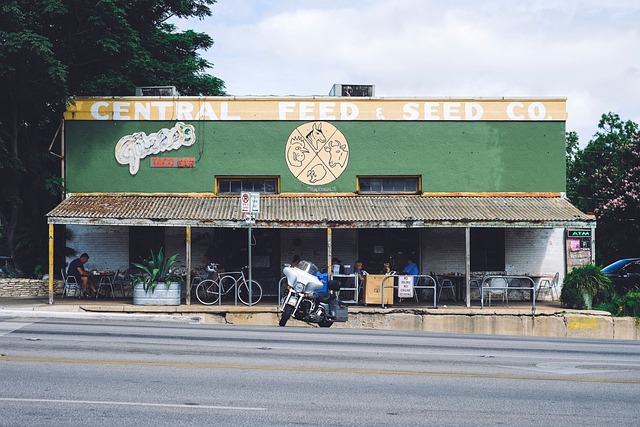
Is The Restaurant Facade The Real Cause Behind Courier Cafe’s Temporary Closure
Courier Cafe Closes Temporarily After Brick Facade Issue Discovered
Courier Cafe’s temporary closure stems from structural concerns involving its brick façade, a critical safety component of the restaurant’s historic building. Engineers identified instability in the exterior masonry, prompting immediate safety measures and a full inspection. The decision to close was precautionary, prioritizing public safety while allowing time for comprehensive evaluation and repair planning. This case highlights broader challenges faced by heritage restaurants balancing preservation with modern structural standards.
Structural Concerns Leading to Courier Cafe’s Temporary Closure
The closure of Courier Cafe underscores how quickly a restaurant facade issue can escalate into a public safety matter. Before diving into technical aspects, it’s important to trace how the situation unfolded and what the findings reveal about aging commercial structures.
Overview of the Incident
The timeline began when staff noticed minor cracks along the upper brickwork during routine maintenance. Within days, engineers confirmed that sections of the façade showed signs of separation from the main structure. The management announced an immediate temporary closure to prevent risk to patrons and employees while structural assessments were carried out. Local building authorities were notified, and inspectors issued advisories consistent with municipal safety protocols requiring immediate stabilization of compromised façades. Although no injuries occurred, officials emphasized that even minor façade displacement can signal deeper load-bearing issues.
The Role of Building Facades in Structural Integrity
A building’s façade is not merely decorative; it acts as both a weather barrier and a structural skin distributing loads across supporting elements. When deterioration occurs—especially in older masonry—moisture infiltration can weaken mortar joints and reduce overall wall cohesion. Left unchecked, such damage increases the likelihood of partial collapse or falling debris, which is why most city codes require periodic façade inspections for commercial buildings exceeding certain age thresholds. These regulations are designed to detect early warning signs before they become hazardous.
Technical Analysis of the Brick Façade Issue
The engineering evaluation at Courier Cafe revealed conditions typical of older brick structures exposed to decades of environmental stress. Understanding these mechanisms helps contextualize why preventive maintenance is vital for public-facing establishments.
Common Causes of Façade Failures in Older Structures
Environmental exposure plays a dominant role in façade degradation. Moisture seeps through porous bricks, leading to freeze-thaw cycles that expand existing cracks each winter. Thermal expansion from daily temperature swings further stresses aged materials, especially where original construction lacked modern expansion joints. Over time, mortar fatigue compounds these effects; lime-based mortars used historically can lose elasticity after decades, compromising bond strength between bricks. Some older design practices also omitted metal ties or reinforcement now considered essential under current codes.
Inspection and Assessment Procedures for Masonry Facades
Standard engineering assessments begin with a visual survey documenting cracks, bulges, or discoloration that suggest water penetration or movement. Non-destructive testing methods like infrared thermography or ultrasonic pulse velocity help identify hidden voids behind the surface layer without damaging historic fabric. Structural engineers then classify observed defects as cosmetic or critical based on displacement measurements and load path analysis. Ongoing monitoring—often using digital crack gauges—is recommended until repairs are complete to verify stability under variable weather conditions.
Evaluating Maintenance Practices at Historic Restaurants
Historic restaurants like Courier Cafe face unique maintenance hurdles where architectural character must coexist with evolving safety expectations. Balancing these priorities often complicates repair schedules and budgets.
Challenges in Maintaining Heritage or Vintage Restaurant Buildings
Preservation laws frequently restrict alterations to visible façades, meaning restorations must replicate original materials and workmanship even when modern substitutes could offer better durability. This constraint raises costs since sourcing historically accurate bricks or lime mortars requires specialized suppliers and craftsmen. Moreover, operational downtime during repairs directly affects revenue streams—a difficult trade-off for small hospitality businesses operating on thin margins.
Preventive Maintenance Strategies for Brick Facades
Preventive care centers on moisture control and timely repointing before joint erosion accelerates structural decay. Experts recommend inspecting façades annually after winter seasons when freeze-thaw damage peaks. Repointing should use compatible mortar mixes that match original composition; using harder cement-based mortars on old soft brick can trap moisture and hasten deterioration. Installing discreet flashing or drip edges above windows further diverts water away from vulnerable joints without altering appearance.
Broader Implications for Local Hospitality Infrastructure Safety
Courier Cafe’s closure serves as a cautionary case for other establishments housed in aging buildings across the community. It raises questions about regulatory oversight and how municipalities enforce routine inspection compliance among business owners.
Regulatory Oversight and Public Safety Considerations
Municipal building departments typically mandate periodic façade inspections every five years for structures above certain heights or ages. However, enforcement gaps may occur when smaller properties fall outside those thresholds despite similar risks. Recent code updates in several cities have tightened reporting requirements after incidents involving falling masonry prompted public concern. These measures aim to shift responsibility toward proactive detection rather than reactive response once damage becomes visible.
Impact on Business Continuity and Community Perception
Temporary closures disrupt operations immediately—staff schedules pause, supply contracts stall, and loyal customers turn elsewhere until reopening announcements arrive. Beyond lost revenue lies reputational impact: news of structural problems can unsettle patrons even after repairs are made unless communication remains transparent throughout restoration phases. Many businesses now use social media updates to reassure customers about progress while emphasizing commitment to safety compliance.
Engineering Insights on Preventing Future Incidents
Preventing another façade-related shutdown requires merging traditional craftsmanship with contemporary engineering tools capable of predicting failure patterns before they manifest physically.
Integrating Modern Engineering Solutions into Existing Structures
Retrofitting technologies such as stainless-steel anchor systems can discreetly reinforce detached brick wythes without altering outward appearance—a key advantage for heritage properties under preservation rules. Advances in material science have produced breathable sealants allowing moisture escape while blocking water ingress, extending masonry life cycles significantly compared with past coatings that trapped dampness inside walls. Digital modeling platforms now simulate thermal expansion behaviors over seasonal cycles, helping engineers forecast stress points long before cracking occurs.
Collaborative Roles Among Stakeholders in Structural Preservation
Effective preservation depends on coordination among property owners who fund maintenance, architects who design sympathetic interventions, engineers who assess load paths, and inspectors who verify compliance with evolving codes like those issued by ASTM International or local equivalents. Regular interdisciplinary reviews encourage early identification of potential hazards rather than waiting for visible distress signals such as bulging walls or spalling bricks.
FAQ
Q1: Why did Courier Cafe close temporarily?
A: Engineers discovered instability within its brick façade during inspection, prompting management to close temporarily for safety evaluations and necessary repairs.
Q2: What risks do deteriorating restaurant facades pose?
A: Loose masonry can detach unexpectedly, endangering pedestrians and occupants while compromising overall wall stability if underlying support weakens.
Q3: How often should commercial façades be inspected?
A: Most jurisdictions recommend professional inspection every five years for older buildings or sooner if signs like cracking or efflorescence appear.
Q4: Can historic restaurants modernize their façades safely?
A: Yes, through retrofitting techniques using concealed anchors or compatible materials that preserve aesthetics while improving structural reliability.
Q5: What lessons does this case offer other business owners?
A: Routine monitoring combined with prompt action upon detecting minor defects prevents costly closures later and reinforces customer trust in building safety standards.