
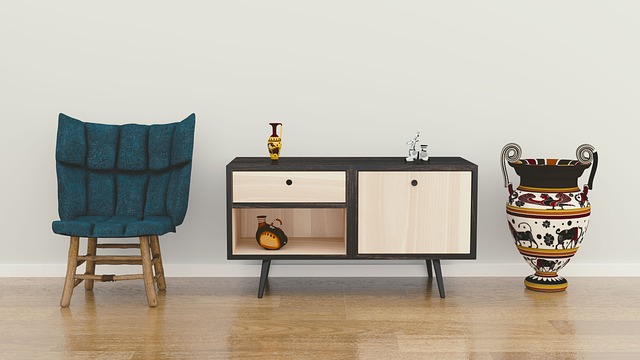
What Makes Modern Contemporary Interior Design Complement Traditional Spaces
What Is Traditional Interior Design, and How Does It Work in a Modern Home?
Traditional interior design creates an atmosphere of heritage and comfort, while modern contemporary interior design brings clarity and function. When combined, they form spaces that feel both rooted and forward-looking. The key lies in proportion, materiality, and color cohesion. A well-executed blend respects architectural history while embracing present-day living standards. In practice, this means preserving moldings or beams, introducing open layouts, and using lighting or texture to connect eras. The result is not a clash of styles but a dialogue between craftsmanship and innovation.
Understanding the Relationship Between Modern Contemporary and Traditional Design
Modern and traditional design philosophies may seem at odds, yet their intersection defines many of today’s most compelling interiors. Each approach has its own language—one speaks through simplicity and function, the other through ornamentation and depth—but together they narrate a more complete story of space.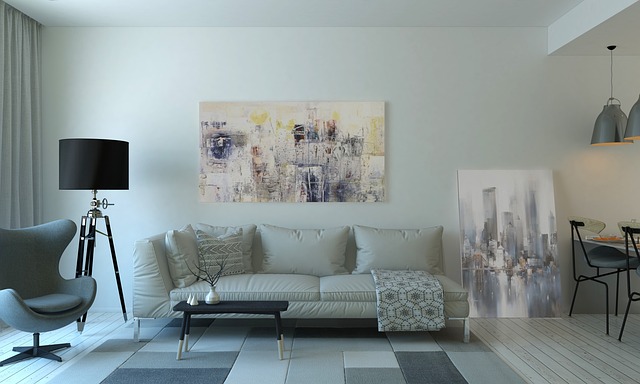
Defining Modern Contemporary Interior Design
Modern contemporary interior design focuses on clean lines, open spaces, and functional aesthetics. It favors materials like glass, steel, and concrete paired with natural textures such as wood or stone. This style prizes minimalism but leaves room for expressive art or sculptural furniture. In professional practice, designers often use restrained palettes to highlight form rather than decoration. The emphasis is on livability—spaces that breathe rather than overwhelm.
Characteristics of Traditional Interior Design
Traditional interiors draw from classical European influences where symmetry, balance, and ornate detailing dominate. Rich color palettes—burgundy, navy, forest green—combine with layered textiles like silk or velvet to evoke warmth. Furniture pieces are often carved or upholstered with historical motifs. Despite its historical roots, traditional design remains adaptable; it thrives when craftsmanship is prioritized over trend.
The Intersection of Two Design Philosophies
The most successful hybrid spaces find harmony between innovation and heritage. Both styles value quality materials and intentional composition. Transitional interiors use simplified classical elements—like pared-down moldings or reinterpreted columns—to bridge eras. The goal is not imitation but evolution: allowing tradition to inform modernity without restraining it.
Key Principles That Enable Harmony Between the Two Styles
Blending modern contemporary interior design with traditional aesthetics requires precise control over proportion, texture, and color relationships. Without these guiding principles, the mix risks visual chaos rather than cohesion.
Balancing Proportion and Scale
Proportion dictates how furnishings interact within architectural frameworks. A low-profile modern sofa might sit beneath an ornate coffered ceiling if balanced by scale-appropriate artwork or lighting. Designers must consider sightlines so neither style dominates the narrative. Visual weight becomes more important than strict symmetry; this keeps the space grounded yet dynamic.
Integrating Materiality Across Eras
Material selection bridges centuries of design thinking. Combining marble countertops with matte brass fixtures introduces tactile contrast while maintaining elegance. Wood adds warmth to steel-framed structures; concrete floors gain depth when paired with woven rugs or antique tables. Consistency in finish—such as brushed metal tones repeated across hardware—unifies disparate elements into one cohesive environment.
The Role of Color in Creating Cohesion
Color acts as the emotional glue between styles. Neutral bases like taupe or off-white provide flexibility for layering accents from both worlds. Deep hues borrowed from traditional palettes lend gravitas to minimalist rooms, while muted tones soften ornate backdrops. Layering shades within a single family ensures continuity across adjoining spaces without monotony.
Architectural Strategies for Merging Modern Contemporary with Traditional Spaces
Architectural intervention determines whether a hybrid interior feels authentic or forced. Retaining structural character while improving functionality allows old buildings to meet modern expectations gracefully.
Preserving Structural Heritage While Updating Functionality
Keeping original moldings or exposed beams maintains integrity while signaling respect for history. Removing non-load-bearing partitions can improve circulation without erasing period details. Integrating smart lighting systems discreetly enhances usability; recessed LEDs can highlight cornices just as effectively as chandeliers once did.
Using Transitional Design Elements as Connectors
A thoughtful designer uses transitional components to visually link contrasting languages of form.
Architectural Detailing as a Bridge Between Eras
Simplified crown moldings reinterpret classical ornamentation through cleaner lines and restrained profiles. Door frames may retain paneling but adopt sleeker proportions suited to modern tastes. These gestures preserve familiarity while updating perception.
Flooring and Ceiling Treatments That Unify Styles
Natural wood flooring remains universally adaptable—it grounds both traditional richness and contemporary clarity. Ceiling treatments offer another opportunity: geometric coffers echo historical motifs yet express them through modern geometry or subtle relief patterns that catch light differently throughout the day.
Furniture and Décor Integration in Hybrid Interiors
Furniture selection determines how successfully two aesthetics coexist within one room. The goal is dialogue rather than dominance.
Selecting Furniture That Reflects Dual Aesthetics
Pairing a streamlined sectional with antique accent chairs creates tension that feels curated rather than accidental. Custom pieces often reinterpret classic silhouettes using new materials like powder-coated metal or acrylic inserts within wooden frames. Avoiding excessive ornamentation keeps focus on proportion instead of embellishment.
Lighting as an Expression of Style Fusion
Lighting carries emotional tone across styles more effectively than almost any other element.
Modern Fixtures in Classic Settings
A sculptural pendant above a mahogany dining table introduces artistry without undermining tradition. Conversely, vintage chandeliers placed within minimalist rooms add narrative depth through contrast—a reminder that beauty often lies in juxtaposition.
Layered Lighting Techniques
Combining ambient ceiling lights with task lamps and wall sconces creates dimensionality across functions and moods. Dimmers allow seamless shifts from formal gatherings to relaxed evenings while preserving architectural emphasis where needed most.
Spatial Composition and Flow in Blended Interiors
Spatial planning defines how occupants experience continuity between old-world charm and modern efficiency.
Open Concept Adaptations Within Traditional Architecture
Removing unnecessary partitions enhances connectivity but must respect existing hierarchy—living areas should flow naturally into dining zones without diluting their individual identities. Maintaining subtle thresholds through flooring transitions helps preserve intimacy even within open layouts.
The Importance of Visual Continuity
Repetition anchors perception amid stylistic diversity.
Repetition of Forms and Motifs
Repeating geometric shapes—arches echoed in window frames or circular mirrors—creates rhythm across rooms regardless of period reference.
Sightlines That Connect Old and New Elements
Aligning focal points such as fireplaces with contemporary artworks establishes visual pathways that guide movement intuitively from one aesthetic realm to another.
Sustainability Considerations in Modern-Traditional Hybrids
Sustainability adds another layer of meaning beyond style—it connects past craftsmanship with future responsibility.
Reusing Existing Architectural Elements
Restoring original joinery reduces waste while preserving authenticity that new construction cannot replicate economically or emotionally.
Incorporating Energy-Efficient Systems Discreetly
Integrating HVAC ducts behind cornices or embedding smart sensors into plaster walls maintains comfort standards without disturbing historic fabric—a delicate balance achieved through technical precision more than visual flair.
Cultural Contexts Influencing Modern-Traditional Blends
Regional culture shapes how designers interpret transition between eras; no universal formula exists because context dictates expression.
Regional Interpretations of Transitional Design
In European contexts, preservation laws often require retention of ornate façades while allowing interiors subtle modernization through neutral finishes or modular furniture systems. In contrast, Asian interpretations merge minimalism with cultural symbolism where handcrafted screens coexist beside sleek surfaces—a quiet conversation between heritage rituals and technological lifestyles.
Future Directions for Integrating Modern Contemporary Design into Traditional Spaces
Design continues evolving alongside materials science and adaptive reuse practices that redefine how history interacts with innovation.
Emerging Trends in Material Innovation
New composites replicate natural textures like limestone or walnut yet offer durability suited for high-traffic hybrid environments—a solution aligning sustainability goals with aesthetic fidelity demanded by expert clients worldwide.
Adaptive Reuse as a Design Philosophy
Transforming heritage buildings into functional residences illustrates society’s shifting values: honoring memory while accommodating change through thoughtful spatial adaptation rather than demolition-driven progressivism.
FAQ
Q1: How can modern contemporary interior design enhance a traditional home?
A: It introduces openness, lighter materials, and efficient layouts that refresh classical frameworks without losing their soul.
Q2: What colors best unify traditional architecture with modern furniture?
A: Neutral foundations paired with muted jewel tones create cohesion by balancing vibrancy against restraint.
Q3: Is it necessary to preserve all historical details when updating interiors?
A: Not always; selective preservation maintains authenticity while allowing flexibility for current needs such as lighting integration or accessibility upgrades.
Q4: Can technology coexist visually within classic interiors?
A: Yes; concealed wiring systems, recessed speakers, or smart thermostats can operate invisibly behind decorative structures when planned early in renovation phases.
Q5: What role does craftsmanship play in hybrid designs?
A: Craftsmanship provides continuity—it translates quality across centuries by linking artisanal methods with contemporary precision manufacturing techniques that uphold both beauty and durability standards set by professionals today.