
Can Living Room Wall Design Transform 21 Small Living Rooms With TVs That Actually Look Good
21 Small Living Rooms With TVs That Actually Look Good
Small living rooms with TVs can achieve both comfort and sophistication when wall design is treated as a strategic element rather than an afterthought. The key lies in how spatial perception, color, and materials interact with technology. Expert designers now approach living room wall design as a tool for balance—using proportion, texture, and lighting to make compact areas feel open and cohesive. The most successful setups integrate the TV seamlessly into the architecture, creating visual unity without sacrificing function.
The Role of Wall Design in Small Living Rooms with TVs
In compact interiors, every surface contributes to how space feels and functions. Wall treatments influence not only aesthetics but also how viewers experience scale and depth around a TV area.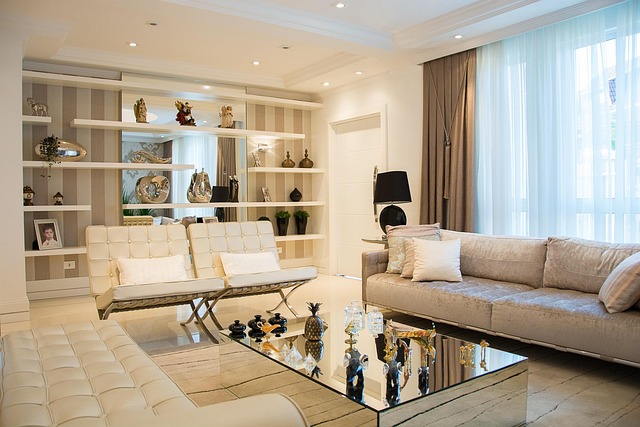
Understanding Spatial Dynamics in Compact Living Areas
Wall design shapes the perception of volume by guiding the eye across continuous lines or defined focal zones. When vertical panels or elongated textures are used, they can stretch the visual height of a room. The placement of the TV should respect sightlines and symmetry; centering it on a balanced wall composition avoids visual tension. Designers often integrate shelving or recesses to blend screens within architectural rhythm rather than letting them dominate limited square footage.
The Psychological Impact of Wall Treatments
Color psychology plays a subtle yet powerful role in small spaces. Soft neutral tones expand perceived boundaries, while darker hues create intimacy around entertainment zones. Textured finishes—like limewash or fabric cladding—add warmth without crowding the area. A well-framed TV wall becomes an anchor point that stabilizes the viewer’s gaze, reducing clutter anxiety common in tight layouts. Layered materials such as matte paint paired with wood slats can enhance depth and tactile interest.
Design Principles for Harmonizing TVs with Wall Aesthetics
Effective living room wall design balances technology with architectural coherence. The goal is to make the TV feel intentional within the composition rather than an afterthought.
Achieving Visual Integration Between TV and Wall Elements
Framing techniques help merge digital screens into decor schemes. Recessed mounts, floating panels, or custom millwork can conceal edges for a built-in look. Aligning horizontal lines from shelves or trims with the screen’s dimensions maintains proportional harmony. Material consistency—such as matching veneer tones or matte finishes—ensures that both screen and surroundings read as one cohesive surface.
Balancing Functionality with Aesthetic Appeal
Function must coexist with form in small living rooms. Concealed wiring channels inside wall cavities prevent cable clutter that disrupts minimalist compositions. Slim cabinetry under the TV provides discreet storage for media devices while maintaining visual lightness. Ergonomically, mounting height should align roughly at eye level when seated to reduce neck strain—a detail often overlooked but critical for comfort in confined seating arrangements.
Innovative Wall Design Concepts for Small Living Rooms with TVs
Innovation today leans toward multi-functionality and material restraint. Designers experiment with modularity and subtle lighting to maximize perceived openness.
Minimalist Approaches to Space Optimization
Monochromatic palettes unify surfaces and reduce visual noise, allowing furniture and technology to coexist effortlessly. Floating shelves or recessed niches keep floor areas clear while offering display opportunities for art or books. Integrated LED strips behind panels softly illuminate textures around the TV zone, providing ambient glow that enhances depth during viewing without glare.
Textural and Material Experimentation in Limited Spaces
Combining tactile materials such as oak veneers, stone laminates, or acoustic fabrics introduces sensory richness without bulk. Reflective glass or metallic accents amplify brightness by bouncing light across walls—a useful trick in window-limited apartments. Alternating matte plaster finishes with glossy lacquer details creates dynamic layering that feels sophisticated yet restrained.
Integrating Technology Seamlessly into Wall Design
Modern living rooms rely on hidden systems that simplify daily use while maintaining clean aesthetics.
Smart Storage and Concealment Solutions
Sliding wall panels or pivoting doors allow TVs to disappear entirely when not in use, transforming entertainment walls into sculptural backdrops. Multi-functional partitions combine display niches with integrated speakers or consoles for compact efficiency. Some setups employ motorized lifts enabling flexible positioning depending on seating configuration—a feature increasingly popular in adaptive urban homes.
Lighting Design as a Complementary Feature
Lighting defines mood around media walls more than many realize. Soft backlighting behind screens reduces contrast strain during dark scenes, improving comfort over long viewing periods per IEC ergonomic standards (IEC 62341-6-2). Accent lights embedded along architectural joints highlight craftsmanship while keeping focus balanced between décor elements and display content. Layered illumination—from ceiling coves to baseboard washes—adds dimension that visually enlarges tight rooms.
Color Theory Applications in Living Room Wall Design with TVs
Color coordination determines whether technology recedes gracefully or stands out awkwardly within small interiors.
Using Color to Define Zones and Enhance Depth
Neutral backgrounds like warm whites or greige tones allow black screens to blend quietly when off, minimizing dominance of electronics in daylight hours. Contrasting accent walls behind media units can frame focal points effectively if kept tonal rather than saturated. Gradient painting techniques transitioning from darker bases upward create illusion of height—a subtle method favored by many interior architects working on micro-apartments.
Harmonizing Palette Choices with Screen Technology and Décor Style
Ambient lighting temperature influences how colors appear beside modern OLED displays; cooler grays pair better under daylight conditions while warmer taupes suit evening illumination schemes defined by ISO lighting guidelines (ISO 8995-1). Coordinating hues between upholstery fabrics and wall finishes strengthens cohesion across furnishings even when layouts are asymmetrical. Reflective control is equally vital: matte paints near glossy screens prevent unwanted reflections that distract from viewing clarity.
Practical Examples of 21 Small Living Rooms That Achieve Visual Harmony with TVs
Across global projects, designers have refined numerous strategies proving that limited space does not limit creativity.
Compact Urban Apartments with Integrated Media Walls
In dense city apartments under 40 square meters, modular shelving systems often double as structural dividers separating lounge zones from sleeping areas while embedding slim televisions flush within cabinetry planes. Vertical storage towers exploit ceiling height efficiently without adding bulk at eye level—a spatial tactic observed frequently in Scandinavian micro-lofts.
Contemporary Minimalist Homes Employing Subtle Wall Treatments
Smooth plaster surfaces tinted in soft clay hues absorb light evenly so that mounted screens appear part of the architecture itself rather than applied components. Invisible brackets maintain uninterrupted lines across feature walls; this purity suits minimalist aesthetics where every joint matters more than decoration itself.
Eclectic Interiors Balancing Art, Texture, and Technology
Eclectic living rooms achieve harmony by treating televisions as one among several framed pieces within gallery-style arrangements mixing prints, mirrors, and relief panels around them. Layered materials—from woven textiles to brushed brass trims—generate rhythm that draws attention equally across surfaces instead of isolating digital devices visually.
Future Directions in Small Living Room Wall Design with TVs
Emerging trends point toward sustainability and digital adaptability shaping future interiors where walls become active participants rather than passive enclosures.
Emerging Materials and Sustainable Practices
Eco-composites derived from recycled cellulose fibers are replacing conventional gypsum boards due to lower embodied carbon values reported by IEA building materials data (IEA 2023). Modular panel systems designed for disassembly support evolving media technologies without full renovation cycles—a shift aligning environmental responsibility with flexibility demands of modern households.
The Influence of Digital Integration on Aesthetic Decisions
Interactive wall surfaces capable of switching between artwork displays and entertainment modes blur boundaries between décor and device ecosystems guided by IEEE smart home interface standards (IEEE 2030). Adaptive LED lighting synchronized to screen content dynamically alters ambient tone across surrounding walls—creating immersive atmospheres once reserved for dedicated theaters but now achievable even in 20-square-meter lounges.
FAQ
Q1: What color works best behind a TV in small living rooms?
A: Neutral shades like beige or soft gray help reduce contrast against black screens while keeping rooms visually open.
Q2: How high should a TV be mounted for ergonomic comfort?
A: Ideally, the center of the screen aligns at seated eye level—about 42 inches from floor height depending on sofa dimensions.
Q3: Can textured walls interfere with sound quality?
A: Slight textures may diffuse reflections beneficially; heavy relief patterns might scatter audio unevenly unless paired with acoustic backing panels meeting ISO 354 standards.
Q4: What lighting type minimizes glare during viewing?
A: Indirect LED backlighting positioned behind the screen softens brightness transitions between content frames and surrounding environment per IEC recommendations on luminance balance.
Q5: Are sustainable materials durable enough for feature walls?
A: Modern eco-composites using plant-based resins demonstrate comparable strength to MDF boards while offering improved humidity resistance verified through ASTM D1037 testing protocols.