
Is Over The Bed Decor Redefining Spatial Aesthetics In Modern Bedrooms
IKEA’s Showrooms Convinced Me to Put Coat Hooks Above My Bed
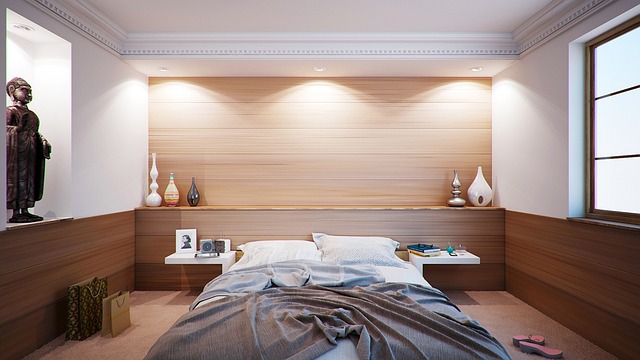
In contemporary design, the idea of over the bed decor has moved from a stylistic afterthought to a defining feature of bedroom architecture. Retail showrooms have played a major role in this shift, demonstrating how vertical space can become both functional and expressive. The placement of coat hooks, art, or lighting above the bed no longer feels unconventional but rather emblematic of modern spatial intelligence. This transformation reflects a broader cultural movement where personal environments merge aesthetics with daily utility, creating bedrooms that feel curated yet lived in.
The Emerging Concept of Over-the-Bed Decor in Contemporary Interior Design
The concept of over the bed decor has evolved alongside changing lifestyles and interior philosophies. What was once an empty wall is now seen as an opportunity for self-expression and spatial balance.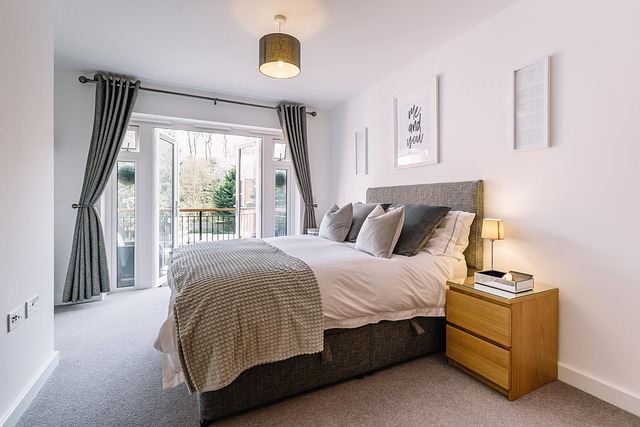
The Shift From Purely Functional Bedroom Design to Expressive Spatial Styling
Bedrooms were historically designed for rest and storage, with minimal emphasis on visual storytelling. Today’s interiors treat the bed wall as a canvas for personality—mirrors, framed textiles, or sculptural shelves transform it into an aesthetic statement. Designers now view this area as central to establishing mood and proportion within small or large spaces.
How Modern Lifestyles Influence Decorative Choices Above the Bed
Remote work and flexible living have blurred boundaries between private and multifunctional zones. As people spend more time indoors, they seek decor that feels emotionally resonant yet practical. Installing hooks or ledges above the headboard allows quick access to essentials while maintaining visual order—a reflection of efficiency meeting artistry.
The Integration of Art, Lighting, and Storage as Visual Focal Points
Modern bedrooms blend function with ambiance through layered compositions: pendant lamps double as sculptures; floating shelves hold plants or ceramics; linear sconces cast soft gradients across textured surfaces. Each element contributes to rhythm and depth, ensuring over-bed installations serve both purpose and poise.
Redefining Vertical Space in Bedroom Environments
The vertical plane above the bed is often underutilized despite its potential to reshape perception. Thoughtful use of height introduces balance between ceiling and floor while framing the sleeping zone as an architectural centerpiece.
Utilizing Wall Height as an Underexplored Design Dimension
Designers increasingly treat wall height as a compositional asset rather than a constraint. Tall headboards paired with upper shelving or hanging elements emphasize scale, guiding the eye upward to make compact rooms feel expansive without cluttering floor area.
How Over-the-Bed Installations Contribute to Spatial Balance
Balanced arrangements above the bed prevent visual heaviness at lower levels. A centered artwork flanked by sconces or symmetrical shelving stabilizes proportions across horizontal axes. This equilibrium enhances comfort by creating coherence between furniture massing and wall articulation.
The Psychological Impact of Vertical Decor on Room Perception
Vertical layering influences emotional response: elevated objects evoke openness and calm, while clustered low elements can feel confining. Strategic placement encourages relaxation by extending perceived ceiling height—a subtle psychological cue that amplifies serenity.
The Influence of Retail Showrooms on Design Perception
Retail environments have become laboratories for domestic imagination. Through immersive layouts, they teach spatial logic intuitively—showing how unconventional placements like coat hooks above beds can still appear harmonious.
How Experiential Retail Environments Shape Design Trends
Showrooms from major brands demonstrate how multi-sensory staging normalizes bold ideas. By arranging mock bedrooms with layered lighting and unexpected wall treatments, they allow visitors to visualize possibilities beyond traditional design norms.
The Role of Curated Showroom Experiences in Normalizing Unconventional Decor Placements
Curated vignettes reveal that even pragmatic items—hooks, rails, small shelves—can appear elegant when integrated thoughtfully. This visual education subtly shifts consumer expectations toward experimentation within personal interiors.
Consumer Behavioral Shifts Driven by Immersive Design Demonstrations
Exposure to tactile displays influences purchase behavior more effectively than digital catalogs. Visitors often replicate showroom arrangements at home because they’ve experienced their functionality firsthand—a phenomenon driving widespread adoption of over the bed decor solutions.
Translating Showroom Inspiration Into Residential Spaces
Adapting commercial staging into lived-in environments requires discernment: proportion, material weight, and safety all determine success when transferring ideas from display floors to private rooms.
Adapting Commercial Display Concepts for Personal Interiors
Residential adaptation begins with scale translation—what fits under retail lighting may overwhelm domestic ceilings. Designers recommend focusing on modular pieces that echo showroom styling but maintain ergonomic integrity at home.
Balancing Visual Inspiration With Practical Constraints Like Safety and Proportion
Safety remains critical when installing overhead fixtures or heavy frames near sleeping zones. Lightweight materials such as rattan panels or acrylic art ensure aesthetic impact without compromising security or comfort.
Techniques for Achieving Showroom-Level Cohesion at Home
Cohesion depends on consistent palettes and repetition of textures across surfaces: linen bedding paired with matte ceramics or brushed metal accents maintains harmony reminiscent of professional displays while preserving individuality.
Functional and Aesthetic Roles of Over-the-Bed Decor
Beyond beauty lies purpose—today’s over the bed decor integrates storage efficiency with sensory appeal through adaptable design systems.
Merging Functionality With Visual Expression
Hooks serve dual roles: holding garments while adding rhythm through repetition; slim ledges display rotating artwork without nails; adjustable sconces provide reading light yet sculpt shadow play across walls.
Decorative Objects That Enhance Both Utility and Ambiance
Objects chosen for dual impact—woven baskets for texture and storage, framed mirrors amplifying light—extend usability while enriching atmosphere through tactile diversity.
Strategies for Maintaining Harmony Between Form and Function
Harmony arises from restraint: limiting materials to two or three finishes avoids chaos; aligning object edges with headboard lines preserves visual order even amid eclectic compositions.
Materiality and Texture Considerations in Overhead Design
Material selection defines sensory tone within bedroom ecosystems—soft textiles temper hard surfaces while sustainable finishes future-proof style longevity.
Choosing Materials That Complement Bedding and Wall Finishes
Natural fibers like linen harmonize with matte plaster walls; metallic accents contrast effectively against muted palettes without overpowering softness inherent to sleeping areas.
The Tactile Interplay Between Soft Furnishings and Structural Decor Elements
Combining plush headboards with rigid wooden frames creates textural counterpoint that stimulates touch perception while maintaining compositional stability around focal points above the bed.
Sustainable Material Choices for Long-Term Aesthetic Relevance
Eco-conscious materials such as bamboo composites or recycled glass lend both durability and ethical credibility, aligning personal spaces with global sustainability priorities emphasized by ISO environmental standards (ISO 14001).
Spatial Psychology and the Semiotics of Over-the-Bed Decor
Decor above sleeping zones carries symbolic resonance—it frames rest within narratives of identity, aspiration, or tranquility depending on form and illumination strategy.
Emotional Resonance of Elevated Decor Elements
Elevated compositions convey security when balanced symmetrically yet evoke curiosity through asymmetry; their presence subtly affects relaxation cycles by modulating perceived enclosure levels during rest periods.
Symbolic Interpretations of Overhead Placement in Interior Psychology
Objects suspended above beds often signify guardianship or aspiration—a metaphorical “sky” reflecting personal values embedded within domestic ritual spaces.
Creating Personalized Narratives Through Curated Wall Compositions
Layering photographs beside abstract art constructs intimate storytelling where memory meets modernity—each arrangement narrates lifestyle evolution rather than mere decoration choice.
Light, Shadow, and Spatial Depth Perception
Lighting transforms flat walls into dimensional experiences. Directional beams sculpt reliefs across textures while diffused glows soften transitions between ceiling planes and furniture lines.
The Effect of Directional Lighting on Perceived Ceiling Height and Room Depth
Angled sconces draw attention upward by elongating shadows vertically; this optical stretch increases perceived height even in low-ceiling rooms common in urban apartments.
Layering Light Sources to Emphasize Texture and Volume Above the Bed
Combining ambient overhead light with targeted task lamps accentuates depth variations along decorative panels or hanging art forms—creating dynamic interplay between brightness zones.
Integrating Ambient, Accent, and Task Lighting Within Over-Bed Arrangements
A tri-layer approach ensures adaptability: ambient fixtures establish mood baselines; accent strips highlight detail; movable reading lamps support nightly routines without glare fatigue.
Contemporary Design Approaches to Over-the-Bed Styling
Modern practice diverges into two dominant aesthetics: minimalist restraint versus expressive eclecticism—each offering distinct interpretations of vertical storytelling within private quarters.
Minimalist Interpretations of Vertical Decor Concepts
Minimalist schemes favor linear geometry, neutral hues like sand or graphite, emphasizing voids over volume so negative space itself becomes meditative ornamentation enhancing clarity before sleep.
Using Negative Space to Enhance Visual Calmness and Sophistication
Intentional emptiness amplifies serenity; spacing artworks evenly across wide margins reduces cognitive noise allowing focus on texture subtleties rather than quantity alone.
Subtle Detailing That Aligns With Minimalist Architectural Principles
Hidden brackets supporting floating shelves exemplify precision craftsmanship where invisibility equates refinement—a quiet luxury aligned with contemporary architectural ethics valuing purity over excess.
Eclectic and Expressive Over-Bed Arrangements
Eclectic styles embrace diversity through juxtaposition: patterned textiles beside metallic sculptures generate energy that mirrors globalized cultural blending found in today’s interiors.
Combining Diverse Art Forms—Sculptural Pieces, Textiles, or Modular Shelving Systems
Mixing mediums introduces rhythm shifts akin to musical variation; woven tapestries soften angular shelving lines producing layered sensory narratives within confined vertical zones.
Curated Asymmetry as a Tool for Dynamic Spatial Storytelling
Slight imbalance sparks movement perception—the human eye instinctively traces irregular alignments generating vibrancy absent from symmetrical layouts typical in conservative designs.
Incorporating Cultural or Biophilic Motifs to Enrich Sensory Experience
Botanical prints or carved motifs referencing local heritage reconnect occupants with nature cycles fostering calm supported by biophilic design research recognized by IEA frameworks promoting well-being indoors.
Future Directions in Bedroom Spatial Aesthetics
Emerging technologies merge seamlessly with sustainability ethics redefining how over the bed decor adapts across decades rather than trends alone.
Technological Integration in Over-the-Bed Design Solutions
Smart lighting systems adjusting color temperature according to circadian rhythms personalize comfort scientifically validated by IEEE illumination studies linking light spectra to sleep quality improvement metrics.
Modular Decor Components Adaptable to Evolving User Preferences
Interchangeable panels using magnetic mounts enable seasonal refreshes without permanent drilling—a flexible model aligning aesthetics with evolving lifestyle patterns common among urban renters seeking reversibility.
Augmented Reality Tools Aiding Visualization Before Installation
AR applications now preview scale accuracy virtually preventing misalignment errors pre-installation saving both cost and material waste during renovation phases guided by ISO digital modeling standards (ISO/IEC 19775).
Sustainability and Ethical Considerations in Decorative Choices
Sustainability extends beyond materials into lifecycle thinking where longevity replaces novelty as ultimate design virtue shaping future domestic ethics globally recognized under circular economy directives (IEA 2023).
Eco-Conscious Production Methods Influencing Decor Material Selection
Manufacturers adopting closed-loop production minimize emissions ensuring traceable sourcing verified through environmental product declarations compliant with ISO 14025 frameworks promoting transparency throughout supply chains.
Longevity as a Key Criterion in Sustainable Bedroom Design Decisions
Durability outweighs trend adherence; timeless finishes reduce replacement frequency conserving resources while maintaining aesthetic integrity across decades irrespective of fashion cycles influencing consumption habits worldwide reported by Bloomberg Green indexes tracking interior sustainability trends globally (Bloomberg 2024).
FAQ
Q1: What defines effective over-the-bed decor?
A: It combines proportionate placement, safe installation methods, cohesive color coordination, and purposeful integration balancing function with emotion within limited vertical space zones around bedsides.
Q2: Are coat hooks safe above beds?
A: Yes if lightweight materials are used securely anchored into studs avoiding heavy loads directly overhead ensuring both practicality and occupant safety compliance per general interior safety guidelines (IEC 60364).
Q3: How do lighting choices affect mood near sleeping areas?
A: Warm-toned dimmable lights induce relaxation whereas cool tones enhance alertness making adjustable smart systems ideal for circadian alignment enhancing rest quality measured under IEEE photometric parameters standards (IEEE P1789).
Q4: Which materials best suit sustainable over-bed installations?
A: Bamboo composites reclaimed wood recycled glass offer renewable durability meeting ISO-certified environmental performance metrics supporting long-term ecological balance goals set under IRENA sustainability frameworks (IRENA 2022).
Q5: Can showroom concepts translate realistically into small apartments?
A: Yes through scaled-down modular solutions prioritizing proportionate spacing lighter textures neutral palettes replicating cohesion visually achievable even within compact layouts characteristic of dense urban housing markets globally analyzed by Reuters Home Trends Review (Reuters 2023).