
How Can Office Desk Decor Reflect the Power Aesthetic of Harvey Specter
Harvey Specter’s Home & Office Decor Should Be an Inspiration to Us All
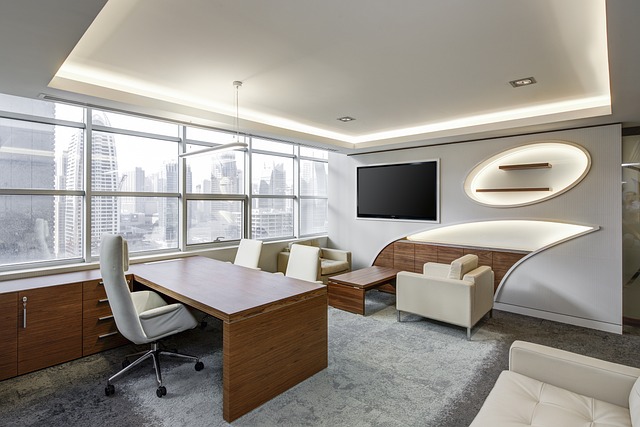
Harvey Specter’s workspace in Suits is more than a set design; it’s a visual thesis on authority, composure, and control. His office desk decor isn’t about excess—it’s about precision. Every object, from the leather-bound folders to the glass-topped desk, serves a psychological function: to project dominance without aggression. The aesthetic balance between luxury and restraint translates into a professional environment where confidence becomes visible. For experts analyzing executive interiors, Specter’s design is a masterclass in how form communicates power.
Defining the “Power Aesthetic” in a Professional Environment
The idea of power in design isn’t about opulence but about command through subtlety. In corporate settings, the arrangement of space and materials can shape perceptions long before words are exchanged.
The Concept of Visual Dominance and Authority Through Design
Visual dominance stems from symmetry, clarity, and proportion. When an office features sharp lines and structured geometry, it visually mirrors decisiveness. Executives often favor clean spatial hierarchies that imply order—an unspoken cue that decisions here are final.
How Material Selection, Symmetry, and Minimalism Contribute to Perceived Power
Minimalism signals focus. High-quality materials like walnut wood or polished steel convey permanence. Symmetry reinforces predictability and balance—qualities psychologically linked with leadership stability. A well-balanced layout reduces distractions, allowing the user’s presence to command attention naturally.
The Psychological Impact of Design on Confidence and Negotiation Dynamics
Design doesn’t just influence perception; it shapes behavior. Studies in environmental psychology suggest that structured environments can increase cognitive control during negotiations. A desk free of clutter subconsciously communicates readiness and composure—qualities that tilt power dynamics subtly yet effectively.
The Role of Environment in Projecting Success
A workspace is not merely functional; it is narrative architecture that tells clients who they are dealing with before any conversation begins.
Spatial Organization as a Reflection of Professional Control
In high-stakes industries like law or finance, spatial clarity equals mental clarity. Straight sightlines and deliberate spacing between furniture indicate foresight and discipline. A misaligned chair or disorganized file stack can signal hesitation—a detail no top-tier negotiator allows.
How Curated Surroundings Influence Client Perception
Clients read environments instinctively. A room curated with precision—artwork aligned at eye level, lighting balanced across surfaces—suggests reliability. It reassures visitors that they are entering a space governed by competence rather than chaos.
The Relationship Between Workspace Aesthetics and Personal Branding
Harvey Specter’s office decor is his brand distilled: sleek, confident, unapologetically modern. For professionals building personal brands, consistency between environment and persona amplifies credibility. The desk becomes both stage and statement piece.
Translating Harvey Specter’s Style into Office Desk Decor
Specter’s environment blends executive gravitas with minimalist restraint—a combination attainable through deliberate material choice and proportion control.
Core Design Principles Behind Specter’s Workspace
His workspace features clean lines intersecting with reflective surfaces that amplify light without distraction. Premium materials—leather, steel, glass—create tactile contrast while maintaining harmony. The key lies in proportion: no single element overwhelms another.
Integration of Modern Minimalism With Subtle Luxury Cues
Luxury in this context whispers rather than shouts. A single designer lamp or sculptural pen holder replaces cluttered ornamentation. Each object earns its place through craftsmanship rather than logo visibility.
Use of Contrast—Dark Tones Against Metallic or Glass Accents—to Create Visual Authority
Contrast anchors the eye. Dark wood desks paired with chrome details create tension that signals strength. This controlled interplay between light and dark establishes hierarchy within the visual field—a hallmark of Specter’s aesthetic logic.
Selecting Materials That Evoke Power and Precision
Material selection defines tactile identity; it translates abstract authority into physical texture.
Leather Accents and Executive Detailing
Leather conveys maturity and assurance. A leather desk mat or chair upholstery introduces warmth without sacrificing professionalism. Texture variation between matte leather and polished metal adds depth while sustaining visual calmness essential for focus-driven workspaces.
Metallic and Glass Elements for Modern Sophistication
Glass surfaces reflect clarity; metal frames express structure. Chrome finishes lend precision through their engineered feel, while brushed aluminum suggests durability without ostentation. Together they form a language of efficiency suited for decision-making environments.
Strategic Use of Color, Lighting, and Layout
Color theory and lighting design are silent partners in shaping emotional tone within executive offices.
Color Psychology in Command-Oriented Workspaces
Deep hues such as charcoal or navy communicate stability and control—tones often favored by boardrooms seeking gravitas. Neutral palettes soften intensity for daily usability while maintaining an aura of authority suitable for long hours under pressure.
Lighting Design to Reinforce Focus and Authority
Lighting dictates rhythm within space. Task lamps concentrate illumination where action occurs; ambient fixtures diffuse stress through balanced brightness levels. Warm-white tones offer comfort yet preserve alertness—a subtle equilibrium ideal for leadership zones.
Symbolism Through Accessories and Object Placement
Accessories serve as punctuation marks within professional storytelling—they clarify intent without cluttering message delivery.
The Function of Minimalist Decor in High-Power Offices
Minimalist decor enforces discipline by limiting distraction points. Controlled use of objects—perhaps one sculpture or framed diploma—keeps focus on dialogue rather than decoration. This restraint mirrors strategic thinking valued at executive levels.
Incorporating Personal Artifacts Without Diluting Professionalism
Personalization should enhance identity without eroding authority balance.
Books, Awards, and Memorabilia as Status Indicators
Curated displays communicate achievement rather than sentimentality. An award placed centrally asserts competence; books arranged by subject reveal intellectual range without pretension. Each item contributes to narrative coherence between persona and profession.
Balancing Personal Narrative With Corporate Gravitas Through Selective Placement
Placement hierarchy matters: private memories stay peripheral; public accomplishments occupy focal zones visible from client seating positions—a psychological framing device reinforcing credibility during interactions.
Integrating Technology Seamlessly Into the Power Aesthetic
Technology integration must respect visual discipline while supporting functionality demanded by modern executives.
Concealing Cables and Devices for Visual Discipline
Cable management systems maintain spatial order crucial to high-end offices where disorder equates to distraction. Wireless peripherals sustain cleanliness across work surfaces aligning with contemporary executive decorum standards observed in corporate design studies (IEEE Workspace Ergonomics Report 2022).
Digital Minimalism as a Reflection of Mental Clarity
Streamlined setups mirror mental efficiency associated with leadership roles documented by ISO 9241 ergonomic guidelines emphasizing simplicity for cognitive performance enhancement within digital workstations.
Curating an Atmosphere That Embodies Confidence and Control
Beyond visuals lie sensory cues shaping subconscious impressions critical to perceived authority levels inside elite offices.
Scent, Sound, and Texture as Subtle Reinforcements of Presence
Ambient fragrance using cedarwood or bergamot builds olfactory associations with professionalism; low-volume instrumental soundscapes sustain composure during extended negotiations; tactile richness from fine-grain woods reinforces physical affirmation of focus under pressure conditions common among legal practitioners like Specter himself.
Use of High-Quality Materials Creates Tactile Affirmation of Status and Focus
Touchpoints—from drawer handles to writing instruments—should feel deliberate yet effortless; this sensory feedback loop strengthens user confidence translating directly into behavioral assertiveness measurable during client engagements (Bloomberg Workplace Behavior Study 2023).
Applying the Harvey Specter Aesthetic Beyond the Desk Space
Specter’s design philosophy extends seamlessly across entire office ecosystems ensuring cohesive identity expression across all interaction zones.
Extending Visual Consistency Across the Entire Office Environment
Cohesion between furniture lines, wall textures, lighting temperature unifies visual language projecting reliability throughout professional premises—a principle mirrored within ISO 11064 standards on workspace ergonomics emphasizing holistic environmental coherence for performance optimization metrics globally recognized by IEA frameworks (IEA Interior Design Trends Review 2021).
Maintaining Continuity Between Private Workspace Aesthetics and Client-Facing Areas Enhances Credibility
When private work zones echo public meeting aesthetics clients perceive authenticity rather than staged presentation reinforcing trustworthiness vital within competitive service industries reliant upon sustained client rapport cycles typical among law firms modeled after Specter’s fictional yet instructive example.
FAQ
Q1: How can one replicate Harvey Specter’s office desk decor affordably?
A: Focus on symmetry, neutral colors, minimal accessories, and one premium focal material like leather or brushed steel instead of full-scale redesigns.
Q2: What lighting setup best matches his aesthetic?
A: Combine directional task lighting with diffused ambient sources using warm-white bulbs around 3000K for balanced tone control suitable for executive environments.
Q3: Why is minimalism central to his style?
A: It communicates decisiveness by removing distractions allowing personality—not possessions—to project authority naturally within professional contexts.
Q4: Does color choice impact negotiation outcomes?
A: Research indicates darker hues enhance perceived competence while neutrals promote calm interactions improving negotiation flow dynamics under stress conditions (Reuters Design Insights Report 2022).
Q5: How does technology integration affect overall aesthetic power?
A: Seamless concealment maintains spatial integrity making digital tools invisible extensions of user capability rather than visual clutter undermining composure-driven environments essential to executive success profiles.