
How Can a Cottage Design Plan Transform an 800-Square-Foot Space into a Dream Home
Ranch Homes, Curb Appeal, Architecture, Landscaping, Exterior Design
Merging church gothic elements with ranch home design creates a distinctive architectural language that blends vertical drama with horizontal calm. This fusion respects historical craftsmanship while addressing modern living needs. By integrating gothic arches, stone textures, and intricate metalwork into the simplicity of ranch forms, designers can elevate curb appeal without losing functionality. The result is not just aesthetic harmony but also structural and emotional balance—where heritage meets contemporary ease in a way that feels both grounded and aspirational.
The Intersection of Gothic Architecture and Ranch Home Design?
When two seemingly opposite architectural traditions meet, the challenge lies in maintaining authenticity while achieving visual coherence. The ornate spirituality of church gothic architecture contrasts with the grounded simplicity of ranch homes, yet their union offers opportunities for creative reinterpretation.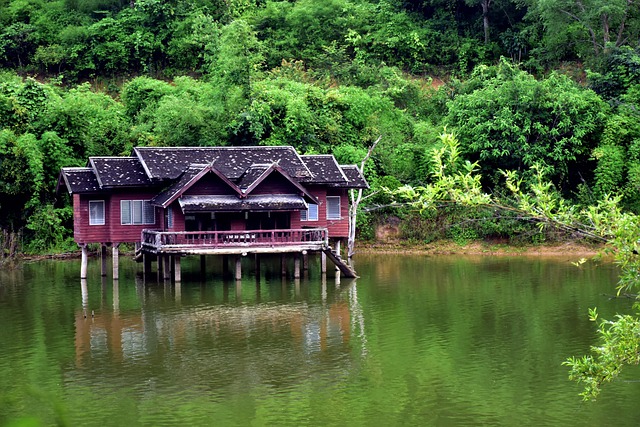
The Historical Context of Gothic Architectural Elements
Church gothic architecture emerged in 12th-century Europe as a response to Romanesque heaviness. Its pointed arches, ribbed vaults, and flying buttresses allowed cathedrals to reach unprecedented heights while admitting light through stained glass. These elements were not only structural innovations but also symbolic gestures toward divine aspiration. Over centuries, gothic motifs evolved from ecclesiastical spaces into civic and residential forms. Modern designers now reinterpret these features through proportion control and material restraint to suit domestic environments.
Characteristics of Traditional Ranch Homes
Traditional ranch homes developed in mid-20th-century America as expressions of postwar optimism and suburban expansion. Their defining traits include single-story horizontal layouts, low-pitched roofs, wide eaves, and open floor plans that connect indoor spaces with surrounding landscapes. Functionality dominates form; materials such as wood siding or brick emphasize durability over ornamentation. Yet this very simplicity often presents challenges for curb appeal—finding ways to add depth or character without disrupting the minimalist intent remains a frequent design dilemma.
Integrating Church Gothic Features into Ranch Home Exteriors?
Bringing gothic character into ranch exteriors requires careful calibration between vertical emphasis and horizontal grounding. Rather than direct imitation, adaptation through proportion and texture ensures cohesion between styles.
Architectural Adaptations for Modern Use
Verticality—a hallmark of church gothic design—can be translated through tall window groupings or gabled entryways rather than spires or towers. Rooflines may adopt subtle peaks inspired by cathedral silhouettes while remaining structurally compatible with low-slung ranch forms. Materially, stone veneers or wrought iron detailing introduce gothic richness without overwhelming the façade’s simplicity. Designers often use restrained tracery patterns on doors or light fixtures to evoke heritage while preserving modern clarity.
Structural Considerations in Hybrid Designs
Combining two distinct structural languages demands precision engineering. Gothic arches redistribute weight differently from standard rectangular frames used in ranch construction; thus load-bearing walls must be recalculated to maintain stability. Vaulted ceilings inspired by ribbed vaults require reinforced trusses or laminated beams to achieve both height and safety. Modern materials like steel allow these adaptations without excessive mass or cost, bridging historical aesthetics with contemporary performance standards recognized by bodies such as ISO for building safety compliance.
Materiality and Texture: Bridging Two Architectural Languages?
Material selection defines how successfully gothic intricacy merges with ranch straightforwardness. Texture becomes the mediator between ornamented tradition and functional modernity.
Selecting Materials that Reflect Both Styles
A balanced palette might pair natural cedar siding with limestone or brick accents reminiscent of old cathedrals. Stained glass panels can appear in transom windows or entry sidelights, adding color play without visual clutter. Wrought iron railings on porches subtly reference medieval craftsmanship while maintaining outdoor openness typical of ranch living. Each material choice should reinforce tactile harmony—rough stone beside smooth wood invites both contrast and connection.
Color Palettes for Unified Visual Impact
Color unifies disparate elements into a coherent exterior narrative. Earth tones typical of ranch homes—sandy beige, muted brown—can be deepened by gothic-inspired hues like slate gray or burgundy trim around windows and doors. Contrast highlights architectural details: lighter walls against darker rooflines accentuate vertical rhythm introduced by pointed arches or columns. Landscaping colors should echo this palette so that building and terrain read as one composition under natural light.
Landscaping and Exterior Detailing to Enhance Gothic-Ranch Fusion?
Landscape design completes the architectural story by extending stylistic cues beyond the structure itself. It grounds the house visually while amplifying its sculptural presence.
Landscape Design Supporting Architectural Expression
Pathways arranged in geometric symmetry recall cathedral cloisters yet remain functional for suburban use. Low hedges can frame sightlines toward arched entrances, guiding visitors naturally to focal points. Sculptural plantings—such as columnar trees—reinforce vertical gestures borrowed from church gothic silhouettes. At night, strategically placed lighting reveals texture: uplights grazing stone walls create shadow patterns reminiscent of candlelit chapels.
Entryways and Outdoor Spaces as Transitional Zones
Entryways serve as symbolic thresholds between public exterior and private interior realms. Using scaled-down pointed arches around door frames introduces subtle drama without grandeur excess. Outdoor living areas—patios or pergolas—can borrow from cloister courtyards where intimacy meets openness; wrought iron trellises support climbing vines that soften hard edges while echoing historic motifs.
Modern Curb Appeal Through Historical Inspiration?
Blending eras effectively depends on technology as much as artistry. Digital modeling tools now allow architects to test proportions before construction begins, ensuring visual balance between old-world detailing and modern efficiency.
Reinterpreting Tradition for Contemporary Audiences
Today’s homeowners value sustainability alongside style. Reclaimed stone or recycled metalwork replicates historical texture responsibly, aligning with environmental standards promoted by organizations like IEA for resource-efficient housing solutions. Energy-efficient façades can integrate decorative tracery panels made from lightweight composites instead of carved stone—maintaining authenticity while improving insulation performance.
The Role of Context in Design Decisions
Every hybrid project must respond to its surroundings. In neighborhoods dominated by mid-century designs, introducing strong gothic elements demands restraint; subtle references often achieve better harmony than literal replication. Regional materials also influence perception—a sandstone arch feels natural in desert climates but foreign in coastal zones. Successful integration respects both innovation and local building traditions shaped by climate and culture.
Future Directions in Residential Architecture Inspired by Church Gothic Forms?
The dialogue between sacred architecture and domestic design continues to evolve as cultural tastes shift toward expressive individuality within functional frameworks.
Emerging Trends in Hybrid Aesthetics
Architects increasingly explore sacred motifs within everyday spaces—not merely decorative but experiential interventions that evoke emotion through light and proportion. Adaptive reuse projects converting old churches into residences have accelerated appreciation for this aesthetic blend; their influence extends into new builds seeking similar spiritual resonance without literal replication.
Potential Impacts on Property Value and Cultural Perception
Distinctive hybrids often attract buyers seeking originality beyond conventional suburban templates. As real estate markets reward craftsmanship and narrative identity, homes combining church gothic refinement with ranch practicality may command premium valuations over time. Beyond economics lies cultural redefinition: these designs challenge uniformity by celebrating history’s artistry within today’s comfort-driven lifestyles.
FAQ
Q1: What makes church gothic architecture compatible with ranch-style homes?
A: Both styles emphasize honest structure; when balanced carefully through scale and material choice, their contrast creates visual richness rather than conflict.
Q2: How can homeowners introduce gothic touches without major renovation?
A: Simple additions like arched window trims, wrought iron lanterns, or textured stone planters evoke gothic character affordably.
Q3: Are there structural risks when adding vaulted ceilings to ranch houses?
A: Only if load paths are ignored; proper reinforcement using engineered beams maintains safety under current building codes such as those outlined by ISO 22111 standards.
Q4: Does blending styles affect energy efficiency?
A: Not necessarily; modern materials allow decorative complexity while meeting energy targets set by international efficiency guidelines like IEA frameworks.
Q5: Can landscaping alone convey a gothic-ranch aesthetic?
A: Yes; symmetrical pathways, sculptural plants, and moody lighting can establish atmosphere even when architectural modifications are minimal.