

Are Ranch Home House Plans the Key to Timeless Curb Appeal Design
15 Ranch-Style Homes With Curb Appeal Ideas to Steal
Ranch home house plans have long been admired for their simplicity, balance, and connection to the landscape. These homes, typically single-story with open layouts and low-slung profiles, embody a casual sophistication that continues to inspire modern design. Their curb appeal lies not only in proportion and material honesty but also in how they blend architecture with nature. This article explores the architectural DNA of ranch-style homes, revealing how thoughtful layout, material selection, rooflines, and landscaping combine to create enduring beauty.
Understanding the Architectural Essence of Ranch Home House Plans
The essence of a ranch home lies in its seamless relationship between structure and site. Before diving into design strategies for curb appeal, it’s essential to grasp what defines this iconic American form—its origins, its architectural logic, and why it remains timeless.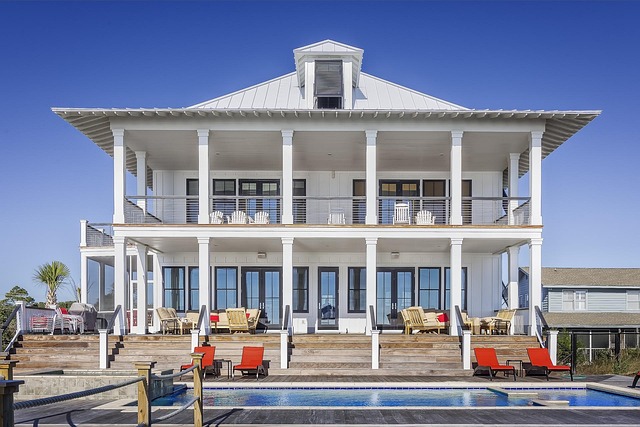
Defining the Ranch-Style Architectural Concept
The ranch-style home emerged in the early 20th century, influenced by Spanish colonial architecture and later popularized in postwar America. Characterized by single-story living, open interior spaces, and broad façades, these homes reflected a shift toward informal lifestyles. The low-pitched roofs and wide eaves helped anchor them visually to the ground while providing shade in warmer climates. Functionality guided every decision: open floor plans encouraged family interaction; large windows connected interiors with gardens; attached garages acknowledged suburban mobility. Over time, these features became hallmarks of comfort and practicality that still resonate today.
Core Elements That Shape Timeless Curb Appeal
Curb appeal in ranch homes depends on proportion more than ornamentation. Horizontal lines stretch across façades to emphasize visual calmness and stability. Materials such as brick, stone, and wood bring warmth while aging gracefully under natural light. Many architects note that restraint—avoiding excess detail—gives these homes a quiet dignity that endures beyond trends. When exterior elements align proportionally with rooflines and window groupings, the result feels balanced from every angle.
The Role of Layout and Proportion in Ranch Home Appeal
A ranch home’s charm often begins with its plan rather than its decoration. The spatial organization determines how the structure interacts with light, views, and approach paths—all crucial factors in curb presence.
Spatial Flow and Exterior Symmetry
Open interior layouts directly influence exterior composition. For instance, when living spaces align along one façade with evenly spaced windows, they create rhythm visible from the street. Rooflines should echo this order: a consistent pitch or subtle variation maintains harmony without monotony. Balanced window placement avoids visual heaviness on one side of the elevation—a common pitfall when additions are made without regard for proportion.
Site Orientation and Landscape Integration
Positioning plays an equally vital role. A well-oriented ranch home captures morning light through east-facing windows while shielding interiors from harsh afternoon sun using extended eaves or pergolas. Integrating architecture with natural topography—whether through terraced gardens or gentle grading—creates a sense of belonging to the land. Hardscaping elements like stone walkways or low retaining walls can guide visitors naturally toward entry points while softening transitions between built form and landscape.
Materiality and Texture as Design Anchors
Material choice defines character more than color ever could. In ranch design, texture tells a story of authenticity—how surfaces catch sunlight or weather over decades becomes part of their charm.
Selecting Materials That Age Gracefully
Durability is key when selecting finishes for ranch exteriors. Brick resists fading; cedar siding gains patina; stone withstands seasonal shifts without losing integrity. Combining smooth stucco against rough-hewn timber beams adds tactile contrast while preserving simplicity. Modern interpretations often introduce metal roofing or fiber cement panels for longevity yet retain traditional proportions that root the design in its heritage.
Color Palettes That Reinforce Timelessness
Color choices should complement natural surroundings rather than compete with them. Neutral tones—taupe, sand, soft gray—allow materials to speak for themselves. Subtle accents on shutters or trim can highlight architectural rhythm without overpowering it. Coordinating roof shingles with siding hues ensures continuity across elevations. Seasonal adaptability matters too: warm undertones feel inviting under winter light; cooler shades refresh summer façades.
Rooflines, Porches, and Entrances: Visual Focal Points of Ranch Homes
Every visitor’s first impression forms at eye level—the roofline silhouette and entry composition set expectations for what lies within.
Roof Design as an Architectural Signature
Gable roofs remain classic choices for ranch homes due to their simplicity and efficient drainage. Hip roofs provide a softer edge suited for windy regions while maintaining visual compactness. Extended eaves not only protect façades but also cast shadows that add depth throughout the day. Incorporating solar panels discreetly along south-facing slopes aligns sustainability goals with aesthetics when planned during design rather than retrofitted later.
Crafting Inviting Entryways and Transitional Spaces
Entryways act as emotional thresholds between public exterior and private interior realms. A covered porch or modest portico can reduce scale contrast between wide façades and human height perception. Proportion matters: oversized doors may dominate unless balanced by sidelights or symmetrical plantings. Lighting fixtures should complement architectural style—matte bronze sconces suit rustic stonework; minimalist fixtures pair better with smooth stucco finishes.
Landscaping Strategies That Complement Ranch Home Architecture
Landscaping completes the architectural picture by grounding structures within their environment rather than decorating them superficially.
Harmonizing Hardscape and Softscape Elements
Effective curb appeal arises when pathways direct attention subtly toward focal points like bay windows or porch columns. Using native plants reduces maintenance while reinforcing regional identity—a desert ranch might feature agave clusters; a coastal one could rely on ornamental grasses swaying in sea breezes. Layering plant heights frames façades effectively: low shrubs define edges; mid-level blooms soften walls; taller trees provide backdrop scale.
Outdoor Living Extensions as Part of Curb Appeal Design
Patios or courtyards extend living spaces outward while maintaining architectural rhythm through consistent materials such as flagstone or stained concrete matching interior flooring tones. Verandas lined with wooden posts echo horizontal rooflines beyond main walls creating continuity between inside comfort and outdoor leisure zones. Subtle lighting along pathways enhances evening visibility without breaking tranquility—a hallmark of refined curb presentation.
Modern Interpretations of Classic Ranch Home House Plans
Contemporary architects reinterpret ranch principles through technology integration and minimalist detailing yet preserve their essence: openness, horizontality, connection to nature.
Adapting Traditional Designs for Contemporary Lifestyles
Today’s homeowners favor energy-efficient glazing systems that flood interiors with daylight while reducing heat gain—an evolution consistent with original goals of openness to outdoors. Smart zoning within open plans supports flexible use where kitchens merge seamlessly into lounges overlooking patios through sliding glass walls framed in slim aluminum profiles reminiscent of mid-century aesthetics but executed with modern precision.
Balancing Authenticity with Innovation in Curb Appeal Design
Preserving authenticity means keeping proportions intact even when materials evolve from wood siding to composite cladding or recycled brick veneers. Integrating smart technologies discreetly—hidden solar arrays or app-controlled lighting—maintains visual purity while improving performance metrics demanded by current building standards such as those outlined by ISO energy-efficiency frameworks (ISO 50001). Biophilic principles further enhance indoor-outdoor continuity through natural ventilation corridors aligned along prevailing breezes rather than mechanical reliance alone.
Key Takeaways for Designing Ranch Homes With Lasting Curb Appeal
Designing a ranch home today involves balancing respect for tradition with responsiveness to context—climate patterns, neighborhood scale, lifestyle needs—all influencing final appearance.
Principles Guiding Enduring Exterior Design
Proportion remains non-negotiable: horizontal emphasis grounds structures; vertical intrusions should be minimal. Authentic materials foster trust through tactile honesty rather than imitation. Contextual responsiveness—aligning roof pitch with regional rainfall or selecting local stone—anchors each project in place. Ultimately, curb appeal arises from synthesis: architecture meeting landscape, form meeting function, and human experience shaping perception of home as timeless rather than trendy.
FAQ
Q1: What defines a ranch home house plan?
A: It typically features a single-story layout with open interiors, low-pitched roofs, and strong connections between indoor and outdoor spaces.
Q2: How can proportion improve curb appeal?
A: Balanced window placement, consistent rooflines, and symmetrical façades create visual harmony that feels naturally pleasing.
Q3: Which materials best suit ranch exteriors?
A: Brick, natural stone, and wood are traditional favorites due to their durability and ability to age attractively over time.
Q4: Are modern ranch homes energy-efficient?
A: Yes. Many incorporate solar panels, high-performance glazing, and passive shading systems to meet contemporary efficiency standards.
Q5: How does landscaping influence the overall design?
A: Thoughtful plant selection and pathway design enhance approachability while visually integrating the house with its surroundings.