
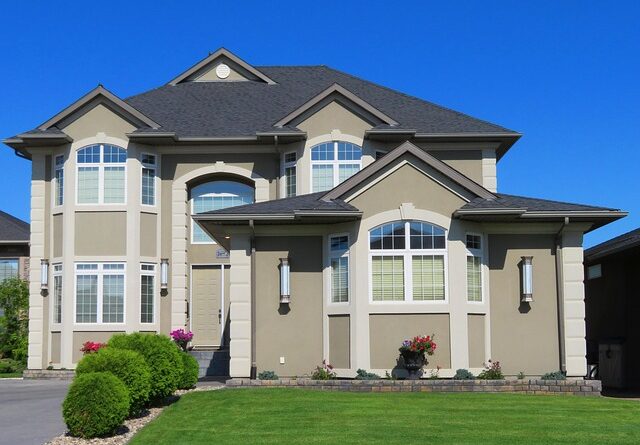
Are 2 Storey Home Plans Redefining Urban Redevelopment Ethics
Horrified Neighbours Aghast as Developers Plan to Bulldoze Bungalow and Build 2-Storey Homes Instead
Urban redevelopment often sparks emotional and ethical debates. The replacement of single-storey bungalows with modern 2 storey home plans captures a broader shift in city design philosophy—one that prioritizes density, efficiency, and sustainability over nostalgia. While such projects promise spatial optimization and higher property values, they also challenge community identity and raise moral questions about displacement and heritage. This article examines the architectural, regulatory, and ethical implications behind this transformation, offering insights into how vertical housing models are reshaping modern urban life.
The Emergence of Two-Storey Home Plans in Urban Redevelopment
The growing appeal of 2 storey home plans reflects a fundamental change in how cities respond to limited land supply. As urban populations rise, vertical expansion becomes not just an option but a necessity for maintaining livability within constrained geographies.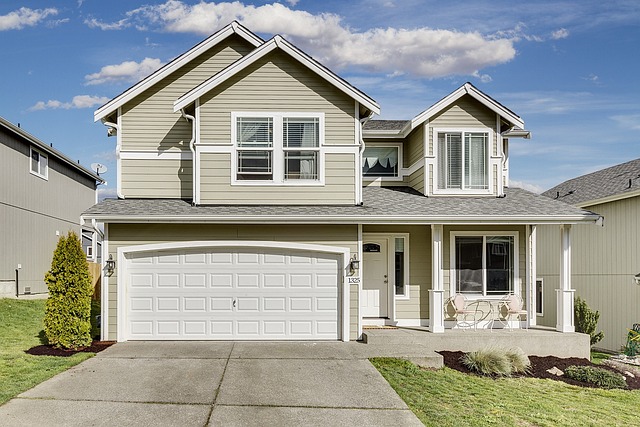
Shifts in Urban Housing Design Philosophy
Increasing land scarcity is driving architects toward vertical solutions that maximize usable space without expanding footprints. Two-storey designs create opportunities for families to enjoy larger living areas on smaller lots, offering both privacy and functionality. This approach balances the need for density with the human desire for comfort—a principle increasingly visible in compact urban districts from Sydney to Toronto. Modern architecture now emphasizes efficient use of every square meter through open-plan layouts, multi-functional rooms, and sustainable materials that reduce environmental impact while enhancing aesthetic value.
The Role of Zoning and Planning Regulations
Municipal zoning laws play a decisive role in determining where two-storey developments can thrive. Height restrictions, setback rules, and privacy codes directly influence design outcomes, sometimes forcing developers to adapt creative solutions like stepped facades or rooftop gardens. Local councils often mediate between developers seeking profitability and residents concerned about neighborhood character. Regulatory frameworks thus act as both enablers and gatekeepers—balancing innovation against social harmony.
Ethical Dimensions of Redevelopment Decisions
Redevelopment decisions are rarely neutral; they carry consequences for communities’ social fabric. When bungalows give way to multi-level homes, questions emerge about fairness, transparency, and the preservation of shared heritage.
Balancing Community Interests and Development Objectives
Urban renewal frequently triggers tension between economic growth and cultural continuity. Ethical planning demands open dialogue between stakeholders so residents can voice concerns before demolition begins. Developers who engage communities early often find smoother approvals because trust mitigates resistance. Ignoring local sentiment risks alienating long-term residents who feel displaced by rising costs or changing streetscapes.
Redefining Neighborhood Identity Through Design Ethics
Two-storey home plans can reshape not only skylines but also collective memory. Architectural continuity—such as maintaining rooflines or material palettes—helps preserve a sense of place even amid modernization. The moral challenge lies in merging progress with respect for history: designing homes that acknowledge what came before while meeting present needs. Ethical redevelopment thus becomes an act of cultural stewardship as much as construction.
Architectural Implications of Two-Storey Home Plans
The architectural consequences of going vertical reach beyond aesthetics; they affect energy use, light distribution, and even neighbor relations.
Spatial Efficiency and Environmental Considerations
Vertical expansion allows homeowners to double floor area without enlarging their land footprint—a crucial advantage where plots are small or costly. Compact building envelopes improve thermal performance by minimizing exposed surface area, thereby reducing heating and cooling demands. Sustainable materials like cross-laminated timber or recycled steel further lower carbon emissions. Passive design strategies—such as oriented windows for natural ventilation—enhance comfort while cutting energy bills.
Privacy, Light, and Shadow Dynamics in Dense Urban Contexts
Two-storey structures inevitably alter sunlight patterns across adjoining lots. Architects must consider overshadowing effects to prevent disputes over lost daylight or privacy invasion. Techniques such as angled windows, frosted glass panels, or green buffers help mitigate visual intrusion between properties. Advanced spatial modeling tools now simulate light behavior throughout the year to guide equitable design decisions that respect neighboring homes’ access to sun.
Socioeconomic Repercussions of Replacing Bungalows with Two-Storey Homes
Economic forces underpin most redevelopment projects, yet their social consequences can be profound—and sometimes divisive.
Property Value Transformation and Market Dynamics
Replacing older bungalows with new two-storey houses typically elevates neighborhood property values by introducing higher-end architecture and amenities. However, these gains often accelerate gentrification pressures that push out lower-income residents unable to keep pace with rising taxes or rents. While investors celebrate appreciation rates exceeding 10% annually in some markets, long-term locals may see their community’s affordability vanish almost overnight.
Social Cohesion and Perceptions of Change
Residents frequently perceive vertical redevelopment as intrusive or exclusionary when it disrupts familiar streetscapes or increases traffic congestion. Opposition groups often form around fears of losing community character rather than pure economic resentment. Transparent consultation processes—public hearings, design exhibitions, participatory workshops—can ease tensions by giving residents a genuine stake in shaping outcomes rather than merely reacting to them.
The Future of Ethical Urban Redevelopment with Vertical Housing Models
As cities continue densifying, ethical frameworks must evolve alongside technical standards to guide responsible growth through 2 storey home plans.
Integrating Ethics into Planning Frameworks for Vertical Growth
Urban planners increasingly advocate participatory design methods that align development goals with local values instead of imposing top-down solutions. Policy frameworks now embed social sustainability metrics such as inclusivity indices or displacement risk assessments within approval processes. Some jurisdictions are experimenting with ethical review boards that evaluate high-density proposals based on fairness criteria—not just compliance metrics—to safeguard vulnerable populations from speculative excesses.
Reconciling Innovation with Heritage Preservation in Modern Cities
Future redevelopment will depend on finding equilibrium between innovation and preservation. Adaptive reuse principles encourage blending new two-storey designs into existing historical contexts by reusing foundations or façades where feasible. Heritage-sensitive materials like reclaimed brick or weathered timber maintain continuity while signaling progress through subtle modern detailing. Long-term ethical urbanism recognizes that true progress respects memory; cities thrive when they evolve without erasing their past.
FAQ
Q1: Why are developers replacing bungalows with two-storey homes?
A: Land scarcity in urban areas makes vertical expansion more practical than horizontal sprawl; two-storey homes offer more living space without increasing land consumption.
Q2: Do two-storey redevelopments always raise property values?
A: Generally yes; newer multi-level homes tend to attract higher prices due to modern amenities and greater floor area, though this can also drive gentrification pressures.
Q3: How do zoning regulations affect two-storey developments?
A: Zoning codes dictate maximum height limits, setbacks from property lines, and privacy requirements—all crucial factors shaping final architectural forms.
Q4: What environmental benefits come from building vertically?
A: Compact structures reduce heat loss through smaller surface areas and support sustainable features like passive ventilation or solar orientation strategies.
Q5: Can communities influence redevelopment decisions?
A: Yes; participatory planning processes allow residents to provide feedback during early design stages, helping balance growth objectives with neighborhood identity preservation.