
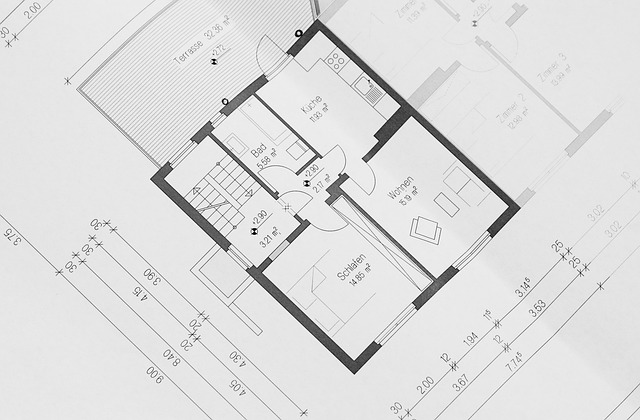
Is Your House Floor Layout Creating a Broken Floor Plan Problem
Ask the Remodeler: Does Your House Have a ‘Broken Floor Plan’?
A broken floor plan can quietly undermine how a home feels and functions. It’s not always about square footage but about how spaces connect—or fail to. When rooms feel isolated, light doesn’t travel well, or movement feels awkward, the layout itself is the problem. Many homeowners discover that their house floor layout isn’t outdated by style but by flow. The solution often lies in rethinking circulation, light paths, and visual continuity rather than starting from scratch.
Understanding the Concept of a Broken Floor Plan
The way rooms relate determines whether a home feels cohesive or fragmented. A broken floor plan disrupts this relationship through poor alignment, obstructed sightlines, or unnecessary partitions that interrupt daily use.
Defining What Constitutes a Broken Floor Plan
A broken floor plan describes an interior layout where spatial flow and connectivity are compromised. Rooms may be compartmentalized, creating disjointed transitions between living zones such as kitchen, dining, and lounge areas. Unlike open-plan concepts that encourage interaction and shared light, these layouts isolate functions and reduce flexibility. The result is often an environment that feels smaller than its actual size.
Historical Context and Evolution of Residential Layouts
Traditional homes were designed with separation in mind—formal dining rooms, closed kitchens, and private parlors reflected social norms of their time. By the mid-20th century, modern design philosophies began favoring open layouts emphasizing shared family experiences and natural light. Today’s remodeling trends seek balance: partial openness combined with acoustic control and purposeful zoning to meet diverse household needs.
Identifying Signs of a Broken Floor Plan in Existing Homes
Detecting a fragmented house floor layout requires more than noticing walls; it involves observing how people move through space. Poor transitions or blocked light sources can signal deeper architectural inefficiencies.
Spatial Disconnection Between Key Living Areas
When the kitchen sits isolated from dining or living zones, daily routines become inefficient. Misaligned doorways may cause traffic congestion during gatherings while leaving other areas unused. Visual barriers also limit natural light spread across adjacent rooms, making interiors appear darker and smaller than they are.
Inefficient Circulation and Room Hierarchies
Abrupt hallway terminations or dead-end corridors indicate circulation problems. Oversized foyers waste usable area while narrow passages restrict movement. Even inconsistent ceiling heights can fragment perception, subtly dividing spaces that should read as continuous.
Inadequate Natural Light and Ventilation Pathways
Walls blocking exterior windows reduce daylight penetration deep into the interior. Similarly, misaligned openings prevent cross-ventilation that keeps air fresh. Homes relying heavily on artificial lighting throughout the day often reveal underlying structural inefficiency rather than aesthetic choice.
Architectural and Design Factors Contributing to Fragmented Layouts
A broken plan rarely results from one mistake—it’s usually a combination of structural limitations and design misjudgments accumulated over time.
Structural Constraints in Older Homes
Older properties often feature load-bearing walls positioned according to outdated living patterns. Removing or altering these elements without structural reinforcement is complex and costly. Over decades, piecemeal additions—sunrooms, enclosed porches—can compound disconnection by interrupting original flow lines.
Functional Zoning Errors in Modern Construction
Even new builds aren’t immune to poor planning. Over-specialization of rooms reduces adaptability; for instance, separating laundry too far from bedrooms adds inconvenience. Misplaced utility zones also increase walking distances for everyday chores. Ignoring furniture placement during design further limits circulation flexibility once occupants move in.
Visual Barriers and Material Transitions
Design inconsistencies amplify fragmentation. Sudden shifts from tile to carpet between connected spaces visually divide them even when structurally open. Heavy cabinetry or tall shelving can obstruct sightlines meant to link communal areas. Likewise, abrupt changes in color palette exaggerate separation rather than unity.
Strategies for Diagnosing and Correcting a Broken Floor Plan Problem
Improving spatial cohesion begins with careful observation before demolition starts. Mapping how people actually use each room provides insight no blueprint alone can offer.
Conducting a Spatial Flow Assessment
Professionals often start by diagramming daily movement patterns to locate bottlenecks or dead zones. Reviewing adjacency relationships between high-use areas like kitchen and family room helps determine which walls hinder efficiency most. Digital tools such as 3D modeling allow simulation of visibility lines and daylight distribution prior to renovation commitments—a critical step in avoiding costly missteps.
Integrating Open Concepts Without Losing Functionality
Open layouts remain popular but must serve real-life activities rather than pure aesthetics.
Selective Wall Removal Techniques
Rather than removing every barrier, strategic elimination of non-load-bearing partitions can restore connection between key spaces while retaining necessary structure for sound control or storage placement.
Creating Visual Continuity Through Design Elements
Uniform flooring across main living zones creates seamless perception even where partial walls remain. Aligning ceiling treatments or lighting fixtures provides directional consistency guiding movement naturally through interconnected areas.
Reconfiguring Circulation Paths for Efficiency
Rearranging how people enter or exit rooms can transform usability without major reconstruction.
Adjusting Entry Points and Door Alignments
Relocating doorways improves accessibility between frequently used rooms like kitchen-dining pairs or bedroom-bathroom suites. Wider openings enhance both physical flow and visual reach across spaces once considered separate.
Introducing Transitional Spaces That Support Movement
Adding alcoves or vestibules softens transitions between functional zones—such as shifting from noisy living space into quiet study—while maintaining architectural rhythm. Built-in storage along hallways doubles as utility enhancement without cluttering circulation routes.
Balancing Openness with Privacy in Modern Remodeling Approaches
Total openness isn’t ideal for every lifestyle; acoustic comfort and privacy still matter deeply in multi-user households.
Reintroducing Defined Zones Through Flexible Design Solutions
Sliding glass panels or movable shelving allow flexible separation adaptable to different times of day or activity types. Acoustic panels integrated into ceilings maintain conversational privacy without closing off entire sections—a practical compromise between openness and quietude.
Considering Lifestyle Patterns in Layout Optimization
Each household’s rhythm dictates suitable openness levels. Families with young children may prefer visual supervision across play areas; multi-generational homes might value semi-open configurations offering both connection and retreat options depending on use patterns throughout the day.
The Role of Professional Remodeling Insight in Floor Plan Optimization
Expert collaboration determines whether reconfiguration succeeds structurally as well as aesthetically.
Collaborative Assessment Between Architects and Interior Designers
Architects evaluate load paths while designers focus on human experience within those constraints. Their combined perspective ensures any change preserves both safety standards (as defined by codes such as ISO 9836 for building performance) and visual harmony aligned with homeowner expectations.
Leveraging Technology for Data-Informed Design Decisions
Advanced scanning technologies like LiDAR capture existing geometry precisely before construction begins, reducing guesswork during redesign stages. Building Information Modeling (BIM) systems simulate post-renovation conditions—light behavior, acoustics, movement—to predict real-world outcomes accurately before physical work starts.
FAQ
Q1: What causes most broken floor plans?
A: They usually stem from mismatched additions over time or original designs that didn’t anticipate modern living habits such as open cooking-dining integration.
Q2: Can small houses suffer from broken layouts too?
A: Yes; even compact homes can feel cramped if circulation paths are blocked or if daylight doesn’t reach central spaces effectively.
Q3: How do professionals test spatial flow before remodeling?
A: They map user movements through diagrams or digital simulations showing where congestion occurs during typical routines like meal prep or entertaining guests.
Q4: Is removing walls always necessary to fix a broken layout?
A: Not always; sometimes consistent materials, adjusted lighting schemes, or better doorway alignment achieve similar results without major demolition costs.
Q5: Which technology helps most when redesigning old homes?
A: BIM modeling combined with laser scanning provides accurate data on existing structures so architects can plan efficient updates without compromising integrity of older frameworks.