
Are Modern House Plans Redefining Closed Floor Concepts for Experts
12 Closed Floor House Plans That Prove Defined Spaces Are Back
The architectural pendulum has swung once again. After years of open layouts dominating modern house plans, closed floor concepts are making a strong return. Designers now favor defined rooms for their acoustic control, energy efficiency, and psychological comfort. This shift reflects a mature balance between openness and privacy—one that aligns with contemporary lifestyles shaped by remote work and family-centered living.
The Resurgence of Closed Floor Concepts in Modern Architecture
The renewed interest in enclosed layouts marks a significant cultural and functional evolution in residential design. Architects are rethinking how boundaries influence comfort, productivity, and social interaction within homes.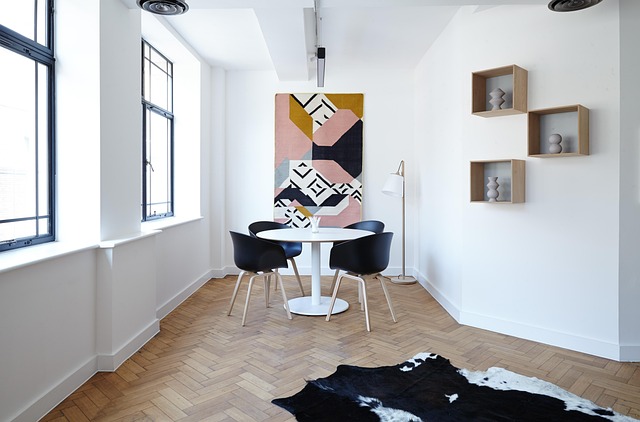
The Shift from Open to Defined Spaces
In the mid-20th century, open floor plans became synonymous with modern living. They symbolized freedom and social connection, eliminating walls between kitchens, dining areas, and living rooms. However, lifestyle changes—especially the rise of home offices and virtual schooling—have revealed the limitations of such openness. Families now seek spatial separation to support simultaneous activities without interference. This transition reflects not nostalgia but practicality rooted in acoustics, zoning, and mental well-being.
Lifestyle Changes and Design Trends
As domestic routines grew more complex, the need for adaptable yet private zones intensified. Interior designers began using partitions, sliding panels, or even furniture arrangements to delineate functions within shared volumes. The pandemic accelerated this movement as homeowners realized that flexibility does not always mean openness. Instead, it means having spaces that can transform purposefully while preserving order.
Renewed Appreciation for Privacy and Function
Closed floor plans address what open designs often neglect: sound isolation and personal retreat. Defined rooms allow controlled temperature zones, better lighting calibration, and reduced visual clutter—all contributing to a calmer environment. The result is a more human-centered approach to architecture where form follows emotional function.
Architectural Principles Driving the Return of Closed Floor Plans
This return is not about reverting to old-fashioned compartmentalization but about refining spatial logic through hierarchy and connectivity.
Spatial Hierarchy Enhances Usability
Architects now emphasize how each room’s purpose dictates its enclosure level. Public areas like foyers or dining rooms may remain semi-open, while studies or bedrooms gain full separation. Such hierarchy reinforces intuitive circulation patterns and supports daily rhythms without sacrificing aesthetic unity.
Circulation Patterns and Visual Boundaries
Modern house plans increasingly use framed openings or offset corridors to guide movement naturally between zones. These design gestures maintain flow while signaling transitions through light or texture rather than physical barriers alone.
Flexibility Without Losing Definition
Contemporary closed layouts integrate movable partitions or glazed walls that preserve light transmission while offering privacy on demand. This strategy blends flexibility with structure—a nuanced response to evolving household needs.
Integrating Closed Concepts into Modern House Plans
To merge traditional enclosure with modern cohesion, architects rely on visual continuity techniques that make separated spaces feel connected.
Design Strategies for Maintaining Cohesion
Consistency in materials—such as continuous flooring or unified color palettes—creates harmony across distinct rooms. Lighting design also plays a vital role; layered illumination ensures mood continuity even as spatial functions differ.
Transitional Elements for Flow
Framed openings or partial-height walls help bridge divisions without diluting definition. These transitional devices keep sightlines open enough for social connection while maintaining acoustic boundaries where needed.
Balancing Enclosure with Openness
Strategic glazing introduces daylight deep into interior rooms while preserving privacy. Controlled transparency through frosted glass or clerestory windows achieves both intimacy and brightness.
How Technology Influences Closed Layout Design
Technology has transformed how enclosed spaces perform environmentally and experientially.
Smart Ventilation Systems
Advanced HVAC zoning allows independent climate control per room type, solving one of the main drawbacks of traditional closed layouts—stale air circulation.
Automated Lighting Adaptation
Room-specific lighting automation responds to occupancy patterns or time of day, enhancing comfort while conserving energy across segmented interiors.
Acoustic Insulation Advances
High-performance insulation materials now enable quieter environments without adding bulk to partitions. This innovation supports focused workspaces within family homes—a growing demand among professionals working remotely.
The Role of Barndominium House Plans in Redefining Space Division
Barndominiums exemplify how large-span structures can adopt closed frameworks without losing their signature openness.
Adapting Barndominium Structures to Closed Frameworks
Steel-frame construction offers unparalleled flexibility for modular partitioning. Designers can carve out bedrooms or offices within expansive shells while retaining structural efficiency typical of barndominium house plans.
Hybrid Models Merging Open Living with Private Wings
Many new barndominium house plans feature open communal cores flanked by enclosed suites or utility zones—an arrangement balancing sociability with seclusion.
Partitioning Large-Span Interiors
When dividing vast interiors, acoustics become critical. Lightweight insulated panels allow defined zones without overloading the frame or diminishing spatial grandeur.
Materiality and Aesthetic Integration in Barndominiums
Material selection defines how enclosure feels rather than just functions.
Industrial Finishes Preserving Openness
Exposed steel beams paired with matte plaster walls maintain an industrial character even when subdivided into smaller rooms—a hallmark of contemporary barndominiums blending rustic charm with polish.
Glass Partitions Creating Adaptable Enclosures
Sliding glass systems introduce dynamic flexibility; they can close off noise yet keep visual contact intact—a subtle nod to open-plan sensibilities within closed frameworks.
Balancing Rustic Character and Contemporary Refinement
Wood cladding softens metal structures while neutral palettes tie together diverse finishes. This interplay keeps spaces tactile yet sophisticated—key traits in high-end rural-modern architecture.
Functional Benefits of Defined Spaces in Contemporary Living
Beyond aesthetics, enclosed layouts deliver measurable performance advantages across energy use and occupant well-being.
Enhancing Energy Efficiency Through Spatial Control
Zoned heating and cooling reduce unnecessary load by conditioning only occupied areas. Smaller volumes retain warmth longer, improving seasonal energy metrics reported by IEA studies on residential efficiency trends.
Passive Thermal Management Strategies
Enclosed rooms minimize cross-drafts and enable targeted natural ventilation via operable windows positioned strategically along façades—an approach consistent with ISO thermal comfort guidelines (ISO 7730).
Material Influence on Temperature Regulation
Dense wall assemblies using stone or engineered wood stabilize indoor climates by moderating heat gain during peak hours—a practical technique visible in many sustainable modern house plans today.
Privacy, Acoustics, and Psychological Comfort in Segmented Designs
Research consistently links controlled environments with cognitive ease and reduced stress levels at home.
Noise Reduction Between Functional Areas
Closed configurations naturally buffer sound transmission between active zones like kitchens and quiet ones such as studies—a crucial factor for multi-generational households sharing space intensively.
Support for Focused Activities
Dedicated rooms allow concentration-intensive tasks without distraction; this separation fosters productivity comparable to professional office settings but within domestic boundaries.
Comfort Derived from Spatial Boundaries
Environmental psychologists note that defined personal territories enhance emotional security—a subtle yet powerful reason behind renewed preference for enclosed living arrangements.
Design Innovations Supporting the Modern Closed Floor Plan Movement
Innovation keeps these traditional principles relevant amid evolving construction methods and sustainability goals.
Modular Architecture and Adaptive Partitioning Systems
Prefabricated wall modules enable quick reconfiguration when family needs change—ideal for long-term adaptability without major renovation costs common in fixed layouts.
Prefabrication Enhancing Precision
Factory-built components improve alignment accuracy across multiple enclosures while reducing material waste during assembly—a growing trend supported by data from global modular housing reports (Bloomberg 2023).
Integration of Flexible Systems for Future Adaptability
Movable partitions combined with smart infrastructure wiring future-proof homes against lifestyle shifts such as aging-in-place requirements or remote work expansion trends forecasted by IEA housing analytics (2022).
Sustainability Considerations in Enclosed Layouts
Environmental responsibility now shapes every stage of design decision-making within closed plan strategies.
Sustainable Materials Enhancing Indoor Air Quality
Low-VOC paints and natural fiber insulation improve air purity inside smaller compartments—a health-focused evolution aligned with WHO indoor environment standards (2021).
Efficient Lighting Design Compensating Reduced Daylight Paths
LED task lighting calibrated per room function offsets limited daylight penetration typical of enclosed geometries while maintaining low power consumption benchmarks set by IEC 60598 standards for luminaire efficiency.
Lifecycle Analysis Guiding Partition Choices
Architects increasingly evaluate partition systems through lifecycle carbon assessments to verify environmental impact over decades rather than short-term cost savings alone—a practice gaining traction across certified modern house plans globally.
Interpreting Market Trends Among Experts in Residential Design
Market data confirms that client expectations are reshaping architectural priorities faster than before—and privacy leads this transformation curve.
Client Preferences Shaping Demand
Post-pandemic surveys show rising demand for multifunctional private spaces suitable for hybrid work setups alongside family interaction zones separated acoustically yet visually linked.
Shift Toward Family-Centric Layouts
Younger families prefer distinct playrooms or study nooks adjacent to communal areas instead of fully merged great rooms; this balance accommodates both supervision needs and autonomy.
Influence of Demographic Factors
Urban professionals prioritize compact enclosed units maximizing acoustic isolation whereas suburban buyers lean toward larger defined wings combining leisure amenities with quiet retreats.
Professional Insights on Future Directions in Modern House Planning
Predictive modeling tools now simulate behavioral flow within homes before construction begins—helping architects fine-tune enclosure ratios based on user data rather than intuition alone.
Collaborative workflows among architects, engineers, and interior designers produce cohesive outcomes where structure complements experience seamlessly.
As cultural attitudes toward solitude evolve further, the definition of “modern” will likely expand beyond aesthetics into emotional ergonomics—the art of designing privacy itself.
FAQ
Q1: Why are closed floor plans becoming popular again?
A: They provide better noise control, energy efficiency, and personal comfort suited to multi-use living environments shaped by remote work culture.
Q2: How do barndominium house plans fit into this trend?
A: Their flexible steel frames allow modular division without losing openness, merging industrial scale with intimate functionality.
Q3: Are closed layouts less sustainable than open ones?
A: Not necessarily; zoned climate systems often reduce total energy use compared to conditioning large continuous spaces.
Q4: What materials best support enclosed designs?
A: Dense composites like engineered wood or insulated panels offer both acoustic dampening and thermal stability ideal for defined spaces.
Q5: Can technology make closed homes feel more connected?
A: Yes—smart lighting controls, ventilation sensors, and transparent partitions maintain cohesion even when physical walls separate functions.