
Are Tiny House Plans Redefining Sustainable Living for 2026 Experts
24 Tiny House Plans for 2026 That Prove Bigger Isn’t Always Better
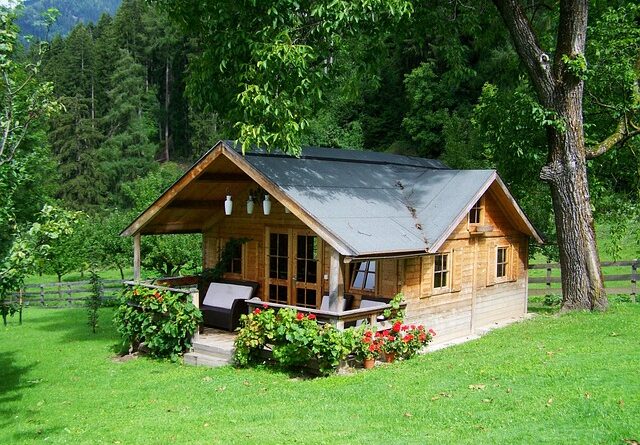
Tiny house plans are no longer niche experiments; they’re now central to the future of sustainable architecture. By 2026, architects and developers are embracing compact design as a serious response to climate change, urban crowding, and economic volatility. The most successful designs combine renewable energy systems, modular construction, and advanced materials science to create homes that are efficient, resilient, and surprisingly luxurious. This shift isn’t about downsizing—it’s about rethinking what living well means in a resource-conscious world.
The Rise of Tiny House Plans in 2026
The global movement toward smaller living spaces reflects a fundamental change in architectural values. As sustainability becomes a defining metric for good design, compact housing models demonstrate how efficiency can coexist with comfort and aesthetics.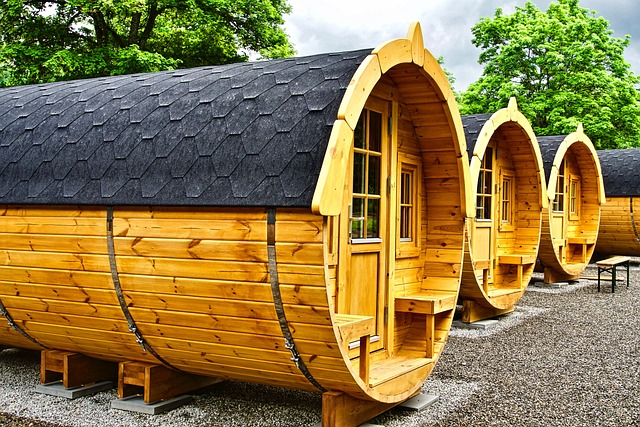
Shifting Perspectives on Sustainable Architecture
Growing environmental awareness is reshaping how buildings are conceived. Architects now prioritize reducing embodied carbon through material selection and construction methods. Energy efficiency is no longer optional; it’s integral to every stage of design. Modular structures allow flexibility while minimizing waste, turning compact living into an architectural statement rather than a compromise.
The Economic and Social Drivers Behind Tiny Living
Rising property prices in cities from London to Tokyo have made traditional housing unattainable for many. Tiny homes offer financial freedom without sacrificing quality of life. Minimalist lifestyles align with sustainability goals by reducing consumption and promoting mindful use of resources. Technology—from solar batteries to water recycling systems—supports independence and affordability, especially in off-grid models.
Core Principles of Modern Tiny House Design
Modern tiny house plans rely on precision engineering and creative spatial logic. Every inch counts, yet the best designs feel open rather than confined.
Space Optimization Techniques for Compact Homes
Designers employ multifunctional furniture such as foldaway beds or convertible dining tables to make small spaces adaptable throughout the day. Vertical storage solutions utilize unused wall height, while sliding partitions maintain fluidity between zones for living, working, and rest.
Integration of Renewable Energy Systems
Solar panels now come integrated into roofing materials, offering both aesthetic harmony and energy savings. High-performance insulation reduces heating needs even in colder climates. Off-grid setups using battery storage or micro wind turbines allow occupants to live independently from traditional grids while smart systems track consumption minute by minute.
Sustainable Materials and Construction Innovations
Sustainability extends beyond energy use—it begins with what a home is made from. By 2026, eco-friendly materials dominate new builds across the tiny home sector.
Eco-Friendly Building Materials for 2026 Designs
Recycled steel frames provide strength without heavy carbon costs. Bamboo flooring offers durability with rapid renewability, while reclaimed wood brings warmth and texture with minimal environmental impact. Low-VOC finishes protect indoor air quality—critical when interior volume is limited—and prefabricated panels reduce waste during assembly.
Modular Construction and Its Environmental Advantages
Prefabrication speeds up build times while maintaining precision that reduces on-site errors and resource loss. Modular systems also allow easy expansion or relocation: a homeowner can add another module as family needs evolve. Because much of the work occurs off-site, soil disruption at installation sites remains minimal—an advantage for preserving local ecosystems.
Exploring 24 Tiny House Plans That Define 2026 Trends
The diversity among contemporary tiny homes proves that small-scale architecture can serve multiple lifestyles—from city professionals to remote adventurers.
Minimalist Urban Units
Urban units focus on vertical efficiency within dense neighborhoods. Smart cabinetry conceals appliances when not in use, maintaining visual calm even in under-300-square-foot layouts. These micro-apartments often integrate shared amenities like rooftop gardens or co-working lounges to expand perceived space beyond individual walls.
Off-Grid Rural Retreats
Rural designs emphasize autonomy through solar arrays, rainwater harvesting systems, and composting toilets. Natural ventilation strategies replace mechanical cooling where possible, supported by passive heating through strategic glazing orientation—a nod to vernacular wisdom adapted for modern sustainability standards.
Mobile Micro-Homes on Wheels
Mobility defines this subcategory: lightweight composite panels reduce towing load without compromising insulation or strength. Interiors mirror fixed homes with full kitchens and smart climate control but remain road-legal under most transport regulations—ideal for nomadic professionals or seasonal relocations.
Luxury Compact Residences
High-end finishes meet green technology here: think marble alternatives made from recycled glass or green roofs that double as thermal regulators. Luxury tiny houses often integrate automation systems controlling lighting and temperature via smartphone apps while maintaining net-zero energy performance metrics.
Energy Efficiency and Technological Integration in Tiny Houses
Technology underpins much of the innovation driving the tiny house movement forward into 2026.
Smart Home Systems Enhancing Sustainability Goals
AI-driven thermostats learn occupant behavior patterns to optimize heating and cooling cycles automatically. IoT sensors monitor power draw from each appliance in real time, helping residents adjust usage habits instantly—a practical step toward achieving net-zero living benchmarks recognized by ISO energy management standards (ISO 50001).
Water Conservation Technologies in Modern Designs
Greywater recycling treats sink or shower runoff for reuse in irrigation or flushing systems, cutting total water demand dramatically. Rainwater collection tanks integrated beneath flooring panels support off-grid resilience during dry seasons while maintaining compactness critical to small footprints.
The Broader Impact of Tiny House Plans on Urban Development Policies
As adoption grows globally, cities are rethinking zoning laws that once favored large single-family lots over flexible micro-housing formats.
How Urban Planners Are Adapting to the Tiny Home Movement
Municipalities increasingly permit accessory dwelling units (ADUs) within existing plots to address housing shortages efficiently. Policy frameworks now recognize movable dwellings as legitimate residences if they meet safety codes equivalent to permanent structures—a shift encouraging private-sector innovation through public-private partnerships focused on sustainable density strategies.
Economic Implications for Real Estate Markets in 2026
Smaller footprints influence land valuation models by decoupling property worth from square footage alone. Developers view micro-living projects as viable investments due to lower entry costs paired with strong rental demand among younger demographics prioritizing affordability over excess space—mirroring broader shifts seen across global real estate indices reported by Bloomberg data services.
Future Outlook: Redefining Sustainable Living Through Compact Innovation
The evolution of tiny house design continues beyond current trends toward deeper integration between technology, ecology, and human well-being.
Anticipated Design Trends Beyond 2026
Biophilic principles will likely shape next-generation interiors through natural light optimization and plant-integrated architecture that improves air quality naturally. Circular construction practices—where components are designed for reuse at end-of-life—will further close material loops within supply chains aligned with IEA sustainability frameworks.
The Role of Experts in Shaping Next‑Generation Housing Paradigms
Architects explore adaptive reuse strategies turning shipping containers or disused infrastructure into livable spaces; engineers refine off-grid technologies achieving near-complete self-sufficiency; sustainability consultants guide compliance with evolving international green building standards such as LEED v5 or BREEAM Future Ready benchmarks—all contributing toward redefining what sustainable luxury means at micro scale.
FAQ
Q1: Why are tiny house plans gaining popularity in 2026?
A: Rising urban costs, environmental pressures, and advances in modular technology make compact homes practical solutions balancing comfort with sustainability goals.
Q2: What materials dominate modern tiny home construction?
A: Recycled steel, bamboo composites, reclaimed timber, and low-emission finishes lead current material choices due to their durability and low carbon impact.
Q3: How do renewable systems improve efficiency?
A: Integrated solar panels combined with smart energy management reduce grid dependence while maintaining consistent power availability year-round.
Q4: Are mobile micro-homes suitable for long-term residence?
A: Yes; regulatory updates now classify certified mobile units as permanent dwellings if they meet structural safety standards similar to fixed foundations.
Q5: How does this trend influence urban development policy?
A: Cities adopt flexible zoning allowing smaller residential plots or movable dwellings within existing districts—encouraging density without expanding sprawl boundaries.