
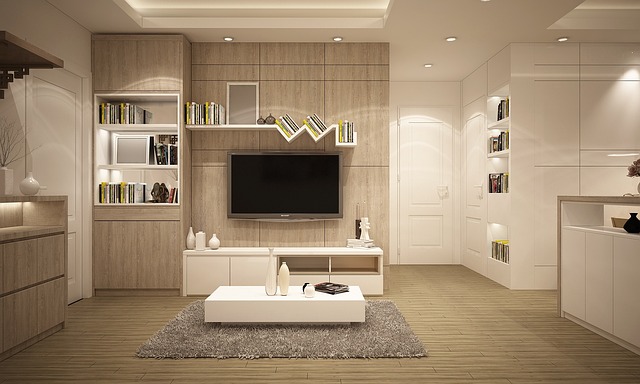
Are Modern Home Plans Redefining the Way Designers Approach Open Spaces
Designers Say the Modern Floor Plan Is Changing — Here’s How
Modern home plans are moving toward flexibility, light, and human-centered design. The era of rigid compartmentalization is fading fast as open layouts, smart technology, and sustainability reshape how architects think about living spaces. Designers now see homes as adaptive ecosystems that respond to lifestyle shifts—from remote work to environmental awareness—rather than static structures. The farmhouse house plans trend also reflects this evolution, blending rural warmth with contemporary openness. What was once a stylistic choice has become a structural philosophy: space today must perform more than one function and tell more than one story.
The Evolution of Modern Home Plans
As architecture adapts to social and technological change, modern home plans have become laboratories of experimentation. Architects now prioritize transparency, connection, and adaptability over ornamental design.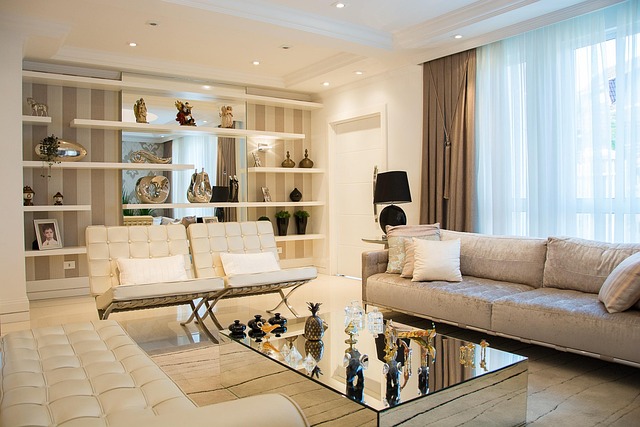
Shifting Design Philosophies in Residential Architecture
Modern home plans emphasize fluidity, light, and multifunctional spaces. The shift from closed rooms to open zones mirrors how families live—less formal, more connected. Natural light now acts as an architectural material itself, shaping mood and rhythm inside the home. Sustainability also dictates form: passive cooling systems and recycled materials influence spatial layout as much as aesthetics.
The Influence of Cultural and Lifestyle Trends on Floor Plan Development
Remote work culture has redefined spatial priorities within homes. Living rooms double as offices; kitchens evolve into social hubs. Minimalism drives this direction—not just visually but functionally—removing what’s unnecessary to make room for what matters. Social interaction zones merge with private living areas, reflecting a cultural preference for inclusivity rather than isolation.
Redefining Open Spaces in Contemporary Design
The open concept isn’t new, but its interpretation is changing fast. Designers are learning that openness without control can create noise, distraction, or inefficiency. The new approach favors balance between freedom and focus.
From Open Concept to Flexible Zoning
Designers are balancing openness with acoustic and visual privacy by introducing movable partitions or sliding panels that allow spaces to expand or contract depending on use. Multi-use furniture supports this flexibility—a dining table can serve as a workspace or craft station. Adaptability has become a defining metric for modern home planning because lifestyles evolve faster than buildings do.
Integrating Natural Light and Flow in Open Layouts
Strategic window placement enhances continuity between indoor and outdoor areas while maintaining thermal comfort. Skylights and glass walls bring daylight deep into interiors without glare or heat gain. Courtyards act as lungs of the house—spaces where air circulates freely and nature enters quietly. This visual connection to greenery reinforces wellness-centered design principles supported by numerous architectural studies emphasizing mental health benefits tied to daylight exposure.
The Role of Technology in Modern Floor Plan Innovation
Technology no longer sits on top of architecture—it’s embedded within it. Digital tools shape how designers plan space long before construction begins.
Digital Tools Transforming Design Processes
Building Information Modeling (BIM) allows precise analysis of spatial efficiency and energy flow across rooms. Virtual reality lets clients walk through their future homes before the first brick is laid, reducing costly revisions later. Parametric design tools further expand creative boundaries by generating unconventional spatial forms based on real-time data inputs such as light angles or airflow simulations.
Smart Home Integration and Its Impact on Spatial Planning
Smart infrastructure demands discreet accommodation within minimalistic layouts—sensor networks hidden behind clean lines yet fully functional. Automation systems influence circulation patterns: lighting responds to movement; HVAC zones adjust dynamically to occupancy levels. Energy efficiency considerations now shape open-plan configurations where airflow modeling determines wall placement more than style preferences.
Farmhouse House Plans in the Context of Modern Design Trends
The farmhouse aesthetic has returned not out of nostalgia but necessity—it offers warmth within modern efficiency standards.
Blending Tradition with Contemporary Functionality
Farmhouse house plans increasingly feature open-concept interiors while retaining rustic textures like reclaimed wood or stone accents paired with sleek finishes such as polished concrete or steel fixtures. This blend creates emotional comfort while meeting performance demands like insulation efficiency or modular adaptability. Designers reinterpret farmhouse vernacular through sustainable building practices that respect both heritage and innovation.
Spatial Hierarchies in Modern Farmhouse Layouts
Central living areas act as multifunctional hubs where cooking, conversation, and relaxation coexist seamlessly. Transitional zones such as mudrooms or screened porches maintain organization between indoor activity and outdoor exposure without breaking spatial flow. The dialogue between communal openness and private retreat defines livability in the modern farmhouse model—functional yet deeply personal.
Sustainability as a Driving Force Behind Open Space Planning
Environmental responsibility is no longer optional; it’s embedded in every design choice from orientation to material sourcing.
Energy Efficiency Through Spatial Optimization
Open layouts enable passive ventilation strategies by allowing cross-breezes to move unimpeded across interiors. Fewer partitions mean fewer heat traps; when designed correctly, this improves thermal performance significantly according to IEA research on residential energy use patterns. Material selection—from low-VOC paints to recycled insulation—aligns with energy-conscious objectives that reduce operational costs over time.
Biophilic Principles in Modern Home Plans
Incorporating greenery indoors enhances air quality while offering psychological relief from urban density. Visual links to outdoor landscapes encourage calmness—a principle supported by environmental psychology studies showing reduced stress levels near natural views. Organic shapes soften transitions between built structure and surrounding environment, turning architecture into part of an ecological continuum rather than its interruption.
Future Directions for Designers Embracing Open Space Concepts
The next generation of floor plans will likely be shaped less by fashion trends and more by behavioral data collected from lived experience inside homes.
Anticipating Evolving User Needs in Spatial Design
Flexibility remains central as demographics shift toward multi-generational households or hybrid work models. Spaces must easily toggle between domestic comfort and professional productivity without losing coherence. Data-driven insights will guide these configurations for both efficiency and emotional satisfaction—a fusion rarely achieved before digital analytics entered design practice.
Collaborative Approaches to Designing the Next Generation of Homes
Cross-disciplinary collaboration is becoming standard practice: architects working alongside engineers, behavioral scientists, even sociologists to forecast how people inhabit space over decades rather than years. Co-design processes involving clients foster adaptive results tailored precisely to lifestyle rhythms instead of generic templates. Continuous feedback loops refine how openness functions—not just aesthetically but socially—as homes evolve alongside their inhabitants’ lives.
FAQ
Q1: Why are modern home plans moving away from traditional room divisions?
A: Because lifestyles now demand flexible spaces that accommodate multiple activities simultaneously rather than fixed single-purpose rooms.
Q2: How does technology influence floor plan development today?
A: Digital modeling tools allow precise visualization before construction while smart systems dictate layout logic based on energy flow and automation needs.
Q3: What makes farmhouse house plans relevant again?
A: They merge rustic authenticity with modern functionality through sustainable materials and open layouts suited for contemporary living patterns.
Q4: How does sustainability affect spatial planning?
A: It drives designers toward passive ventilation strategies, natural lighting solutions, and materials that improve energy performance across seasons.
Q5: What trend will define future residential architecture?
A: Adaptable hybrid spaces blending home life with work functions supported by continuous digital feedback guiding long-term usability improvements.