
How To Design Effective Facade Lighting
Facade lighting does more than just look nice. It mixes building design, light control, and power use in a practical way. A good plan helps a building stand out, keeps people safe, and keeps running costs down. The main task is finding the right mix between strong visual effect and smart energy use.
What Defines an Effective Facade Lighting Strategy?
Start with the reason for the lights. Each fitting should do something useful or add to the look of the place. The plan should fit the shape of the building and use modern controls so the result feels both clear and pleasing.
Architectural Integration and Visual Hierarchy
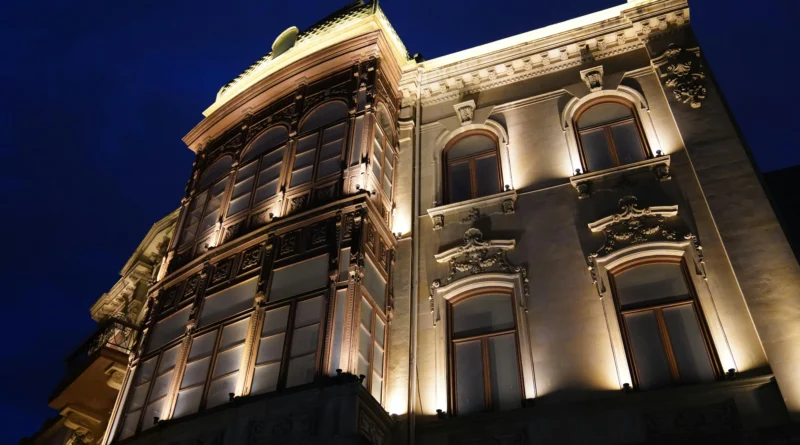
Look at the building shape first. Light should bring out the main lines and surfaces instead of fighting them. Use different layers of light. For example, shine light along stone walls and add small spots on columns. This creates a clear order. A tall office block might use tight beams at street level and softer light higher up. The eye then moves up the front in a natural way.
Energy Efficiency and Sustainability
Good lighting now works with ideas from solar power and battery storage. The choice of inverter and storage units matters for long-term results. The same idea applies to lights. Good power control and smart switches cut waste over many years. LED fittings that draw power from solar panels during the day can keep working at night even if the grid has problems. This also lowers the carbon load.
Control Systems and Dynamic Adjustability
Smart control systems let the lights change on their own. They can react to the time of day, the number of people around, or the weather. These tools work in a similar way to energy software in solar storage. The right supplier affects hardware quality, how well parts fit together, software stability, warranty support, and service response over ten to twenty-five years. Good control keeps brightness and color steady without constant resets.
How Does Light Placement Influence Architectural Expression?
Where you place the lights changes how people read the size and depth of a building. The designer must choose what to show and what to hide through the direction and strength of the light.
Vertical Emphasis Through Uplighting
Light from below makes a building look taller. This works well for public buildings or hotels that want to stand out after dark. The fittings often sit in the ground or blend into garden beds. This keeps glare low and makes it easy to reach them later for checks.
Texture Enhancement With Grazing Techniques
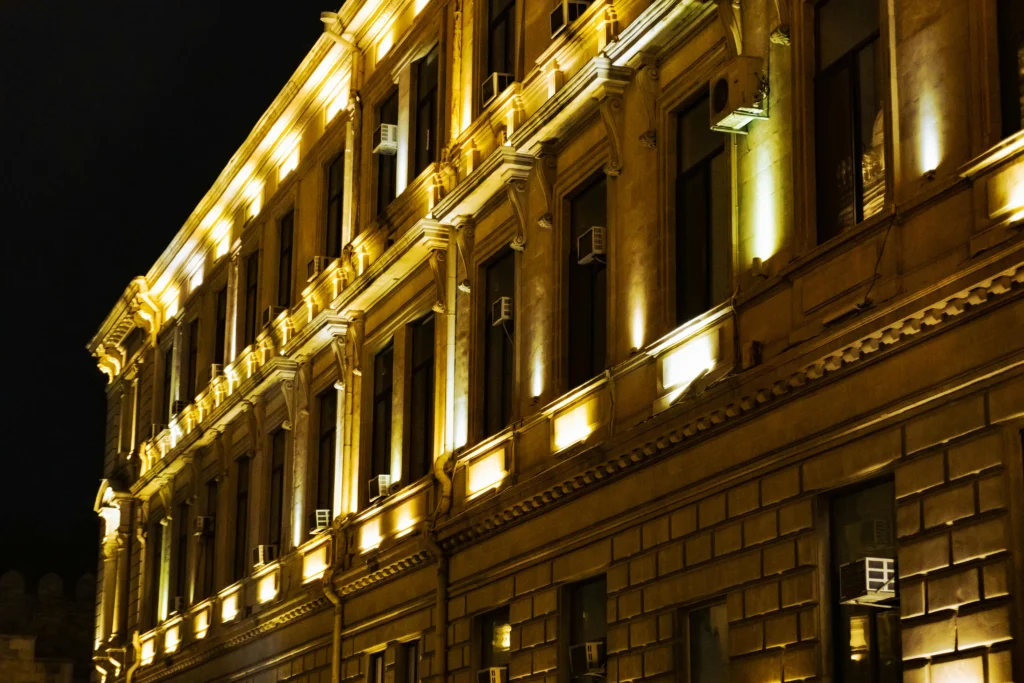
Grazing light sits close to a wall and shines at a low angle. It brings out the small details in brick or concrete. The shadows add depth without making the surface too bright. The same care for exact placement shows up in solar work, where modules must line up with the frame for best results.
Framing Entrances and Functional Zones
Entrances need even light so people can move from inside to outside without strain. Linear fittings hidden along canopies or arches give a soft outline. They mark the space without strong spots of light.
Why Is Energy Management Critical in Facade Lighting Design?
Energy control keeps the lighting plan from hurting running costs or green targets. The link between facade lights and modern storage systems grows stronger as more buildings use mixed power sources.
Integration With Renewable Power Sources
Many projects now tie facade lights to roof solar panels or small inverters. SolaX Power offers a wide range of products that work together. Their line covers inverters, battery storage, commercial energy systems, EV chargers, and heat pumps. One platform handles all of them. This setup lets solar power collected during the day run the lights at night through stored battery power.
Smart Scheduling for Load Balancing
Timed dimming cuts use during busy hours. The system still keeps the look of the building after dark. Better controllers can keep signs bright while they lower other lights when sensors show no one is nearby.
Monitoring Performance Over Time
Cloud dashboards track how the lights perform month after month. This is like the way deep product integration helps long-term reliability in energy systems. For lights it means watching how fast the output drops and how well power is used. Staff can plan repairs before a fault stops the show.
What Role Do Materials Play in Light Reflection and Diffusion?
The surface of a building decides how light behaves. Some materials bounce light back, others soak it up or spread it out. Color and finish also change the final effect.
Reflective Surfaces for Soft Glow Effects
Glass walls work best with light that comes from the side and bounces off nearby panels. This spreads the light without creating hot spots. Metal panels reflect strongly, so the angle must be set with care. Too much bounce can create glare for people on the street.
Matte Finishes for Controlled Contrast
Stone and plaster take in more light. They may need stronger lamps to reach the same brightness. Warm white LEDs between 2700K and 3000K pair well with these surfaces. The result feels softer and more inviting.
Adaptive Optics for Mixed Materials
When glass sits next to terracotta, one light setting rarely works for both. Fixtures with adjustable beams can shape the light for each surface. This is similar to how SolaX’s T-BAT-SYS-HV battery system uses 2.5 kWh and 3.6 kWh modules. The modular design lets owners add capacity as needs grow without replacing the whole unit.
How Can Safety Standards Influence Facade Lighting Projects?
Safety rules cover how high fixtures sit, how wires are protected, how well they resist water, and how bright they can be near walkways.
Electrical Protection Standards
Outdoor lights need at least IP65 rating. This stops dust and water from getting inside. The same rating appears on batteries that include a heating system for cold weather and can be mounted outside. Good sealing keeps parts from rusting and keeps the system safe for many years.
Glare Control Near Public Areas
Too much light near paths can bother drivers or walkers. Shielded optics or small louvers cut stray light while the main design stays intact. Cities often have rules on this, so checking early helps avoid later changes.
Maintenance Accessibility Planning
Easy access for repairs saves money over time. This is like the value of strong after-sales support when choosing energy equipment. Fixtures placed within reach from ladders or small lifts avoid the cost of full scaffolding each season.
How Do Emerging Technologies Shape Future Facade Lighting?
New tools keep changing what a facade can show while cutting power use through automation and better planning.
AI-Based Color Calibration Systems
AI tools now read outside light levels and adjust RGBW colors on their own. They can also match event themes. This works like the predictive load tools used in top inverter systems. The result is steady color without daily manual work.
Integration With Building Management Systems (BMS)
Lighting networks now feed into the same dashboards that run heating, cooling, and security. One screen shows the full picture. This move toward full building intelligence is a natural next step for many sites.
Data Security Considerations
Connected lights collect data from far away. Good encryption stops outsiders from changing displays without permission. The same care for data safety now appears in energy systems that handle live operational numbers.
FAQ
Q1: What Is the Ideal Color Temperature Range for Facade Lighting?
A: Heritage buildings often look best with warm light from 2700K to 3500K. Modern glass fronts can take cooler light above 4000K. The cooler tone keeps the glass looking clean without shifting colors at night.
Q2: How Long Do LED Facade Fixtures Typically Last?
A: Good architectural LEDs can run for 50,000 hours before the light starts to fade. Proper heat control is the key to reaching that number.
Q3: Can Solar Energy Fully Power Large-Scale Facade Lighting?
A: Yes, when the battery size matches the night load. Guides such as TechBullion’s 2026 industry report stress the need for correct capacity planning so the system does not run short on cloudy weeks.
Q4: Are Dynamic Color-Changing Systems Energy Intensive?
A: They use a bit more power than single-color LEDs. Smart timers offset the extra use by turning off unused sections during quiet hours.
Q5: What Maintenance Schedule Is Recommended for Outdoor Luminaires?
A: Clean the lenses once a year. Check the wiring and seals twice a year. This keeps the light output steady and stops rust on brackets before it spreads.