
Is The Slowdown In Furnishings Near Me Signaling A Deeper Retail Shift In Europe
Consumer Caution Weighs on European Home Furnishings Retail as Sales Decline Continues
The European home furnishings market is facing a sustained slowdown as economic pressures and changing consumer habits reshape the sector. Sales are declining across key regions, with inflation, higher interest rates, and cautious spending driving a shift toward affordability and sustainability. Retailers are rethinking pricing strategies, store networks, and digital engagement to adapt. While contraction dominates current trends, niche opportunities in customization, rental models, and smart furnishings hint at future growth potential for those agile enough to evolve.
Shifting Dynamics in the European Furnishings Market
The home furnishings industry across Europe is experiencing one of its most complex transitions in decades. Market contraction is not uniform; it reflects deep structural shifts in how Europeans live, spend, and furnish their homes.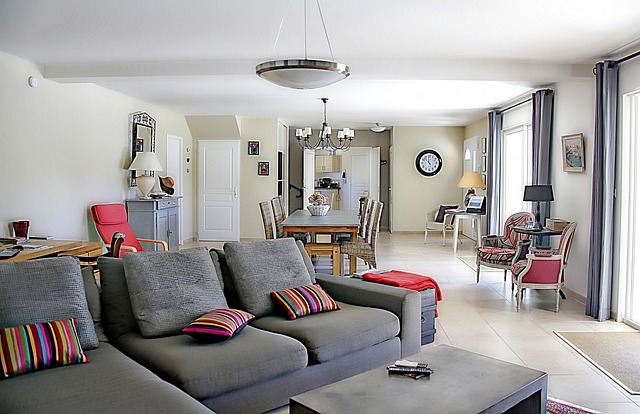
Overview of the Current Slowdown in Home Furnishings
Recent sales data reveal a consistent decline across major European markets. Economic uncertainty has prompted households to delay big-ticket purchases like sofas or dining sets. Rising energy costs and mortgage pressures have reduced discretionary income, leaving retailers struggling to balance pricing with profitability. Many are caught between maintaining brand value and responding to consumers’ growing appetite for discounts and practical designs.
Regional Variations in Market Performance
Regional disparities are evident. Northern and Western Europe—particularly Germany, the Netherlands, and the UK—show slower recovery due to high living costs and sluggish housing activity. Southern Europe, however, benefits from tourism-driven refurbishments and smaller-scale renovations that support localized demand. Urban centers such as Paris or Stockholm have seen sharper declines as housing turnover drops. Interestingly, “furnishings near me” search volumes highlight this fragmentation: suburban consumers increasingly look for local suppliers offering affordable delivery options rather than visiting city showrooms.
Consumer Behavior and Spending Patterns
Consumer caution has become the defining feature of the current cycle. Spending priorities have shifted from aspiration to necessity, with practicality driving purchase decisions more than aesthetics.
The Role of Inflation and Interest Rates on Household Spending
Inflation remains a major constraint on household budgets. Higher interest rates reduce disposable income available for home improvement purchases. Consumers postpone non-essential upgrades or opt for incremental changes such as replacing small décor items instead of entire furniture sets. Compact living spaces in urban areas also influence furniture size preferences—foldable tables, modular sofas, and multifunctional storage units dominate new product lines.
Changing Perceptions of Value Among Consumers
Value perception is evolving beyond price alone. Consumers now weigh durability, sustainability, and after-sales service when choosing brands. Discount retailers attract budget-conscious buyers while second-hand platforms thrive among younger demographics seeking affordability with environmental awareness. Sustainability plays an increasingly central role; recycled wood or low-emission materials often sway purchase decisions more than brand prestige. At the same time, digital engagement—from 3D room planners to online reviews—has largely replaced traditional showroom visits in influencing final choices.
Retail Transformation Amid Market Contraction
Retailers are adapting through digital transformation and operational restructuring to survive shrinking margins and unpredictable demand cycles.
The Digitalization of Furniture Retail Channels
Online platforms have become essential as consumers search for “furnishings near me” alternatives without leaving their homes. Augmented reality tools allow shoppers to visualize products within their own spaces, reducing reliance on physical stores. Omnichannel integration now defines competitive advantage: seamless coordination between online ordering, delivery tracking, returns management, and customer support creates trust even when physical interaction is minimal.
Store Network Optimization Across Europe
Large retail chains are reducing store footprints to control costs while maintaining presence through smaller urban outlets or hybrid pickup points. Boutique retailers focus on experiential showrooms where customers can test materials or attend design consultations rather than browse vast inventories. Meanwhile, warehouse-based fulfillment centers positioned near major cities enable faster deliveries—a critical factor given rising expectations for convenience.
Supply Chain Adjustments and Inventory Strategies
Behind the scenes, supply chain recalibration has become vital as volatility persists across raw material prices and logistics costs.
Managing Costs in a Volatile Economic Environment
Retailers renegotiate supplier contracts frequently to manage fluctuations in timber or metal costs. Inventory reduction strategies minimize overstock risks when consumer demand remains uncertain month-to-month. Local sourcing initiatives gain traction because they shorten lead times and reduce transportation expenses—a pragmatic response both to cost pressures and sustainability goals.
The Impact of Sustainability Regulations on Production and Distribution
The European Union’s environmental regulations are accelerating adoption of recyclable materials and circular economy principles throughout production chains. Manufacturers invest heavily in traceability systems that document material origins to comply with stricter reporting standards under EU directives such as the Corporate Sustainability Reporting Directive (CSRD). Even packaging has become a competitive differentiator; recyclable or minimal packaging appeals strongly to environmentally conscious buyers who associate it with responsible branding.
Emerging Opportunities in the Home Furnishings Sector
Despite overall contraction, new niches are emerging that align with evolving lifestyles and technology adoption patterns.
Growth Potential in Niche Segments and Services
Customization is gaining momentum among urban professionals who prefer furniture tailored to compact spaces or personal tastes. Rental services cater to mobile populations—students or expatriates who move frequently—and offer flexibility without long-term ownership costs. Smart furnishings integrating wireless charging pads or app-controlled lighting illustrate how technology can redefine utility within living spaces.
Strategic Responses from Leading Retailers
To diversify revenue streams, many leading retailers expand into adjacent categories like home décor accessories or lifestyle products that complement core furniture offerings. Collaborations with interior designers strengthen positioning within premium segments where personalized service matters most. Data analytics now guide marketing strategies: localized search trends such as “furnishings near me” reveal micro-demand patterns that inform targeted advertising campaigns at neighborhood levels rather than broad national promotions.
Long-Term Outlook for European Furnishings Retail
The next decade will likely bring structural change rather than cyclical rebound as demographic shifts intersect with digital innovation.
Anticipated Structural Shifts in Consumer Demand
Europe’s aging population will influence product design toward comfort-oriented solutions—ergonomic seating, adjustable beds—and accessible layouts suitable for smaller households. Younger consumers prioritize modularity, sustainability, and affordability over brand loyalty; they value adaptability more than permanence. Hybrid retail ecosystems combining digital convenience with tactile experiences will define competitiveness—showrooms may become interactive hubs supporting e-commerce rather than standalone sales points.
Policy, Economic, and Technological Factors Shaping the Next Phase
Energy efficiency standards could reshape production economics by increasing compliance costs but also stimulating innovation in low-impact materials manufacturing. Continued digital transformation will consolidate market share among technologically advanced players capable of scaling omnichannel operations efficiently across borders. Ultimately, sector stability will depend on how quickly macroeconomic recovery restores consumer confidence—a variable still uncertain amid ongoing geopolitical tensions affecting supply chains across Europe.
FAQ
Q1: Why is the European home furnishings market slowing down?
A: High inflation, increased interest rates, and reduced housing turnover have led consumers to delay discretionary purchases like furniture upgrades.
Q2: Which regions show stronger performance?
A: Southern Europe shows relatively better momentum due to tourism-related refurbishments while Northern markets remain constrained by high living expenses.
Q3: How has digitalization changed consumer buying behavior?
A: Online research now drives most purchase decisions; augmented reality tools let shoppers visualize products before visiting stores or completing transactions online.
Q4: What role does sustainability play today?
A: Sustainability influences both production methods—through recyclable materials—and consumer choice as eco-conscious buyers favor brands aligned with environmental goals.
Q5: What opportunities exist despite declining sales?
A: Growth areas include custom-made designs for small spaces, rental furniture models targeting mobile residents, and smart furnishings integrated with home technology systems.